Indigenous Peoples of Sonora: Culture, History, and Identity

Indigenous Peoples of Sonora: Culture, History, and Identity
One of the most meaningful and rewarding aspects of developing ExploreSonora.com has been the opportunity to learn about and share the cultures, traditions, history, and communities of the indigenous peoples of Sonora.

While many travel websites focus primarily on destinations, hotels, restaurants, and attractions, Sonora’s indigenous cultures represent something deeper and far more enduring: the living cultural foundation of the region itself.

Over the years, Explore Sonora has developed a growing collection of pages and cultural features focused on the indigenous peoples of Sonora, with pages that feature the state’s eight recognized indigenous groups: the Yoeme Yaqui, Yoreme Mayo, Comcáac Seri, Tohono O’odham, Guarijío Makurawe, Pima, Cucapá, and Kikapú.

These pages have become some of the most visited and widely searched content on the website, demonstrating a strong interest in the people, traditions, history, language, art, and cultural identity of Sonora’s indigenous communities.

More Than History

One of the most important things I have learned while traveling throughout Sonora is that indigenous cultures are not simply part of the region’s past. They remain an important and living part of Sonora today.

Their influence can be seen throughout the state in traditions, food, art, craftsmanship, language, ceremonies, music, regional identity, and community life. Learning about these cultures adds depth and meaning to their understanding of Sonora itself.

Personal Appreciation

I have always been drawn to indigenous cultures and the deep sense of history, identity, spirituality, and connection to place that they represent.

Traveling throughout Sonora has provided opportunities not only to visit beautiful destinations, but also to better appreciate the cultural richness and diversity that make the region so fascinating.

That appreciation continues to shape the long-term direction of Explore Sonora.

Looking Ahead

As Explore Sonora continues to grow, I hope to further expand respectful cultural and historical coverage related to the indigenous peoples of Sonora through additional cultural features, historical information, regional traditions, images, artisan and craft highlights, festivals and ceremonies, and educational travel content.

The goal goes beyond tourism to understanding and appreciation. Because one of the best ways to truly experience Sonora is to understand the cultures and communities that have shaped the region for generations.

Explore the Indigenous Peoples of Sonora

Explore Sonora’s Indigenous Peoples section here.

Thank you for helping support the continued growth of ExploreSonora.com and its efforts to share the history, culture, and beauty of Sonora with readers around the world.

— Bruce Waldon
Founder, ExploreSonora.com
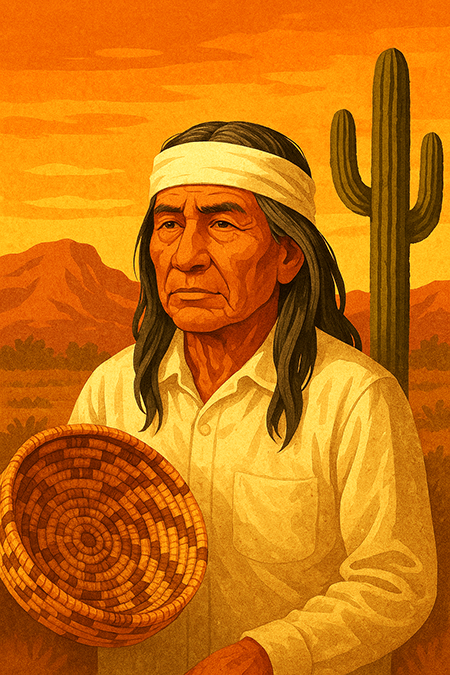
Tribute to the Tohono O'odham
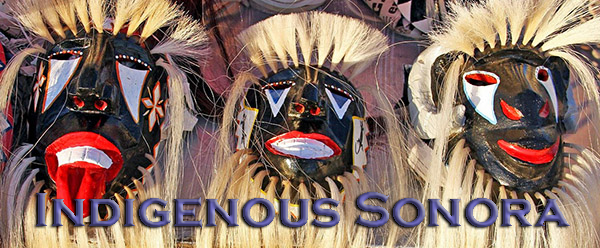
Indigenous Sonora
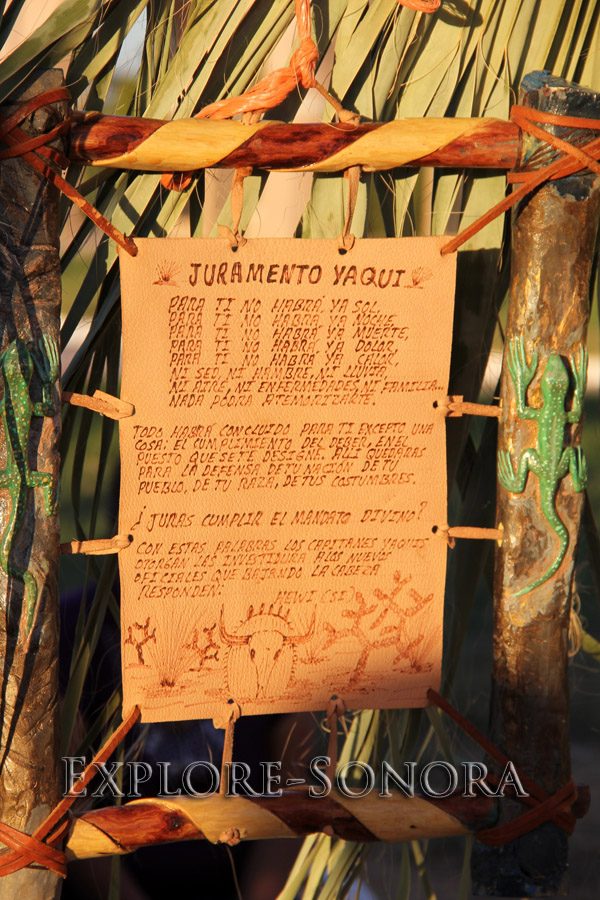
indigenous peoples of sonora, mexico - yaqui

June 24 – Feast Day of John the Baptist in Sonora

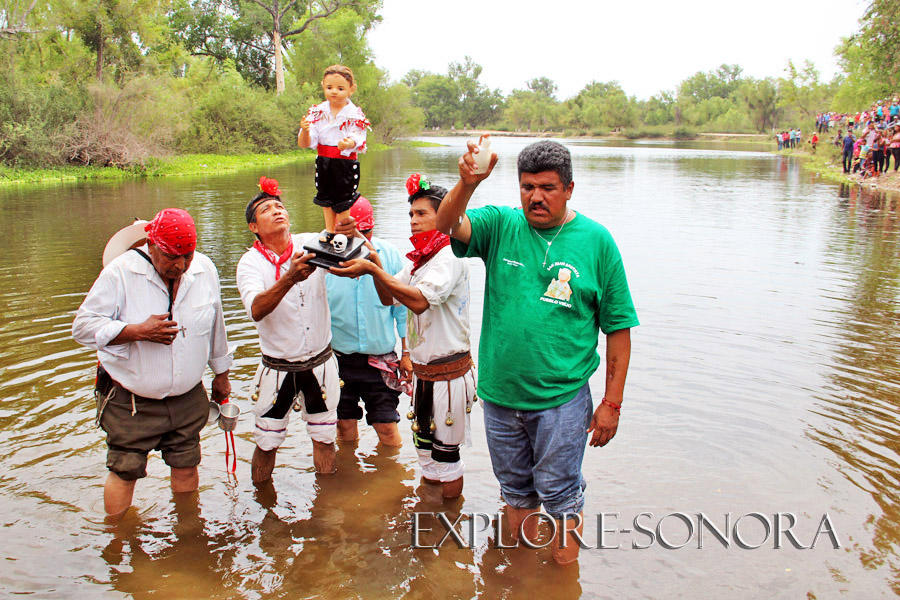
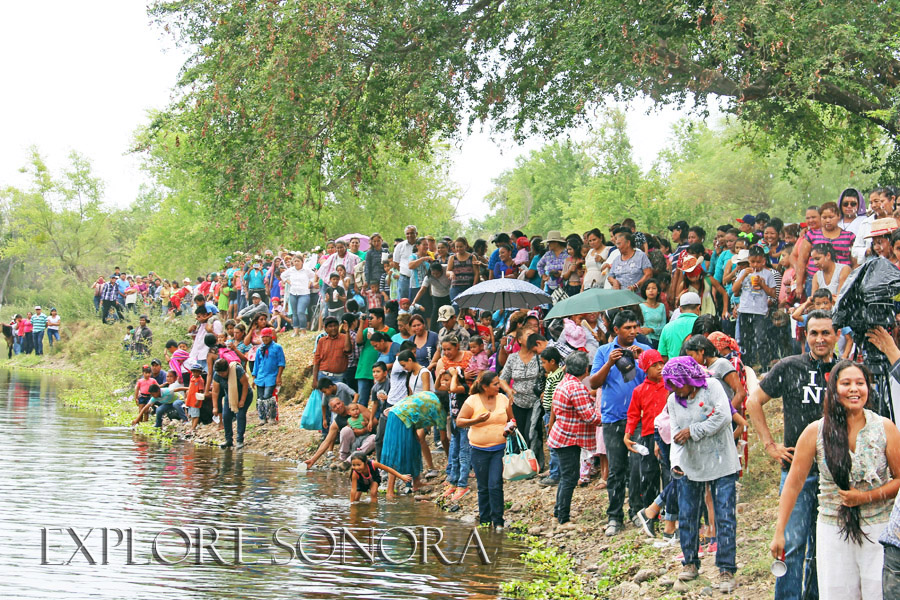
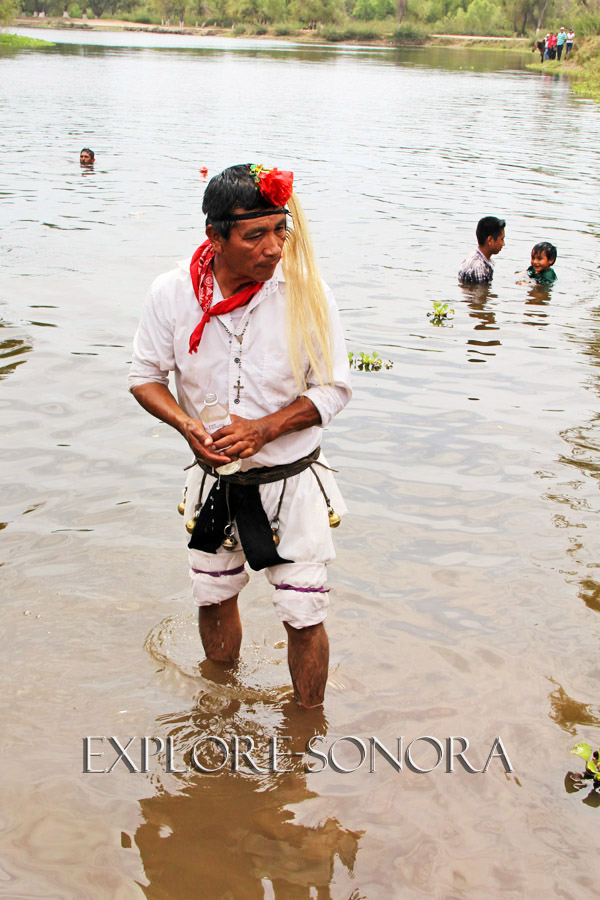
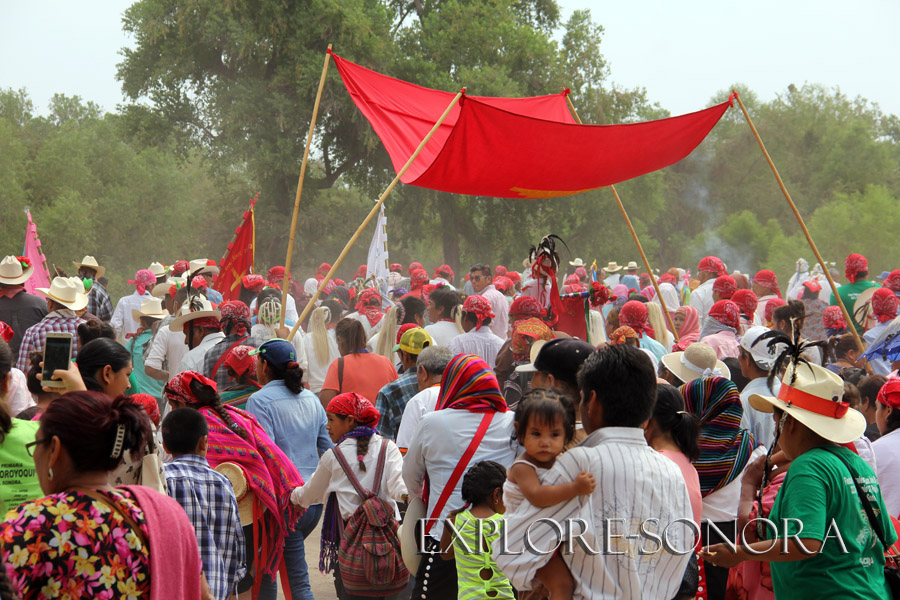
Taking St John the Baptist to the River Mayo in Navojoa, Sonora on June 24

Celebrations of the Nativity of Saint John the Baptist

June 24 is the Nativity of Saint John the Baptist, a major liturgical day in the Catholic, Anglican and Lutheran churches, and a feast day with great religious and cultural significance in Sonora.

San Juan Bautista is one of the most revered saints, as the prophet who foretold the coming of the Messiah in the form of Jesus Christ, and who baptized Jesus in the River Jordan.

Where the feast days of saints usually celebrate the day of their death (and birth into the afterlife), the nativity of Saint John the Baptist commemorates his birth, six months before the birth of Christ.

The date is linked to two other major days on the liturgical calendar. It is three months after the annunciation, when the Angel Gabriel informed Mary that she would conceive Jesus, and six months before Christmas.

Saint John also has a feast day on August 29 to commemorate his beheading, around the year A.D 28.

Global Celebrations in Honor of Saint John

The nativity of Saint John is observed in different ways in different regions of the world.

Europeans light fires on the eve of the nativity and believe that herbs picked on the eve of June 24 have special healing powers, and hidden treasures sit exposed in open places. Some Scandinavian and Slavic countries have ancient beliefs that witches and demons are allowed to roam the earth of the eve of the nativity.

Observances of Día de San Juan in Sonora

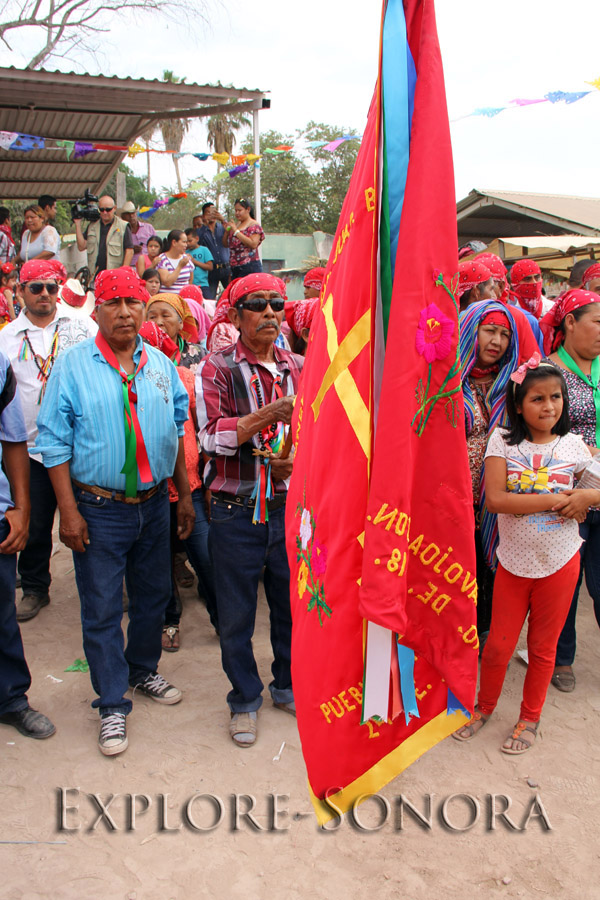
In Sonora, the feast day of St John is revered among the native peoples of the region, especially the indigenous Yoeme Yaqui and Yoreme Mayo.

Instead of fire, the day is celebrated with water, perhaps because Saint John is the patron saint of baptism and the date comes at a time when seasonal summer rains typically begin in this hot, dry desert region. A common belief is that any rains on June 24 will be holy water.

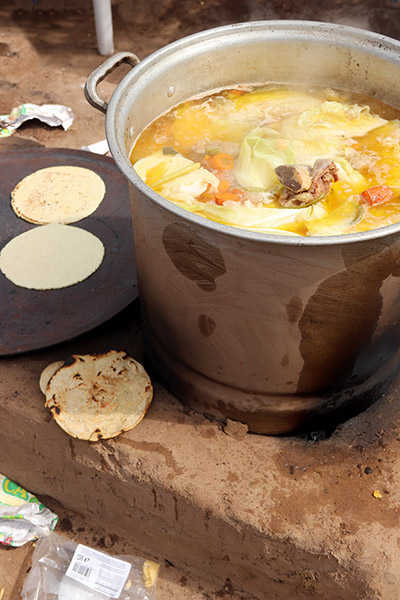
Celebrations typically begin on the eve of the nativity of St John and continue through the night. The day of the 24th is celebrated with religious services, processions, dance and other activities. Most involve lots of water, where participants get wet through sprinkling, throwing water or otherwise getting soaked with water.

Festivities in Pueblo Viejo, Navojoa, Sonora

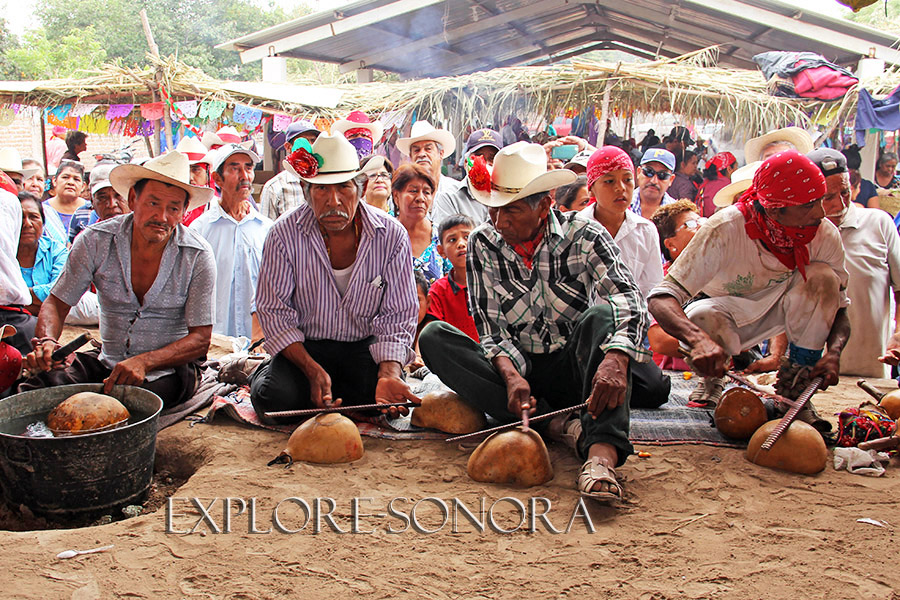
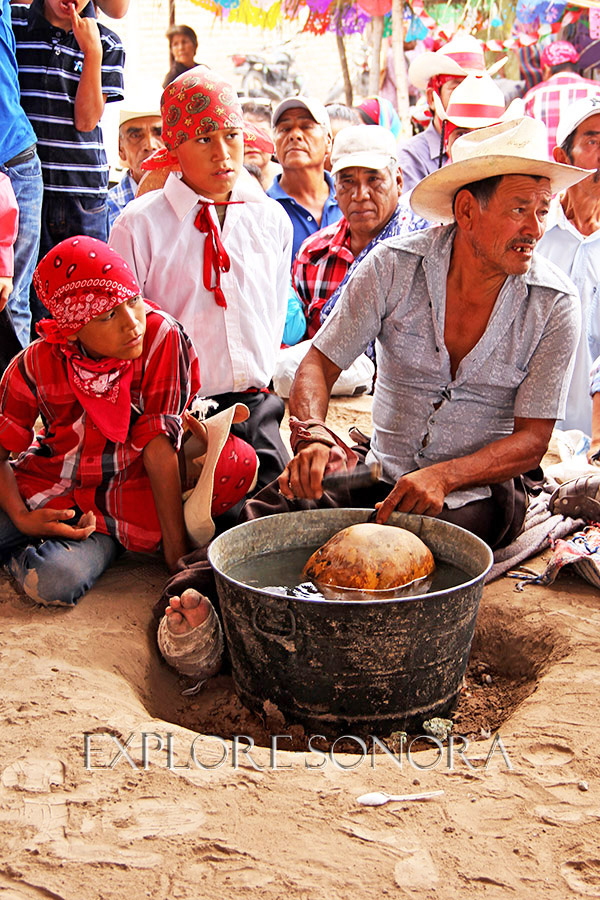
In the Yoreme Mayo pueblo of Pueblo Viejo, Navojoa, observances of this special day begin on the 22nd with a traditional canariom ceremony,
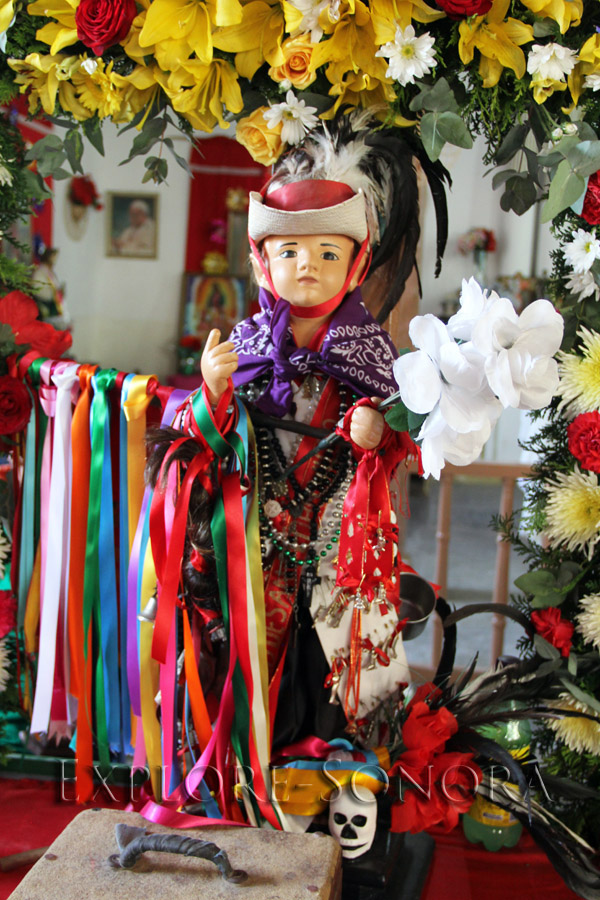
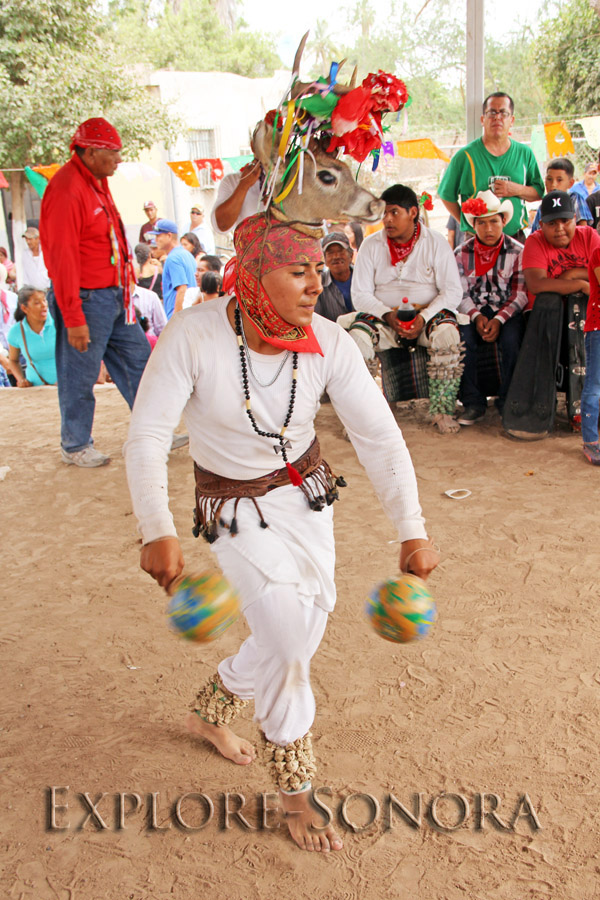
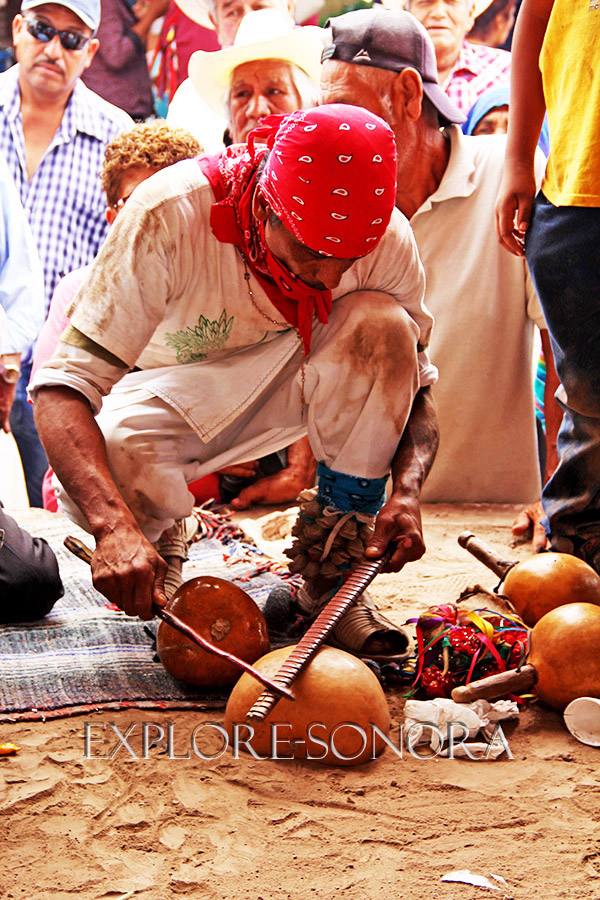
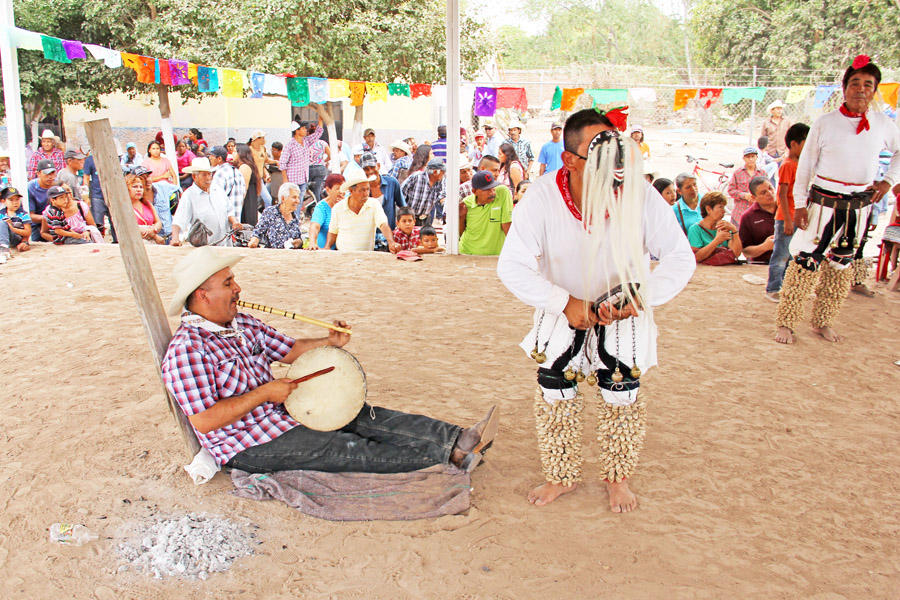
Starting on the eve of the Dia de San Juan, traditional paskola, matachin and deer dancers perform with musicians through the night at a gathering in the pueblo’s ramada area.
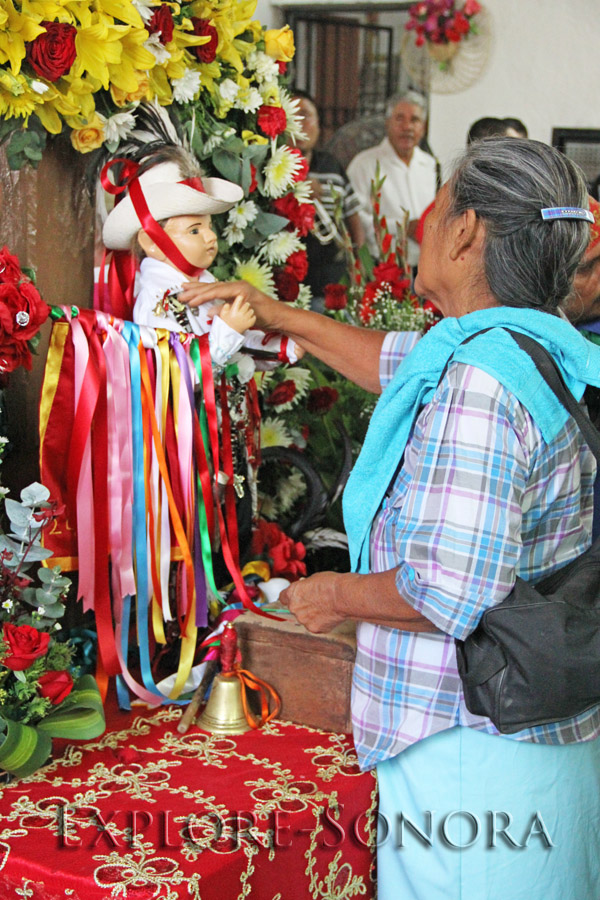
On the morning of June 24, a procession takes the image of Saint John to the River Mayo, led by matachin dancers, paskolas and deer dancers.

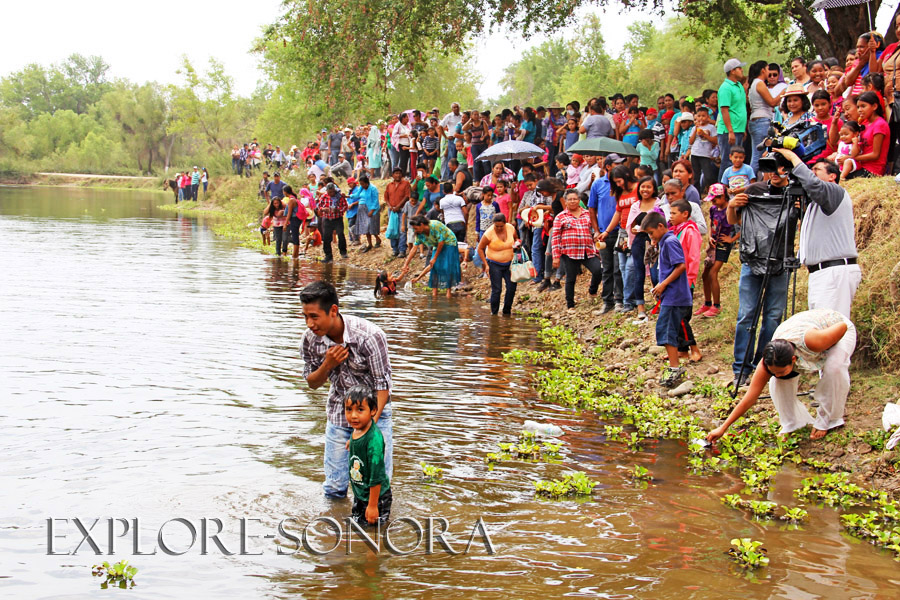
Saint John is then taken in to the river, where the saintly image is bathed. It is a ritual that the faithful believe also blesses the river’s water, making it holy water. Participants on the banks of the River Mayo enter the water and splash each other and collect samples of the holy water.

Celebrating Dia de San Juan Bautista in the Mayo River - Navojoa, Sonora, Mexico
Instagram for Explore-Sonora
Celebrating Dia de San Juan Bautista in the Mayo River - Navojoa, Sonora, Mexico

Centro de Cultura Blas Mazo

Centro de Cultura Blas Mazo

El Júpare, Sonora, Mexico
Centro de Cultura Mayo Blas Mazo - El Júpare, Sonora

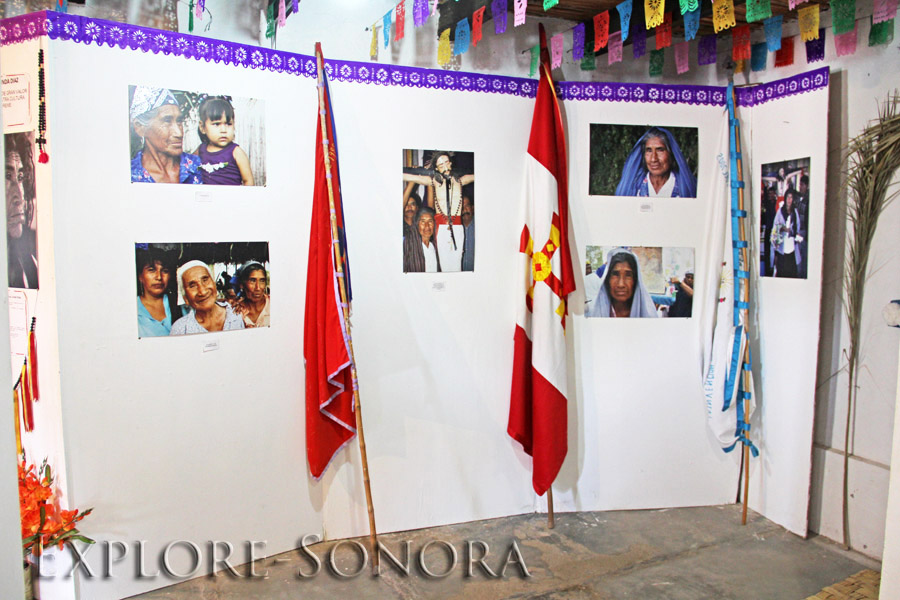
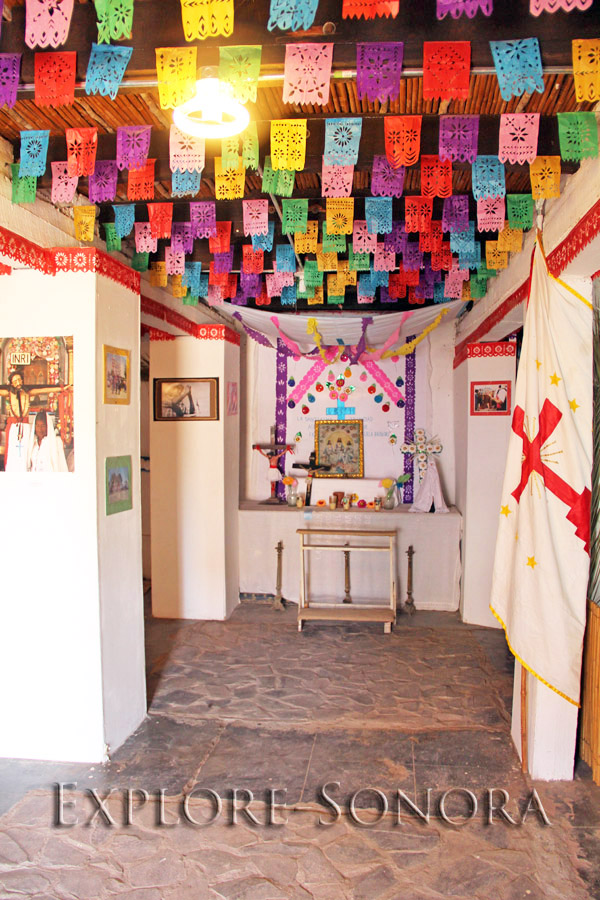
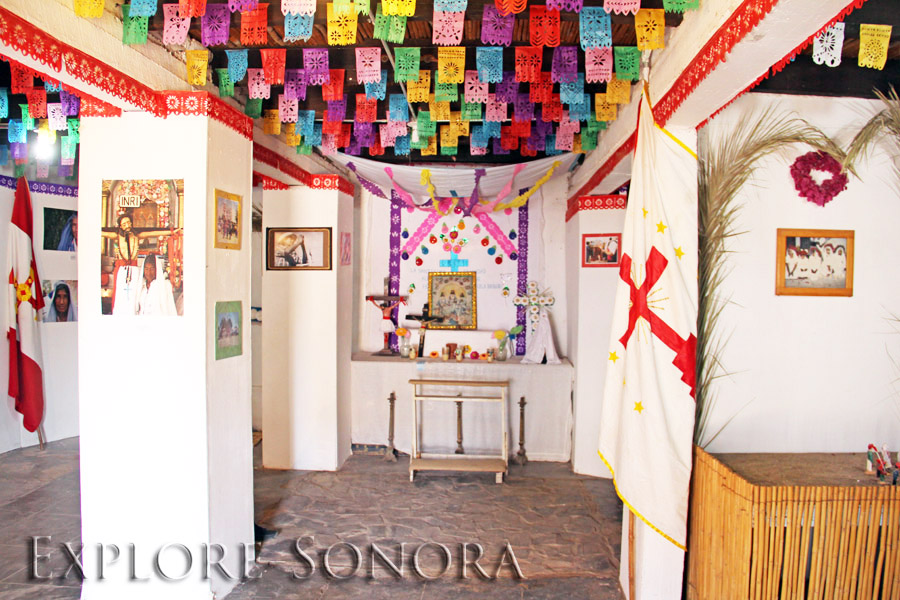
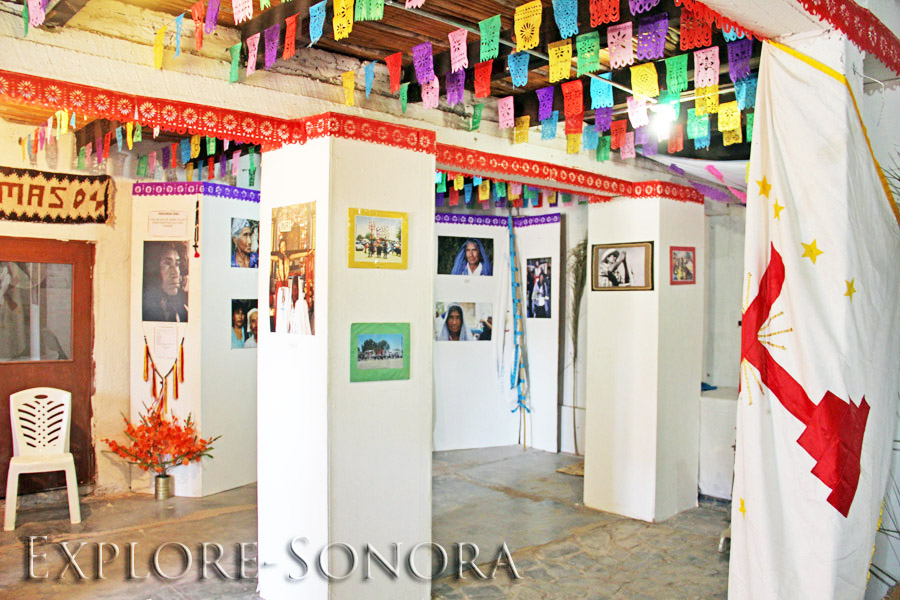
El Centro Cultural Blas Mazo en El Júpare, Sonora, es un centro cultural comunitario que presenta exposiciones relacionadas con la cultura y la identidad étnica del Yoreme Mayo.

El Centro Cultural también patrocina eventos y actividades para compartir y fortalecer las tradiciones y cultura de mayo, incluyendo presentaciones de danza y música tradicional, lengua maya nativa, muestras gastronómicas, presentaciones de libros y montajes.

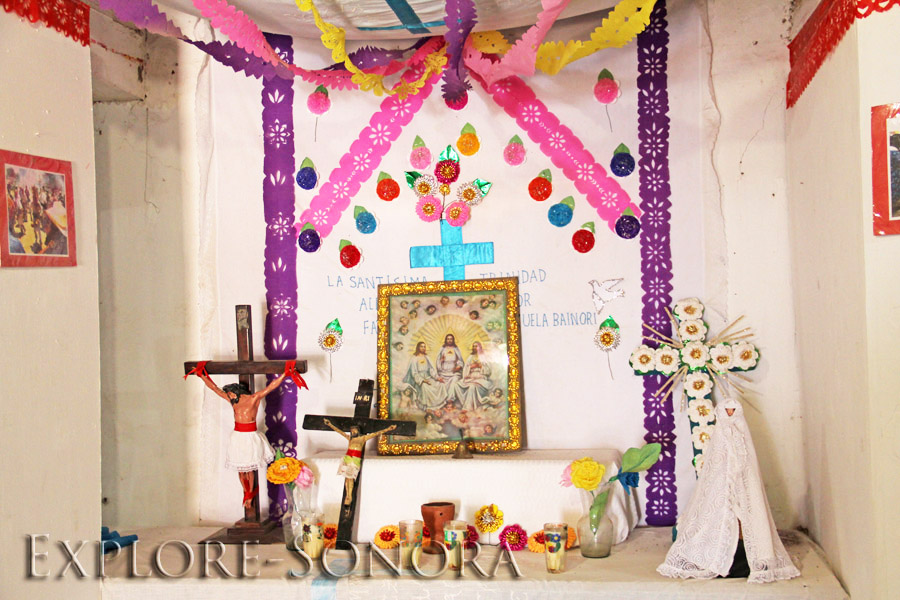
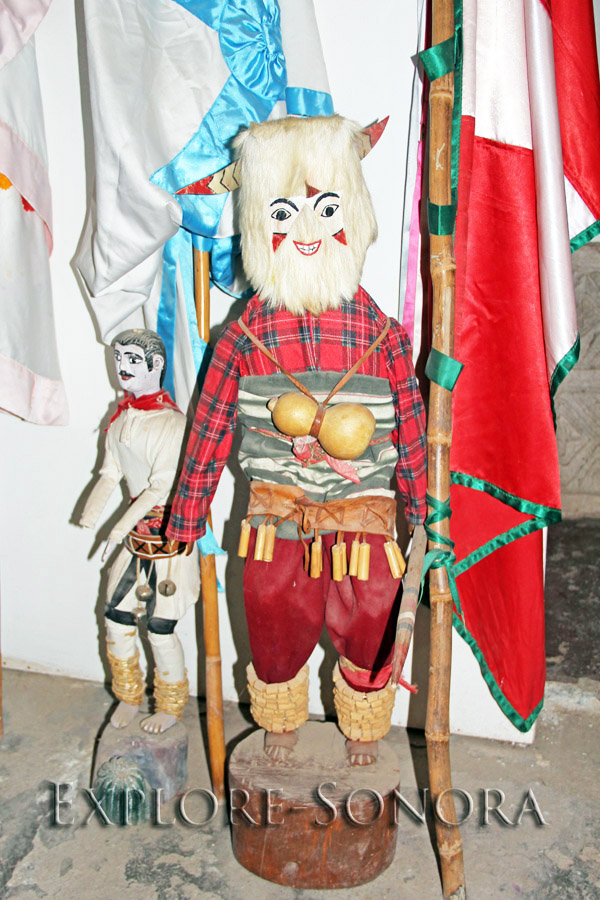
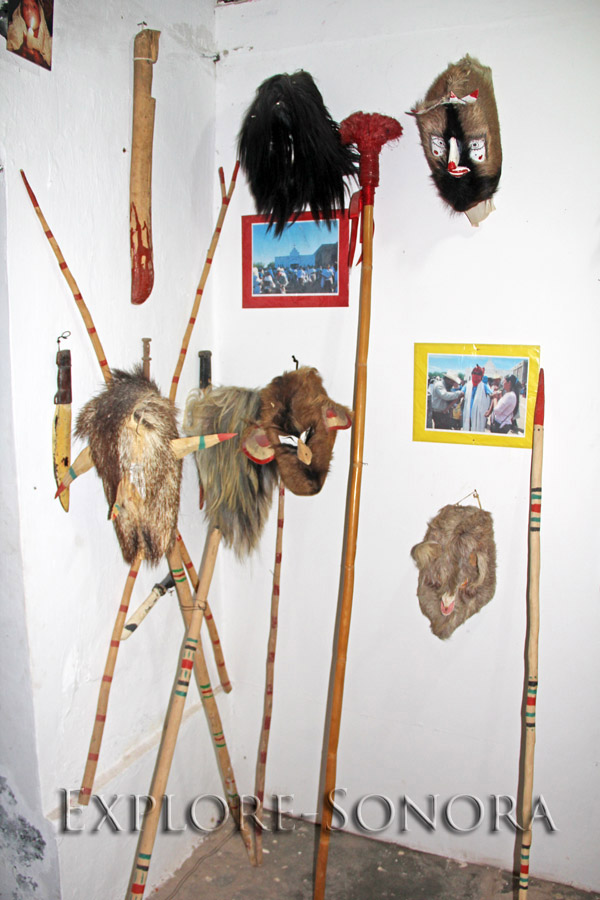
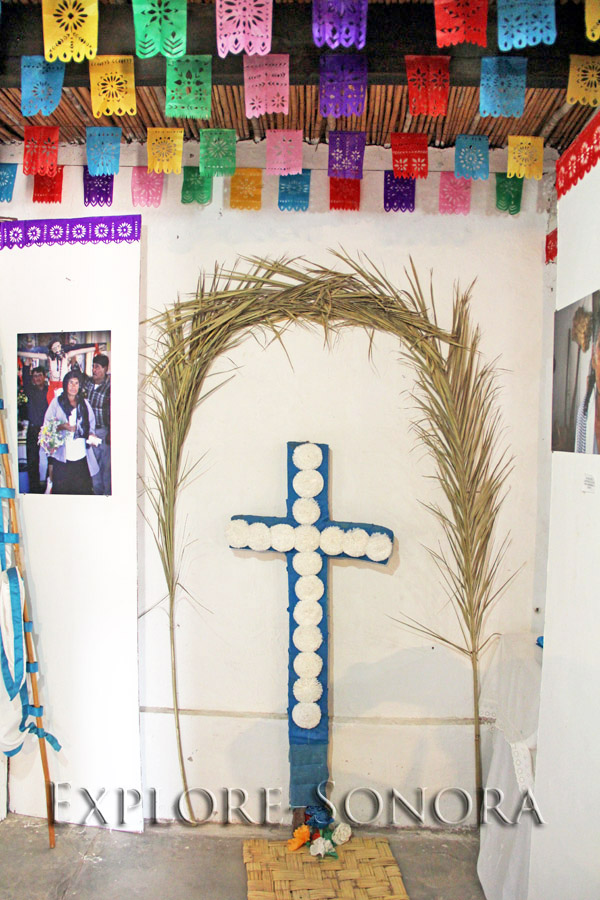
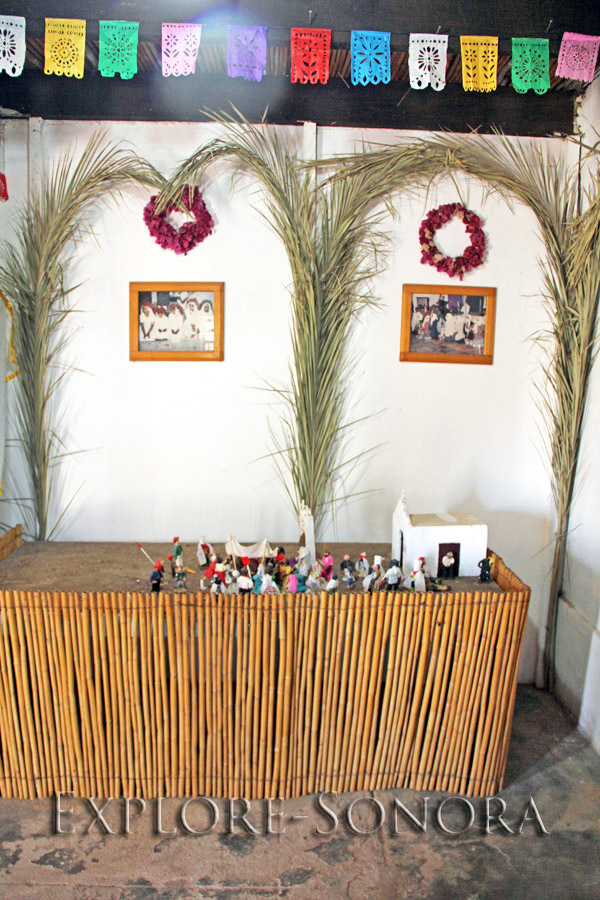
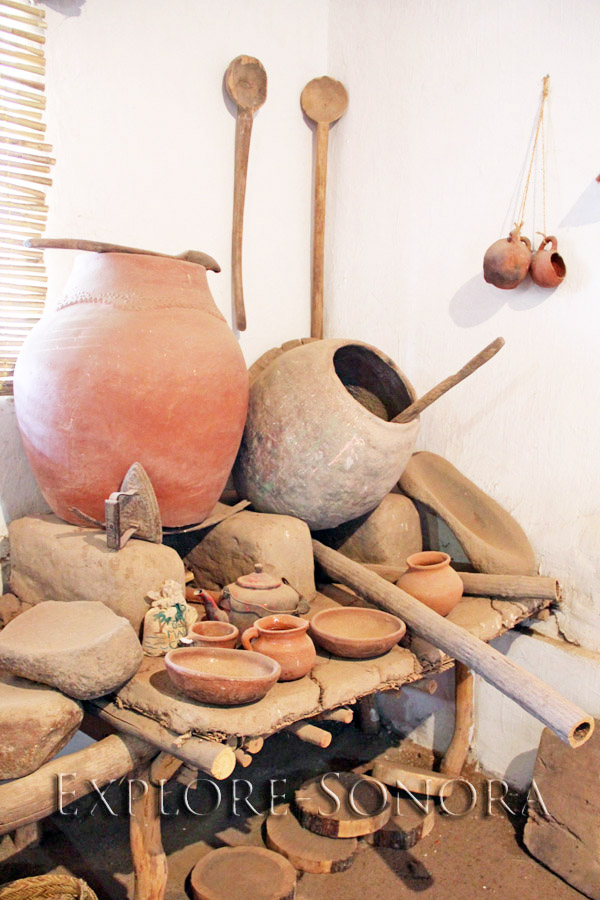
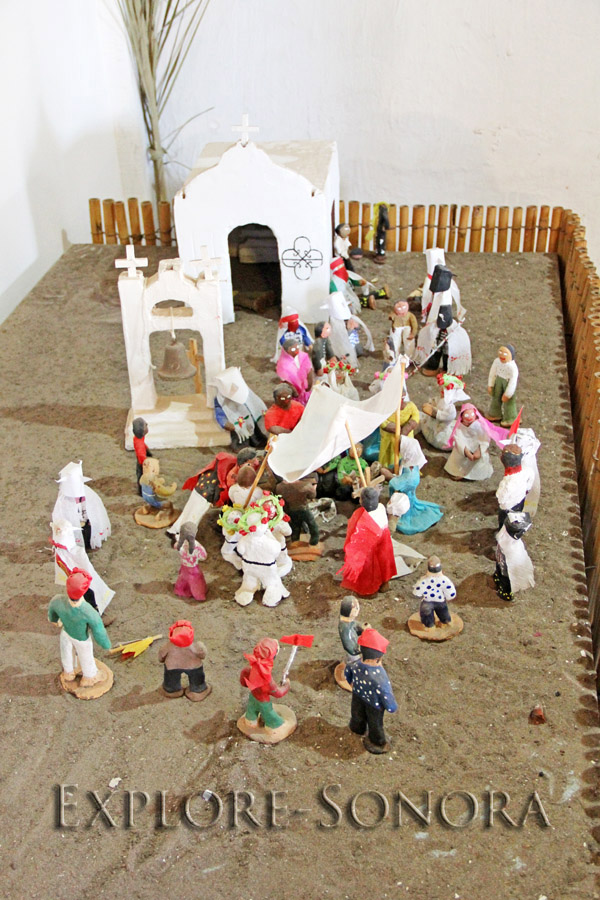
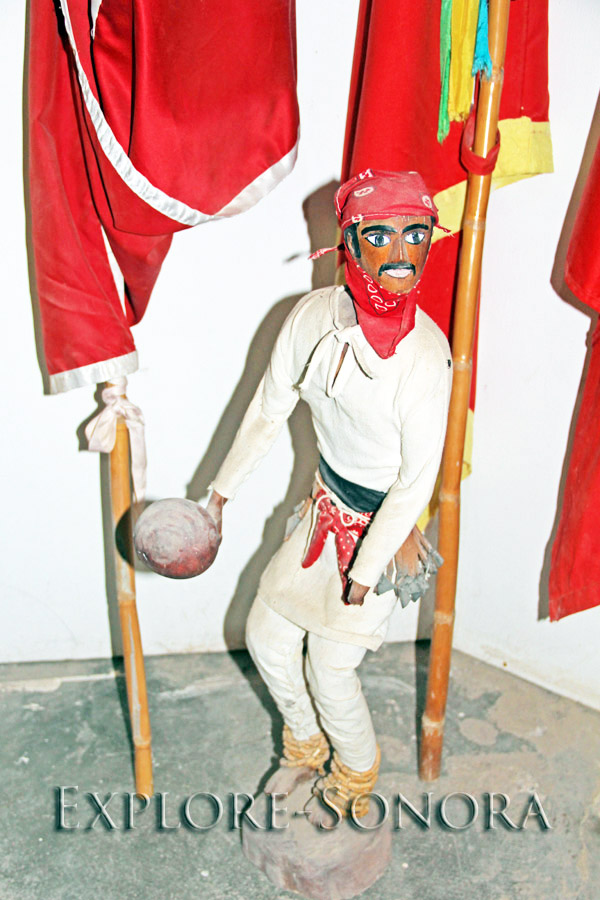
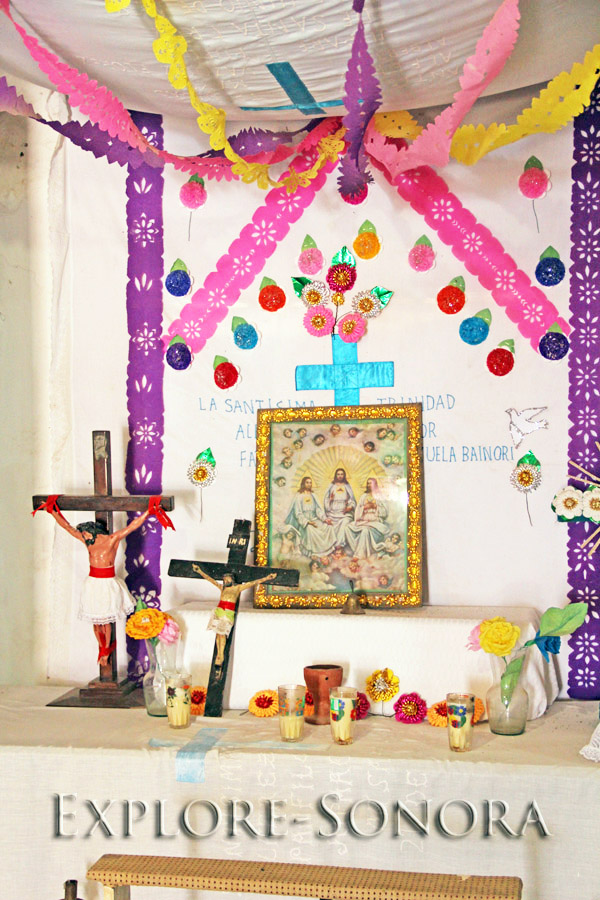
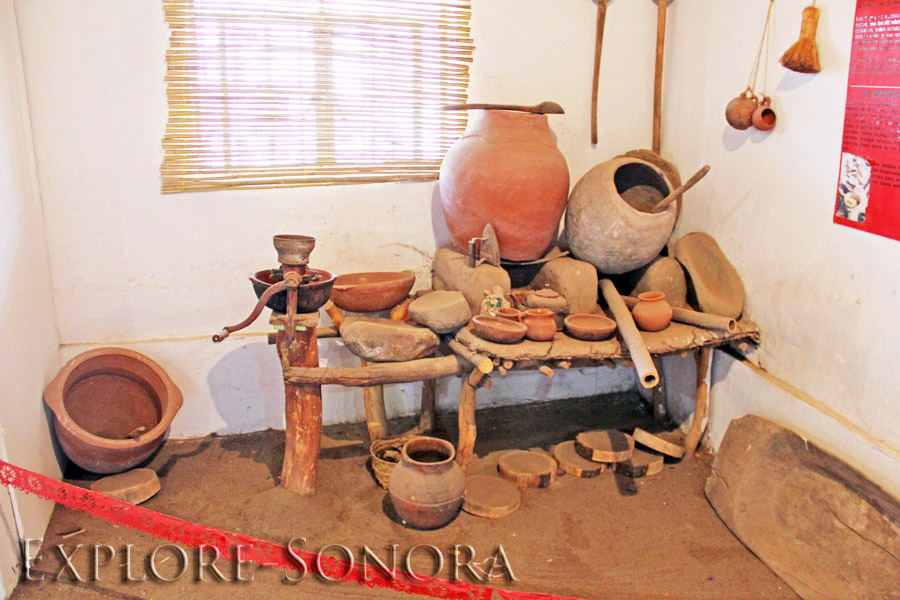
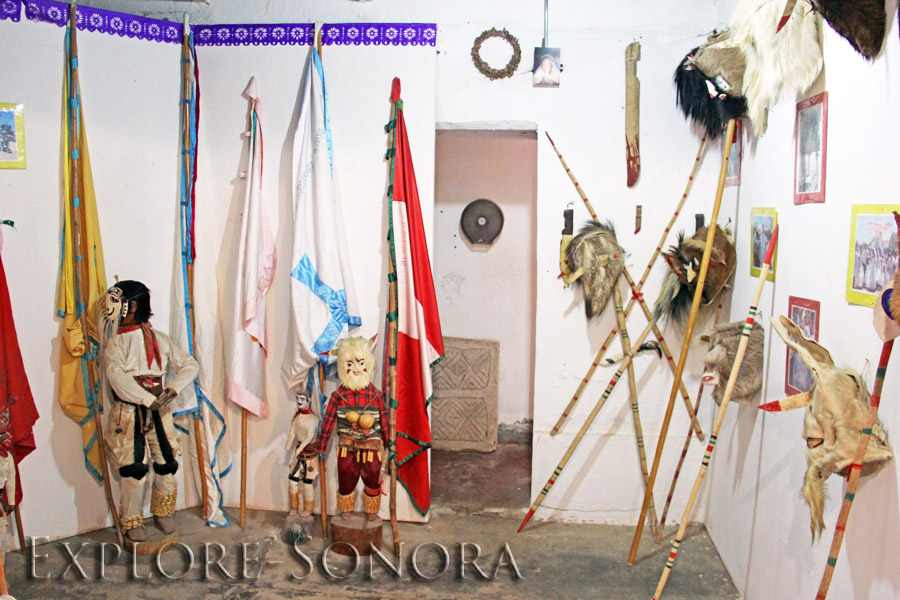
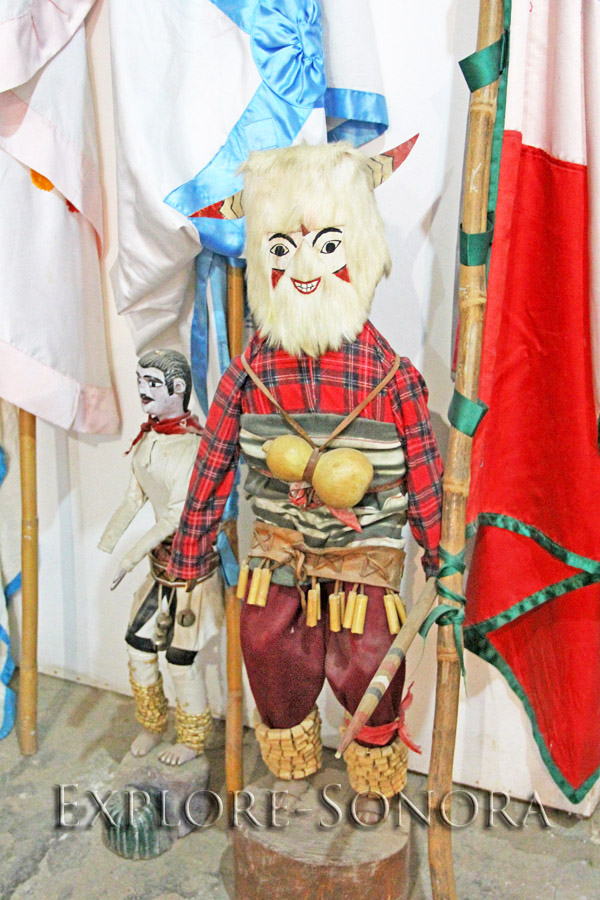
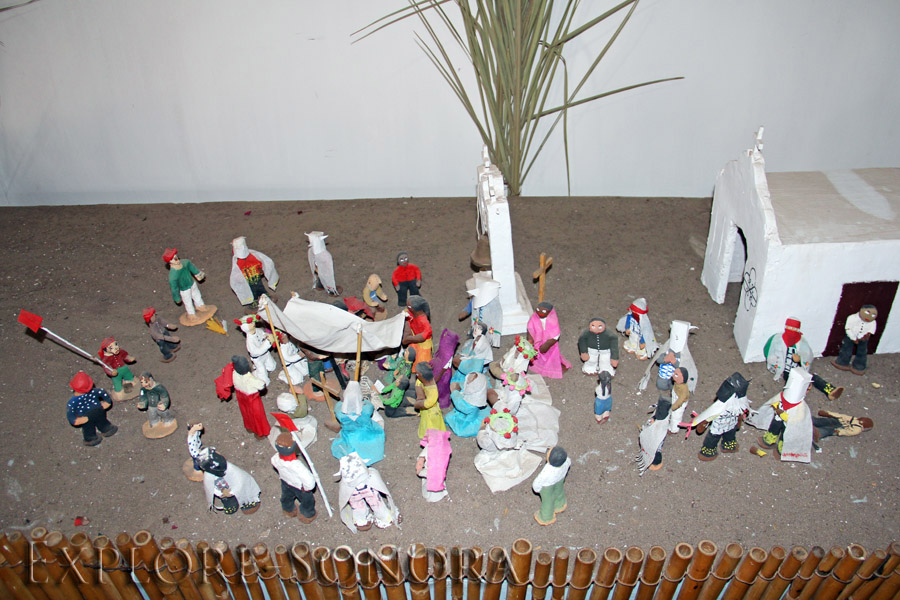
Las exhibiciones estáticas incluyen los artículos como cerámica tradicional; Elementos de un altar de la iglesia; Muñecas que representan bailarines tradicionales; Artefactos ceremoniales de fiestas tradicionales, como banderas, máscaras y machetes; Y una representación en miniatura de un festival religioso frente a una iglesia indígena tradicional.

El Centro Cultural está ubicado detrás de la iglesia indígena en El Júpare. Consulta el mapa de Google para obtener más información sobre la ubicación.

Centro de Cultura Mayo Blas Mazo - El Júpare, Sonora

Centro de Cultura Mayo Blas Mazo

El Júpare, Huatabampo
Sonora, Mexico 85900
Correo electrónico

Centro de Cultura Mayo Blas Mazo - El Júpare, Sonora

Blas Mazo Mayo Cultural Center

Centro de Cultura Mayo Blas Mazo - El Júpare, Sonora

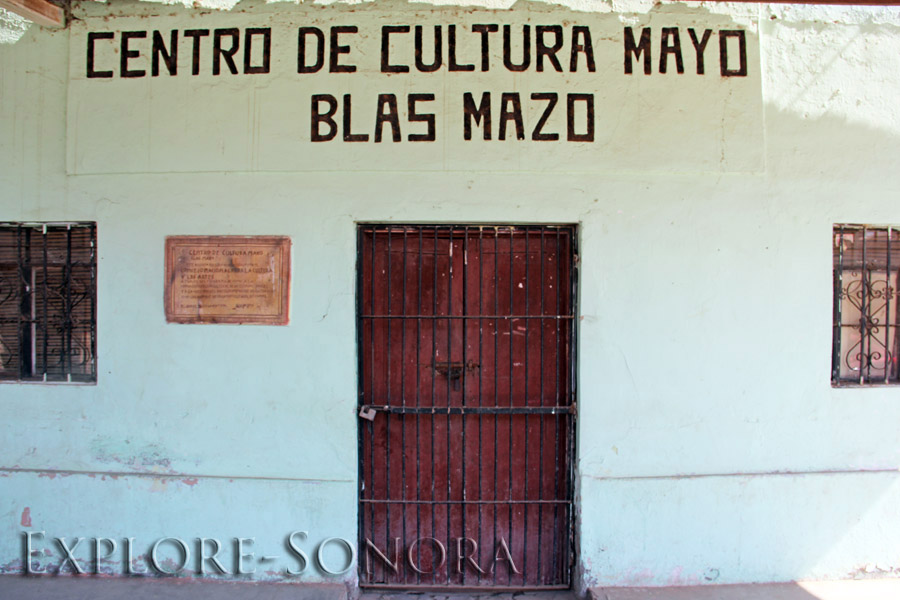
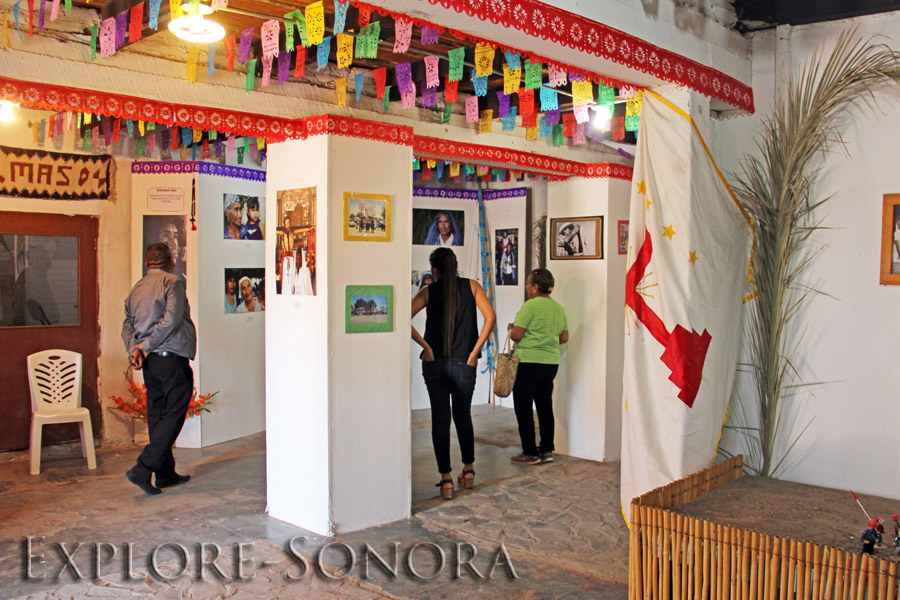
The Centro de Cultura Blas Mazo in El Júpare, Sonora, is a community cultural center that features displays related to the culture and ethnic identity of the Yoreme Mayo.

The Centro Cultural also sponsors events and activities to share and strengthen Mayo traditions and culture, to include presentations of traditional dance and music, the native Mayo language, cuisine, book presentations and assemblies.

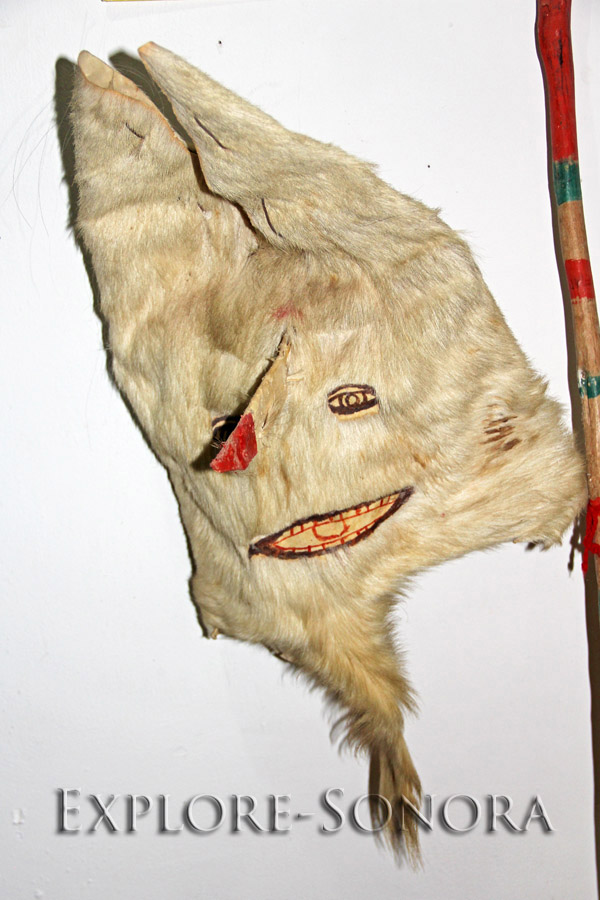
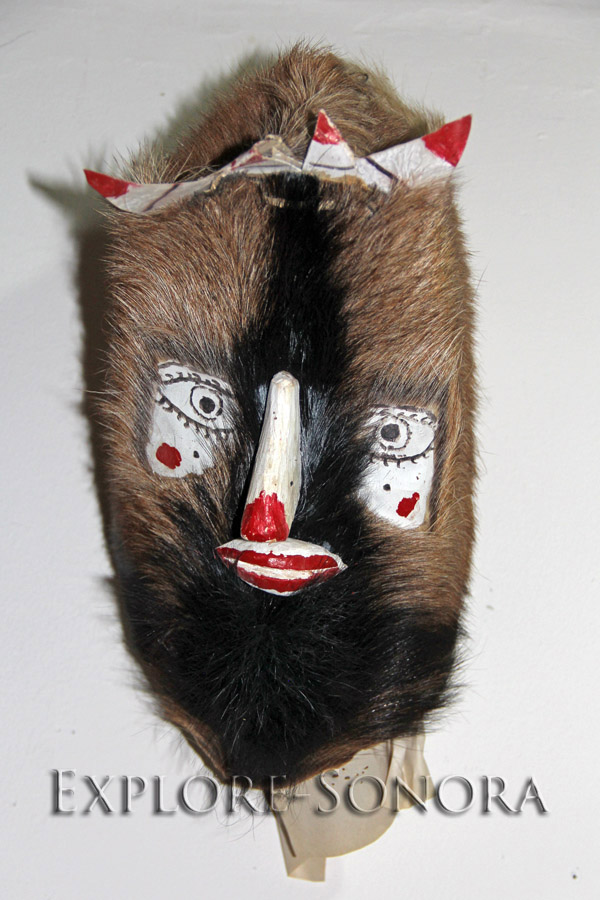
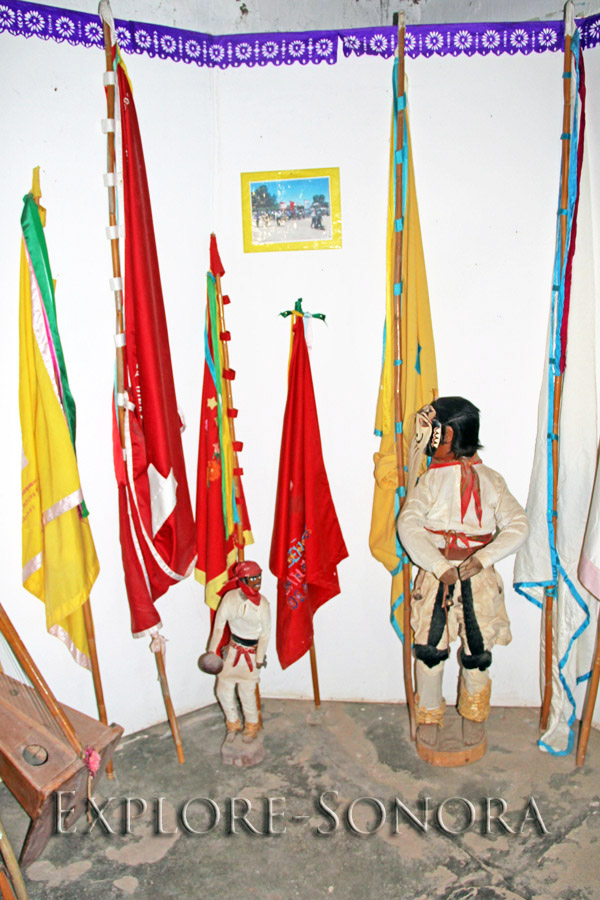
Static displays include items like traditional pottery; elements of a church altar; dolls that represent traditional dancers; ceremonial artifacts from traditional fiestas, like banners, masks and machetes; and a miniature depiction of a religious festival in front of a traditional indigenous church.

The Cultural Center is located behind the indigenous church in El Júpare. See the Google map for more location information.

Centro de Cultura Mayo Blas Mazo - El Júpare, Sonora
Facebook logo
Centro de Cultura Mayo Blas Mazo - El Júpare, Sonora

Centro de Cultura Mayo Blas Mazo

El Júpare, Huatabampo
Sonora, Mexico 85900
Email

Centro de Cultura Mayo Blas Mazo - El Júpare, Sonora