Springtime in Sonora

Springtime in Sonora
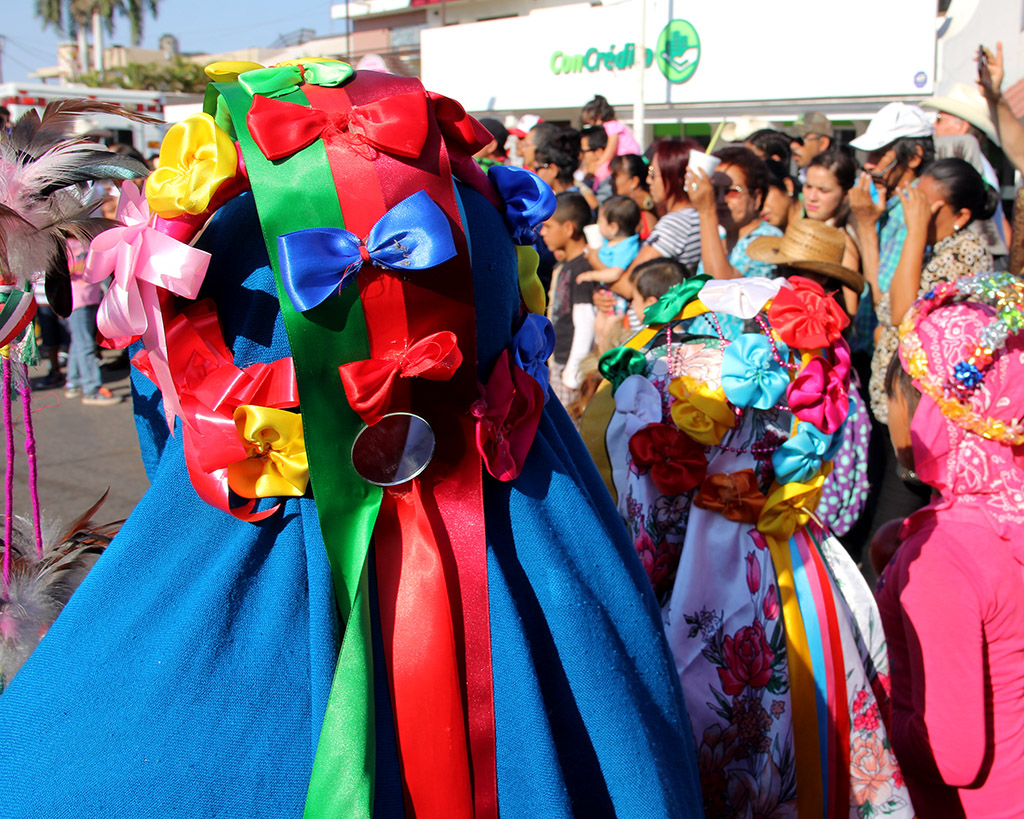
Desert Light, Coastal Festivals, and Living Tradition

In Sonora, the first signs of spring arrive long before the calendar says they should. The evenings soften, the light turns golden, and the rhythm of daily life begins to shift from winter stillness into one of the most culturally meaningful seasons of the year.

This is the time when Sonora transitions from Carnaval celebrations into the more reflective period of Lent. In Yaqui and Mayo communities, the season carries an even deeper meaning, as traditional ceremonies and processions begin to unfold week by week, building toward Semana Santa. These observances are not performances. They are living expressions of faith, identity, and continuity that have endured for generations.

For travelers, March and early spring are one of the best times to experience Sonora with fresh eyes. Historic pueblos, coastal towns, markets, and mountain scenery, all set against the backdrop of a season that feels both festive and sacred.

In Sonora, spring is more than a change in weather. It’s a change in spirit.

Check our Sonora Events page to find a springtime event. 
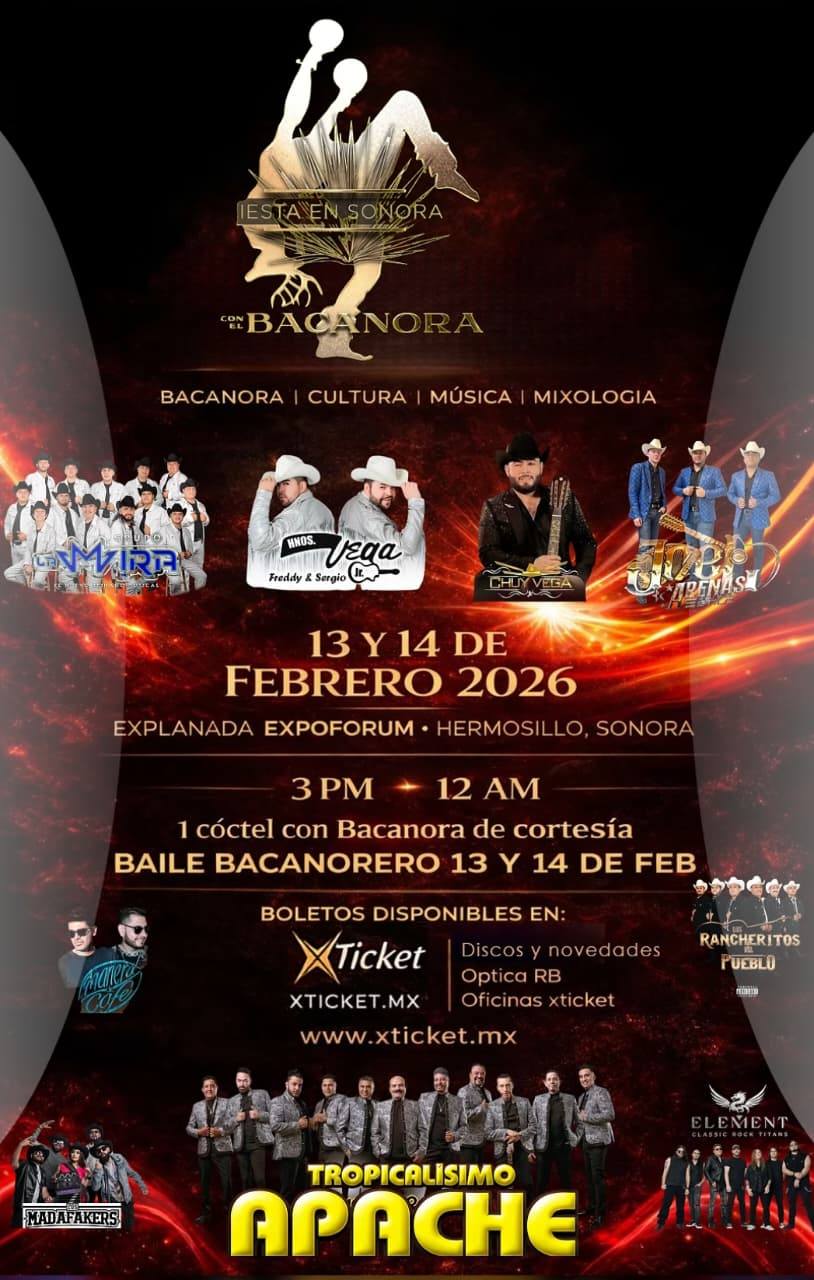
Fiesta de Bacanora Feb 2026

Books

 Books


The Explore Sonora Books Gift Collection is dedicated to readers who want to understand Sonora beyond the headlines.

Here you’ll find curated titles on Sonora’s history, geography, Indigenous cultures, borderlands identity, wildlife, food traditions, spirituality, and social history.

These books are ideal for travelers, educators, students, historians, and anyone intrigued by the powerful story of Northern Mexico.

From academic research to personal memoirs and photographic journeys, each book opens a new door into Sonora’s rich and complex narrative.

Read Sonora. Understand its past. Walk its future.

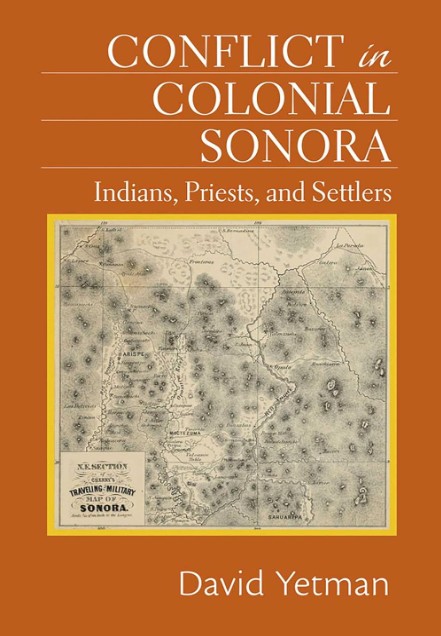
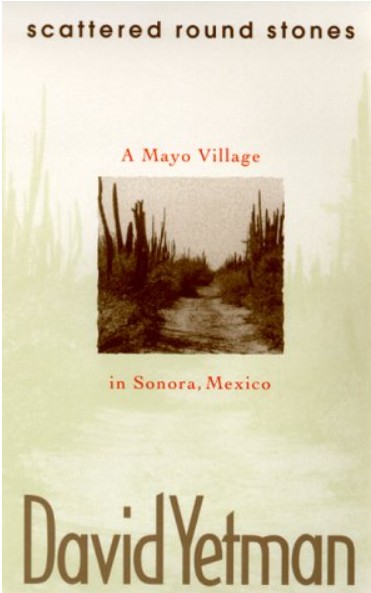
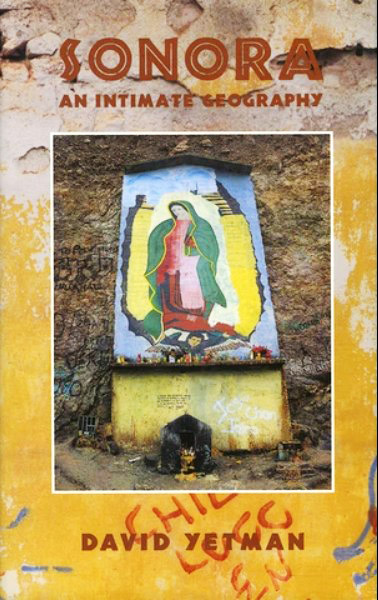
David Yetman

Conflict in Colonial Sonora - Yetman
Scattered Round Stones - Yetman
Sonora an Intimate Geography
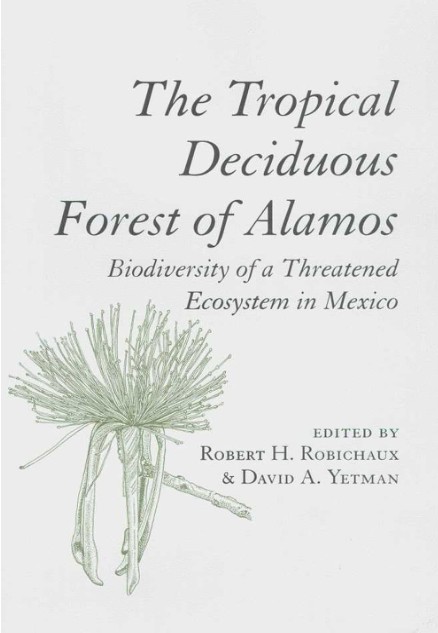
The Tropical Decidious Forest of Mexico

Read more

Read more

Read more

Read more

Powerful, Indigenous, and Natural

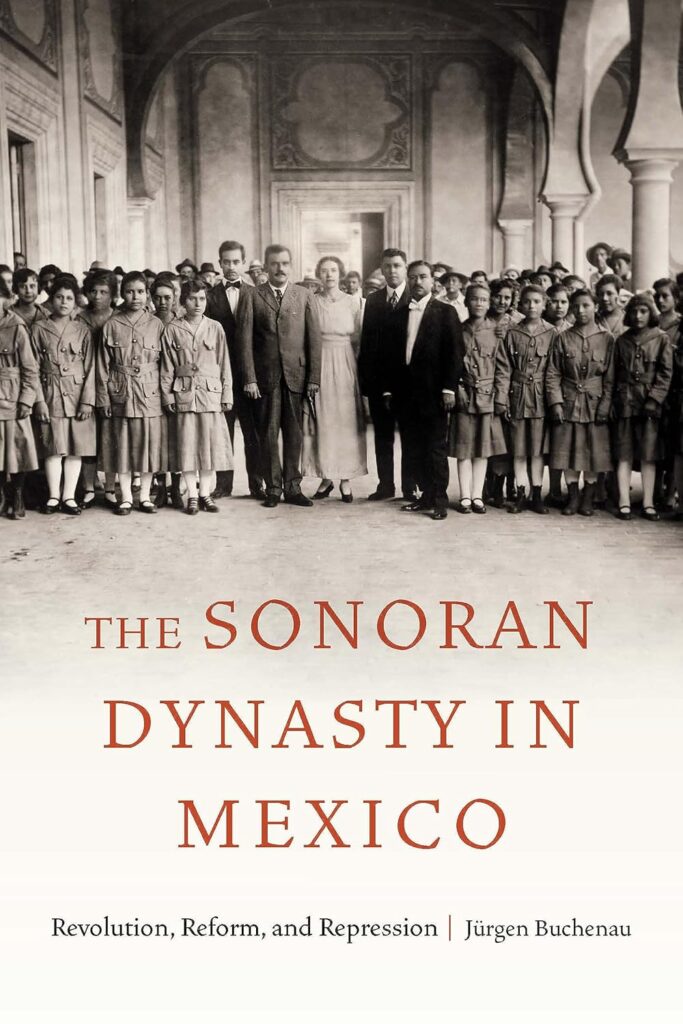
The Sonoran Dynasty in Mexico
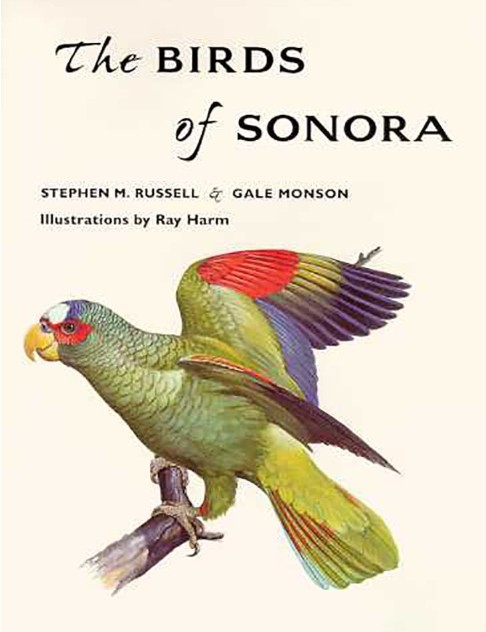
The Birds of Northern Sonora
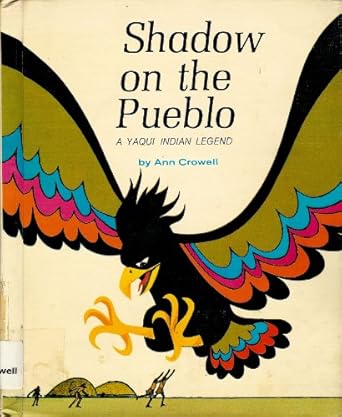
Shadow on the Pueblo
The Trees of Sonora Mexico

Read more

Read more

Read more

Read more

Indigenous Sonora

Notes on the Indians of Sonora Mexico
The Opatas by Yetman
Yaqui Women
Studies of the Yaqui Indians of Sonora

Read more

Read more

Read more

Read more

Indigenous Sonora – The Yaqui

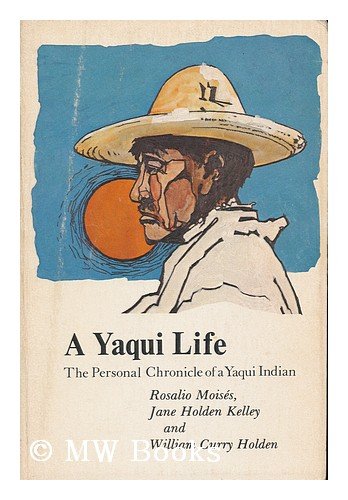
A Yaqui Life
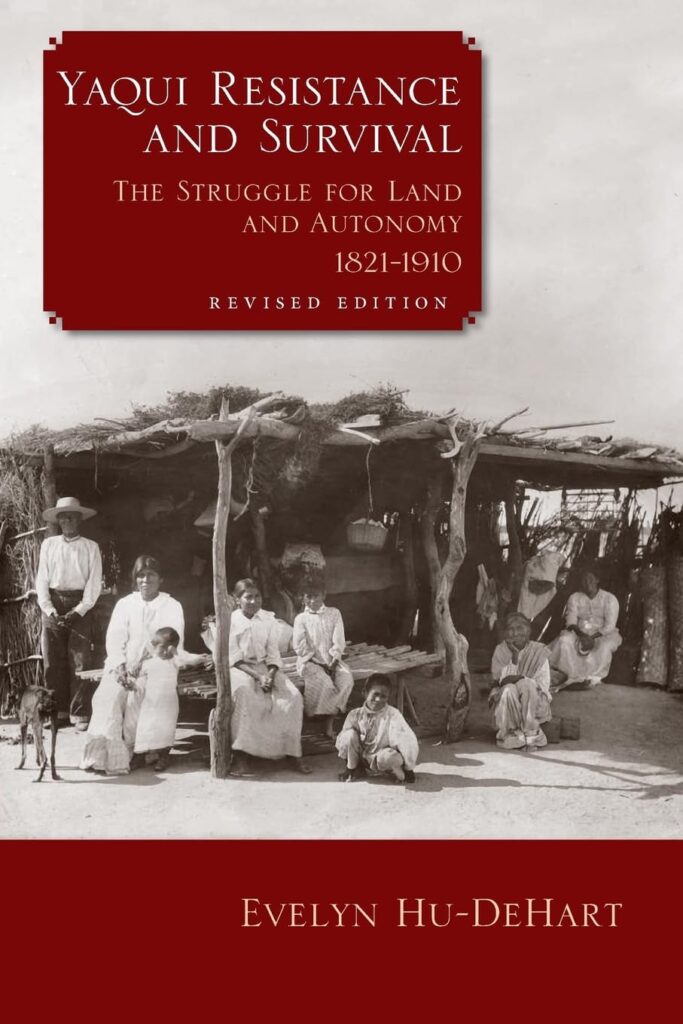
Yaqui Resistance and Survival
Autobiography of a Yaqui Poet
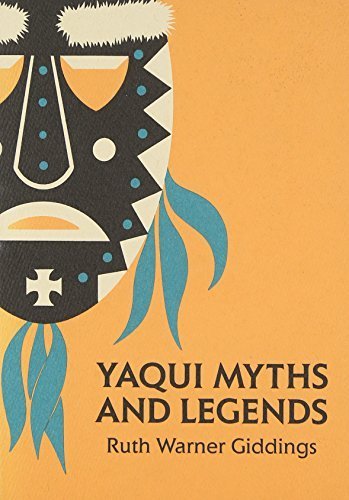
Yaqui Myths and Legends

Read more

Read more

Read more

Read more

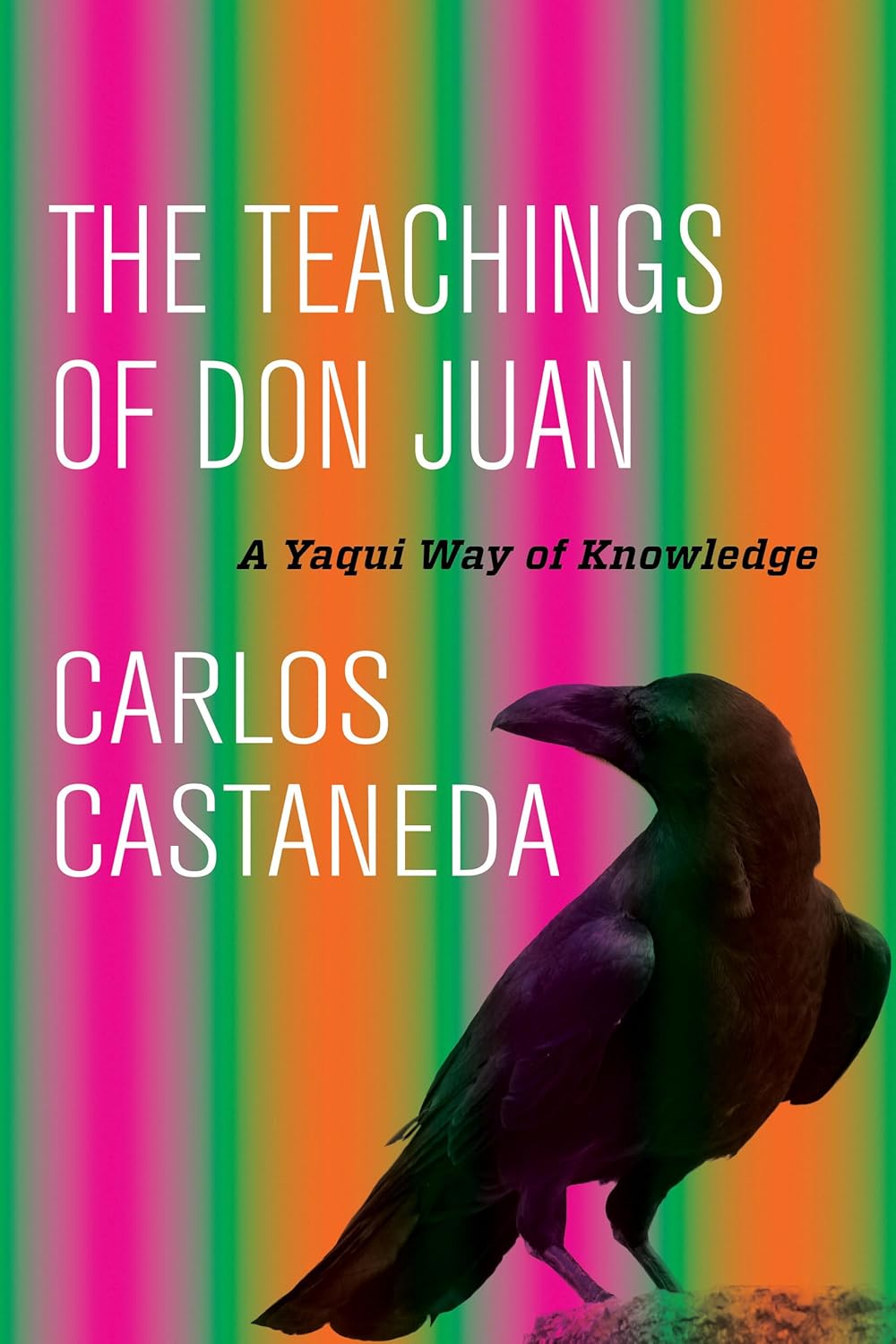
A Yaqui Way of Knowledge
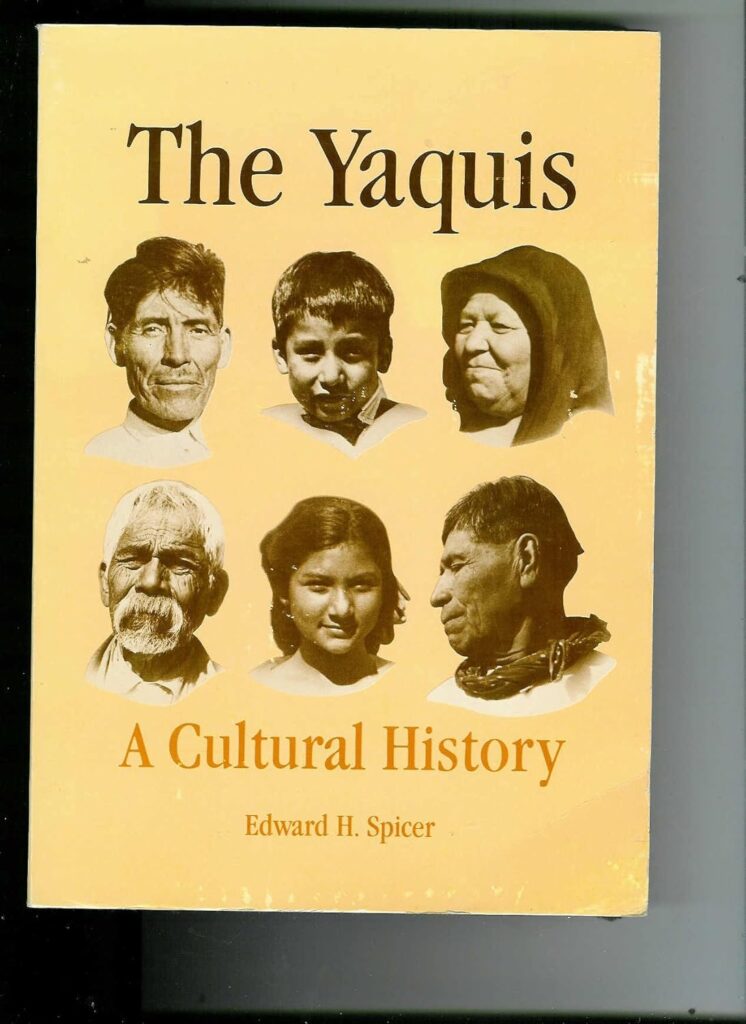
The Yaquis A Cultural History
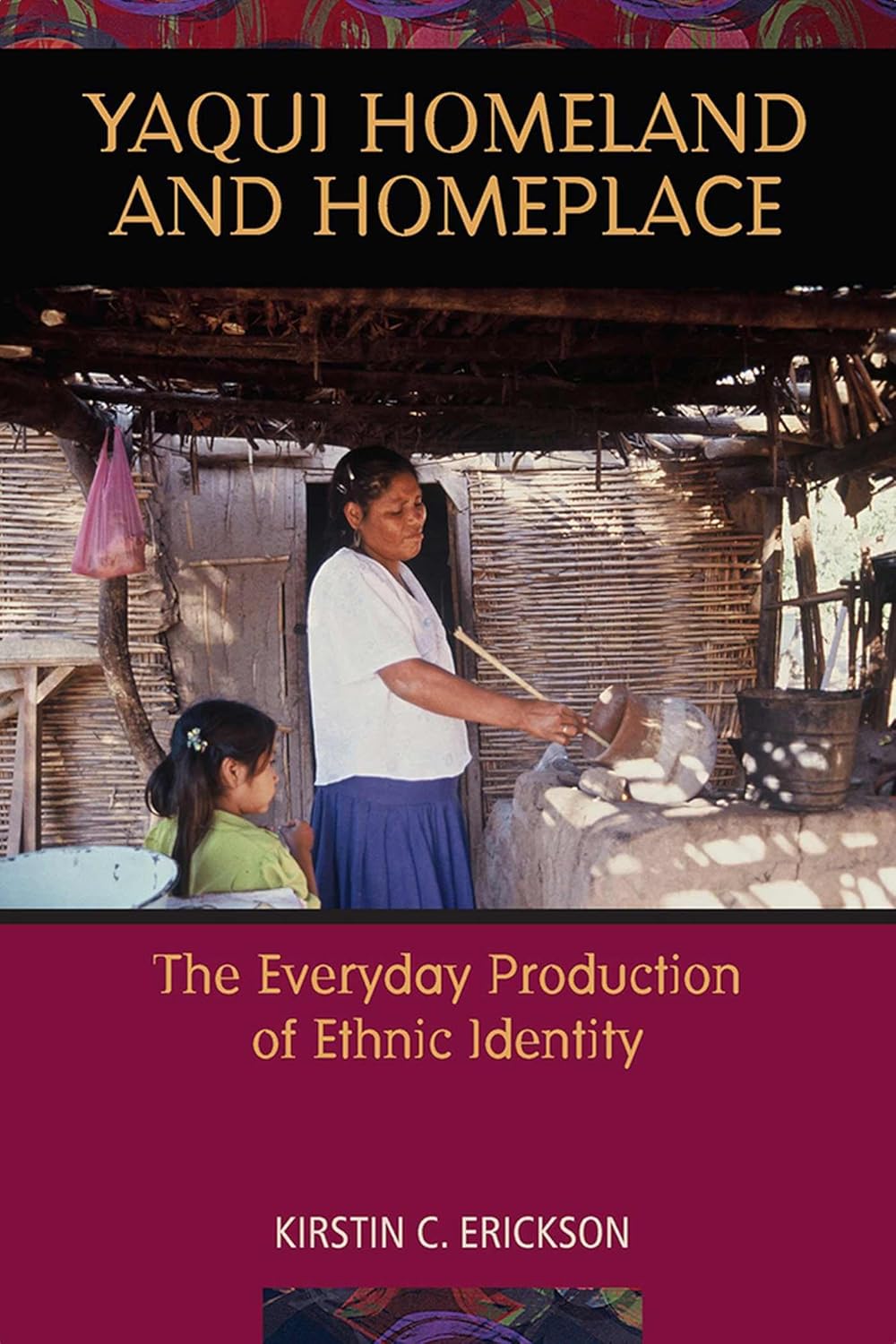
Yaqui Homeland and Homeplace
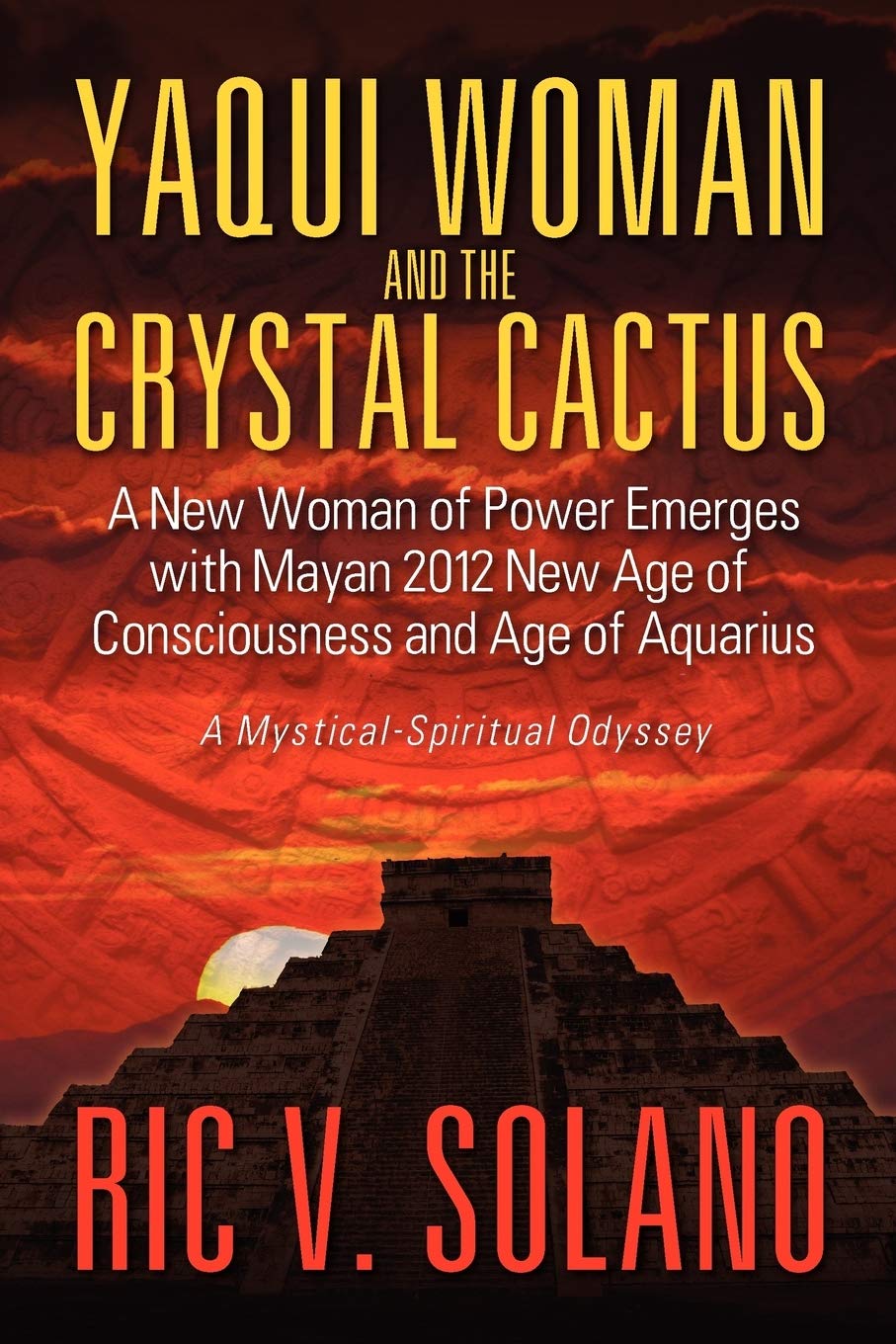
Yaqui Woman and the Crystal Cactus

Read more

Read more

Read more

Read more

Day of the Dead

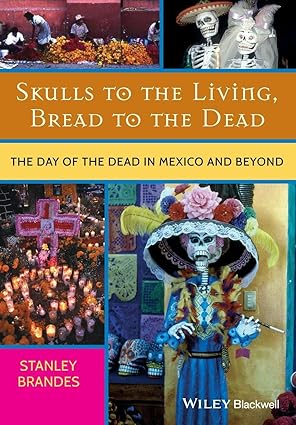
Skulls to the Living Bread for the Dead
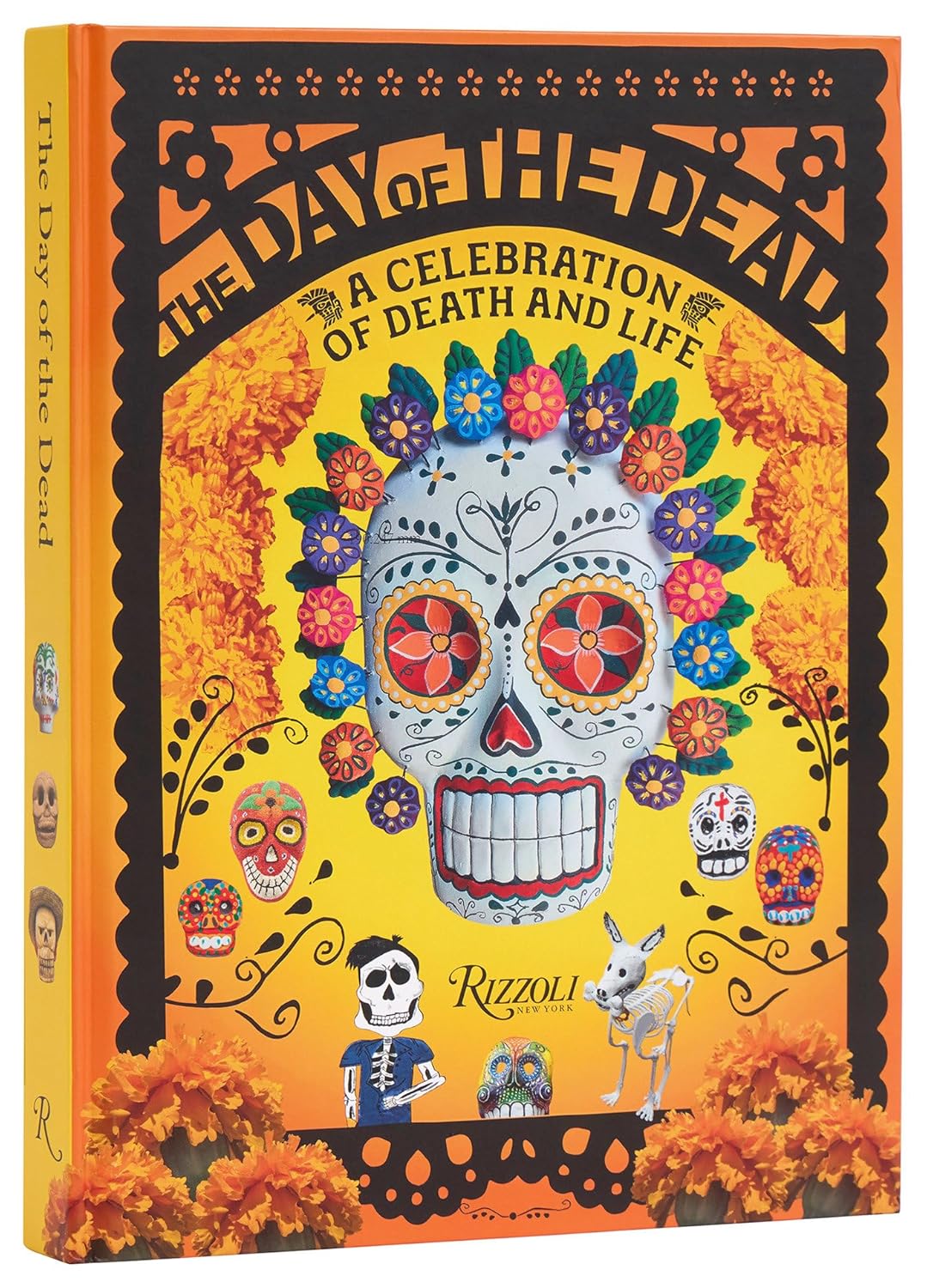
DDM A Celebration of Death and Life
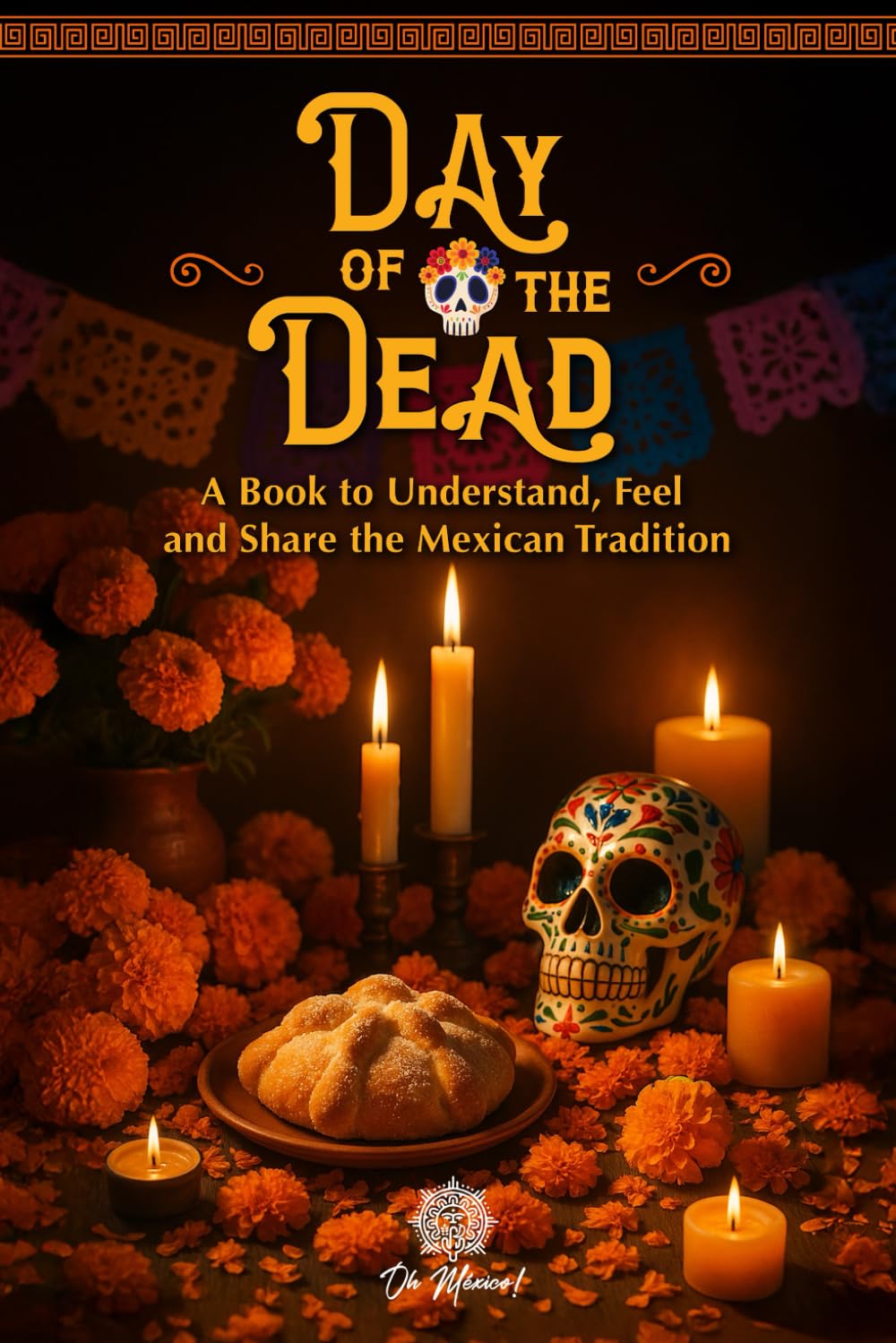
Day of the Dead
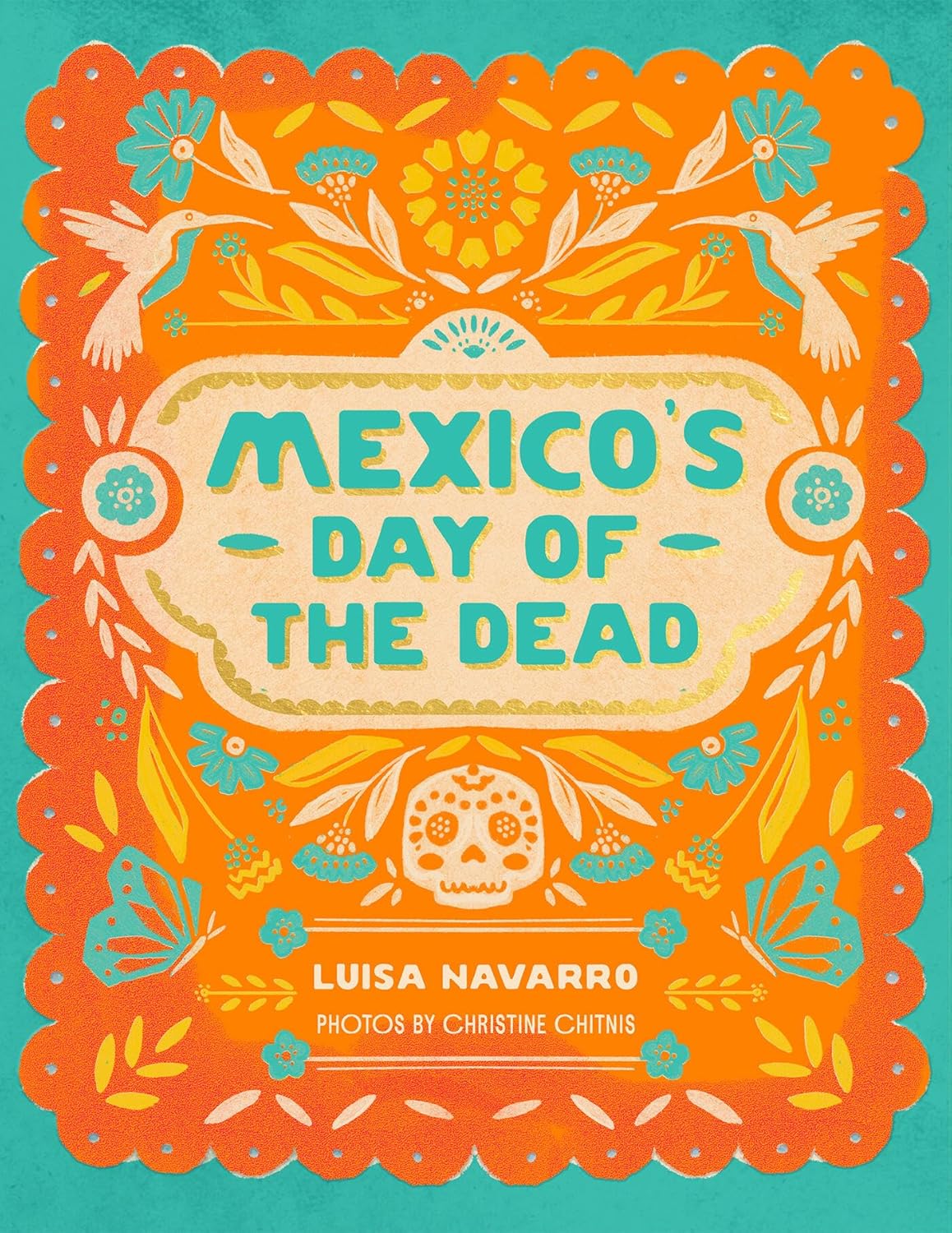
Mexico's Day of the Dead

Read more

Read more

Read more

Read more

Sonora Missions

A Guide to Historic Missions & Churches of the Arizona-Sonora Borderlands
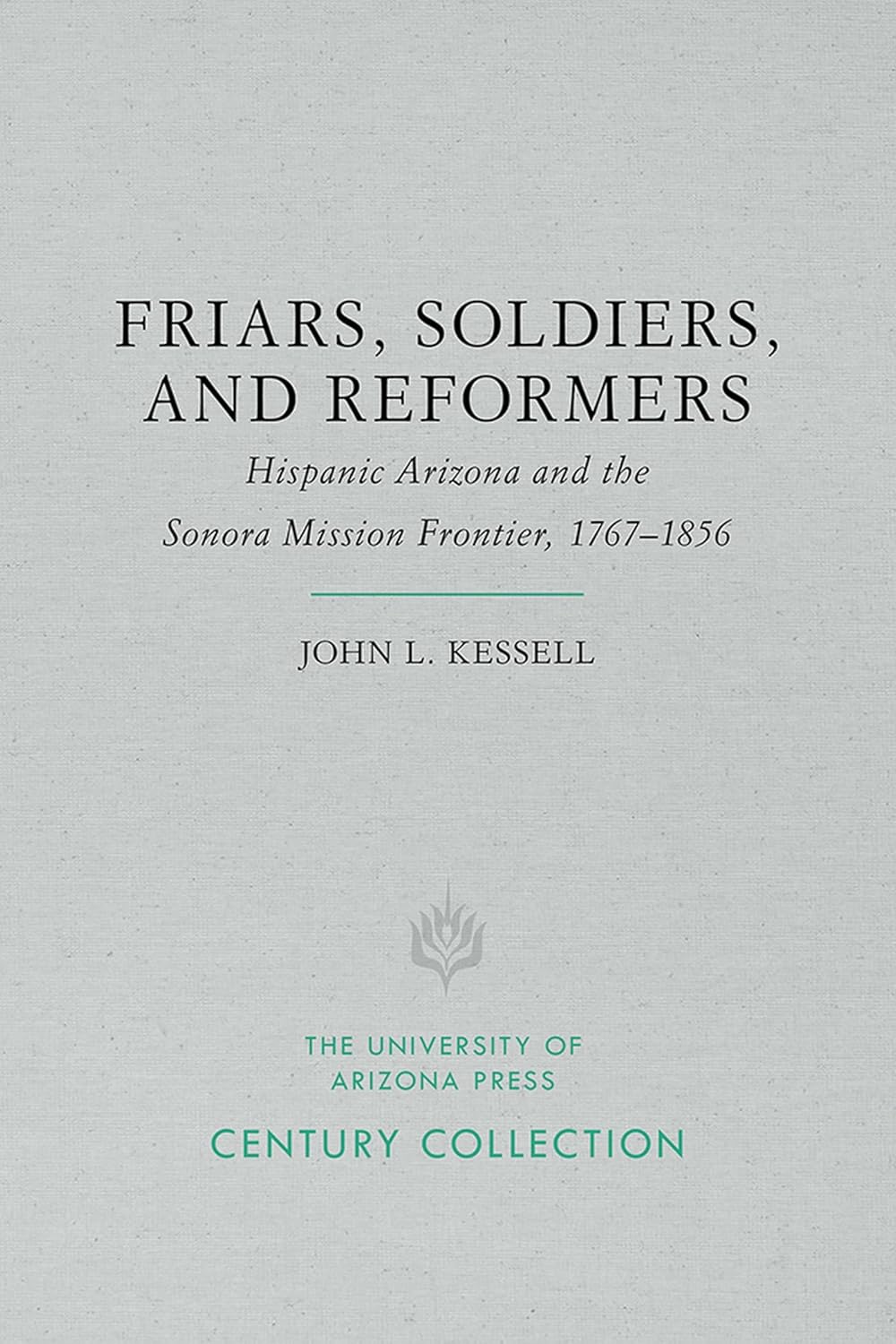
Hispanic Arizona and the Sonora Mission Frontier
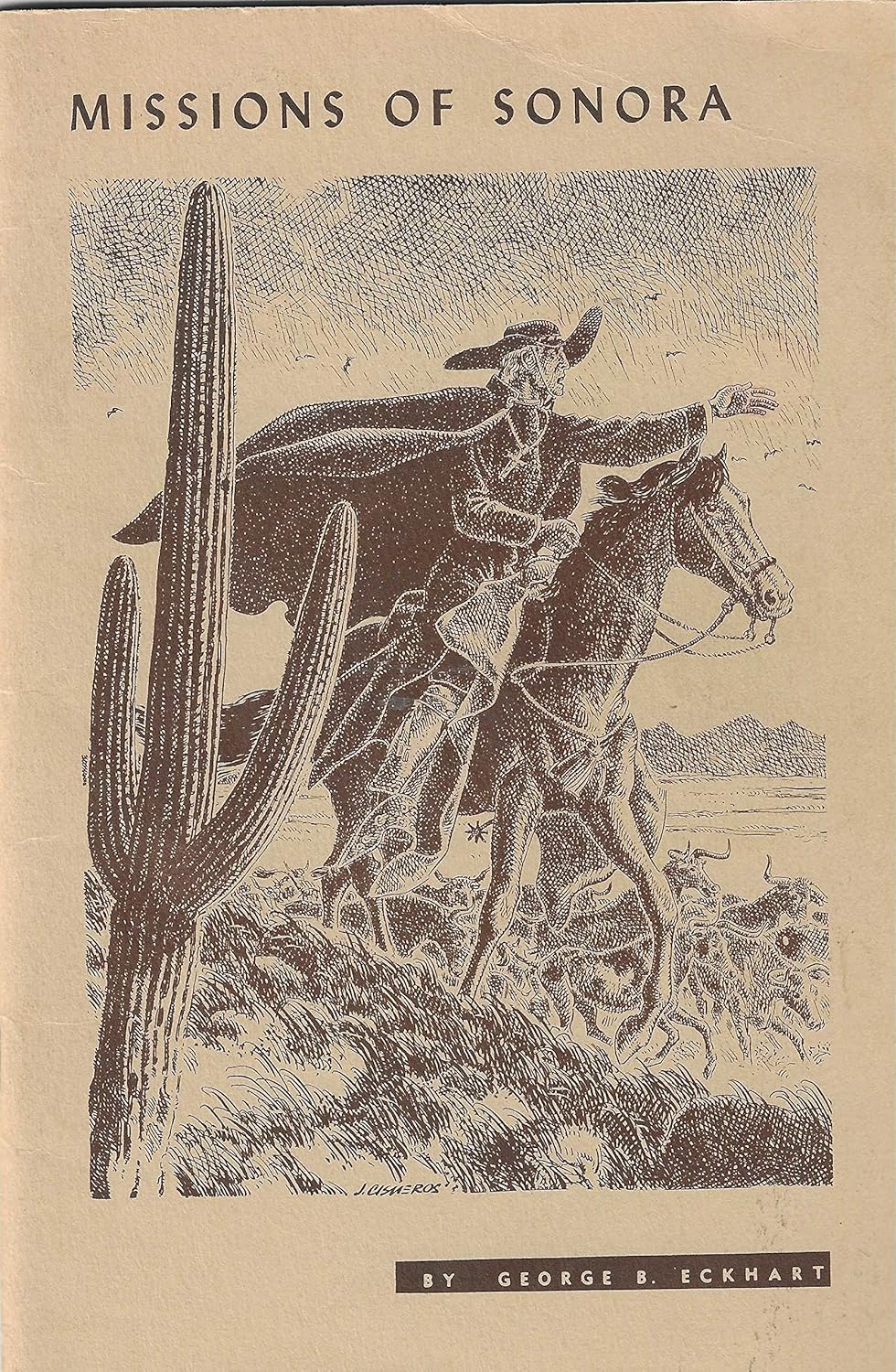
MISSIONS OF SONORA
A Life of Eusebio Francisco Kino

Read more

Read more

Read more

Read more

Is It Time to Return to Sonora? 

Huatabampito, Sonora
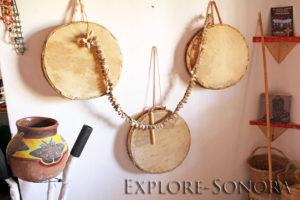
Artesania Mayo - El Júpare, Sonora

Is It Time to Return to Sonora? 

It has been years since I’ve traveled widely in Sonora. Other than a brief trip to the beach resort of San Carlos last year, my journeys through the state have been on hold. The primary reason, of course, has been the increase in cartel violence — especially in places like Ciudad Obregón, Magdalena, Altar, and Caborca. For many of us who love Sonora, this reality has been painful to accept. 

And yet, I continue to carry with me a deep affection for this land and its people. The warmth of its communities, the richness of its traditions, and the stark beauty of its deserts and mountains all call me back. Like many others, I still wrestle with concerns about safety, but I also recognize that Sonora offers so much that deserves to be celebrated and experienced. 

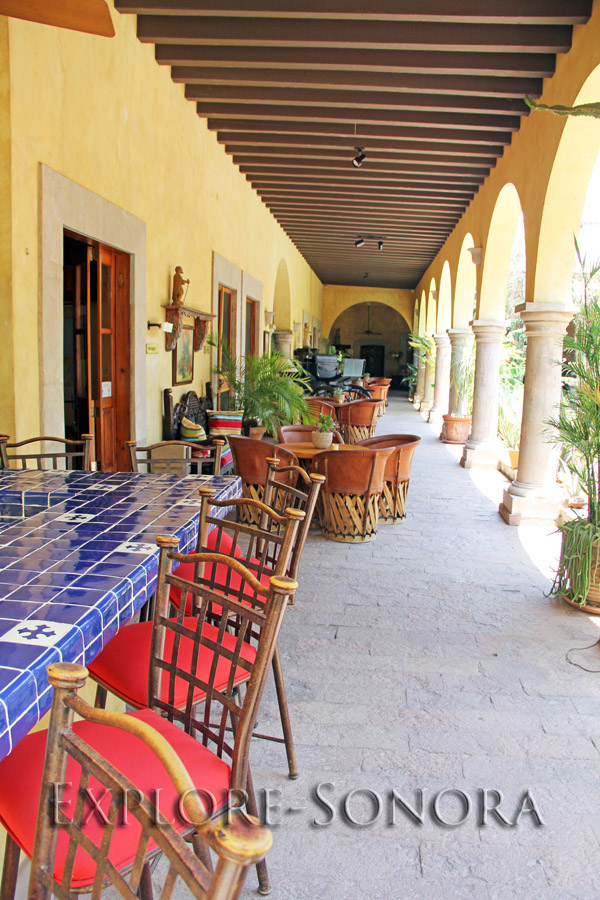
Hacienda de los Santos Resort - Alamos, Sonora, Mexico

If you are also considering a trip, now may be the right time. The oppressive summer heat is fading, and with autumn comes an abundance of cultural life. October brings the Festival de San Judas in Magdalena, a vibrant celebration that is best enjoyed by day, before it transforms into a rowdier, more chaotic party at night.  

Not long after, Día de los Muertos altars and displays bloom across towns and cities, offering a chance to honor loved ones while experiencing one of Mexico’s most beautiful traditions. November adds even more to the calendar, with Mexican Revolution Day festivities on the 20th and the beginning of the holiday season. 

Travel in Sonora, as always, should be thoughtful. Certain areas are best approached with caution, and local advice should be heeded. But for those willing to make the journey — whether to the cultural heart of Magdalena, the historic plazas of Hermosillo, the colonial charm of Álamos, or the sparkling beaches of San Carlos — the rewards remain immense. 

So, is it time to return to Sonora? For me, the answer is yes — carefully, thoughtfully, and with respect for both the challenges and the beauty that define this place. The people of Sonora continue to live, celebrate, and create with resilience. Perhaps the best way we can honor them is to return, to share in their traditions, and to once again walk the land that so many of us still hold close to our hearts. 

Is it Safe to Visit Sonora?

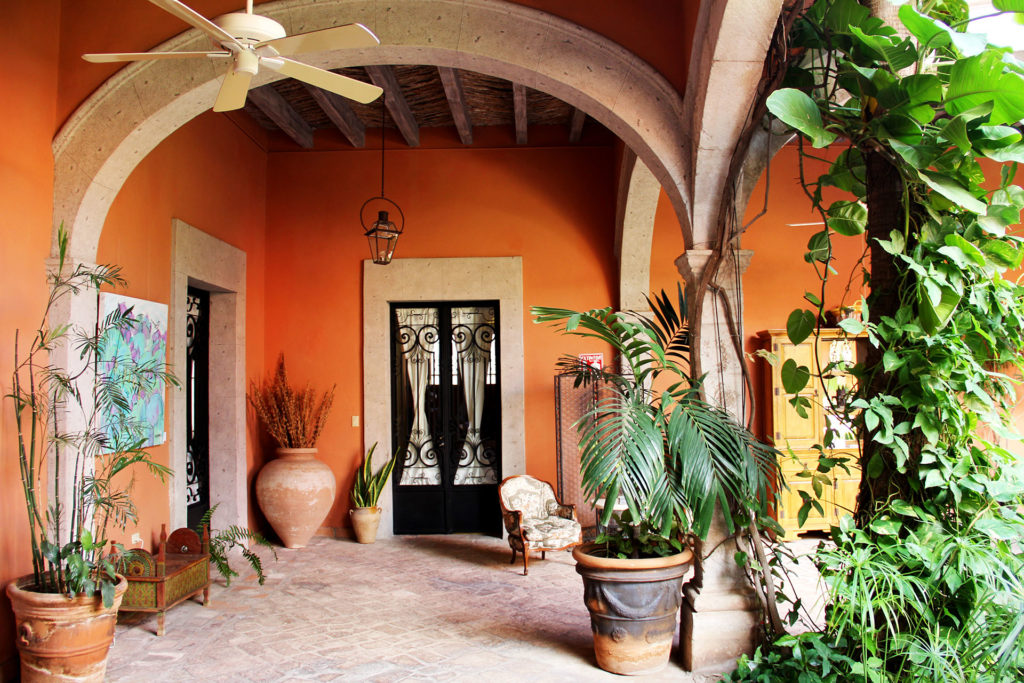
Courtyard of the Alamos Hotel Colonial
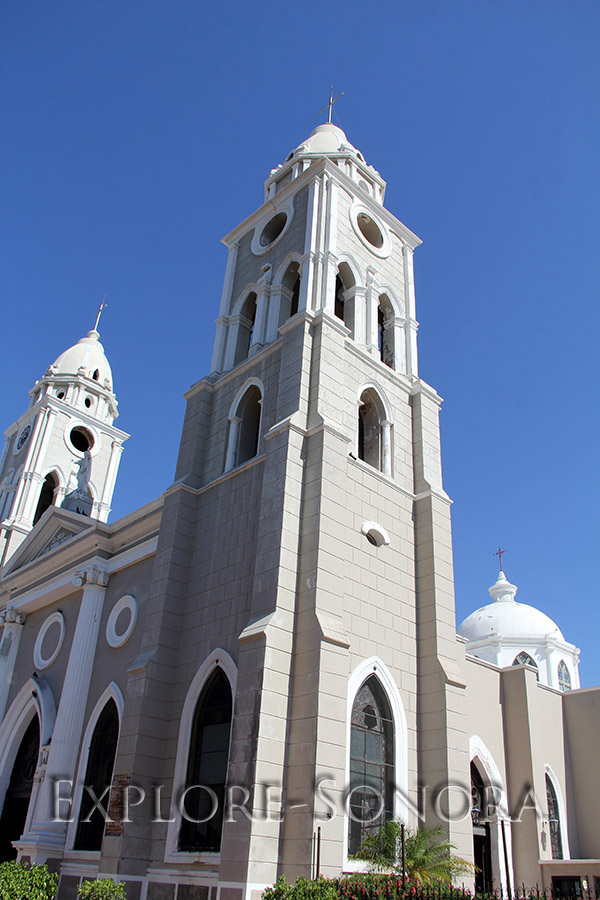
Iglesia San Fernando in Guaymas, Sonora, Mexico

No tourists allowed at Comcaác Seri New Year celebrations this year

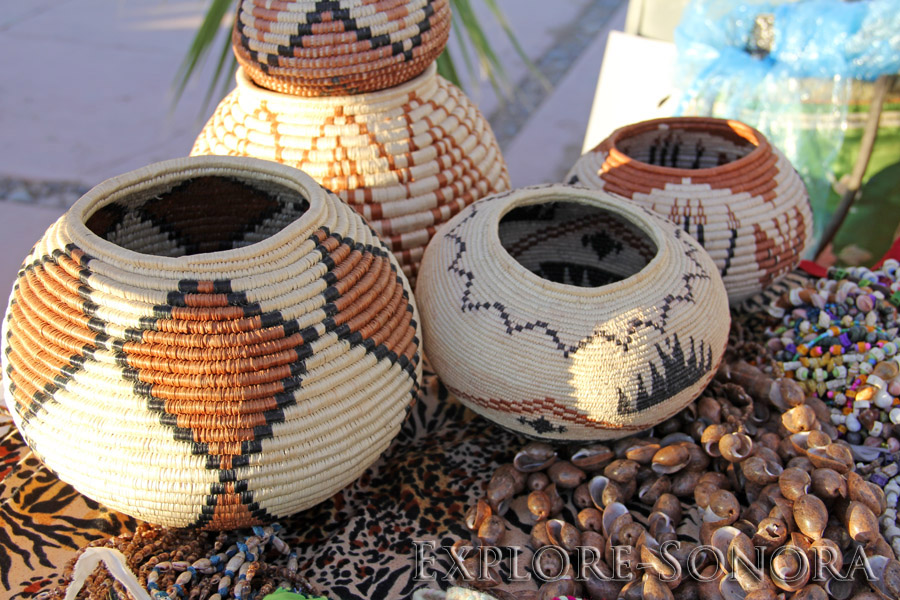
Comcaac Seri hand-woven baskets

Priority to protect the health of the Seris

This year, due to the COVID-19 pandemic, outsiders will not be able to see the traditional New Year’s celebrations of the Comcaac Seri on June 30 and July 1.  

The Seris traditionally hold five fiestas in Desemboque and Punta Chueca, where hundreds of visitors typically attend. 

But the small Comcaác communities do not have a doctor or medical equipment, so they must be very careful about avoiding the coronavirus. 

Miguel Estrella Romero, President of the Council of Elders of Desemboque de los Seris, was quoted in the Sonoran newspaper El Imparcial yesterday regarding the travel ban.

He acknowledged that the lack of tourists will directly affect native artisans, who sell their art and crafts during the events. 

“But health comes first,” he said. 

The Comcaác New Year celebrates a time when the Sea of Cortez and Sonoran Desert begin a cycle of regeneration, with an abundance of food from the desert and fish from the sea.