Indigenous Peoples of Sonora: Culture, History, and Identity
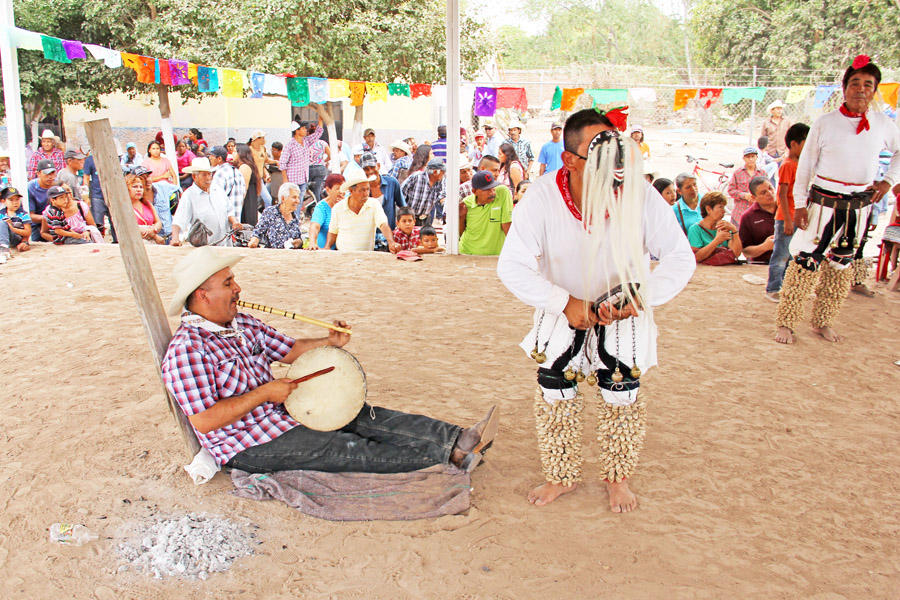
Indigenous Peoples of Sonora: Culture, History, and Identity
One of the most meaningful and rewarding aspects of developing ExploreSonora.com has been the opportunity to learn about and share the cultures, traditions, history, and communities of the indigenous peoples of Sonora.
While many travel websites focus primarily on destinations, hotels, restaurants, and attractions, Sonora’s indigenous cultures represent something deeper and far more enduring: the living cultural foundation of the region itself.
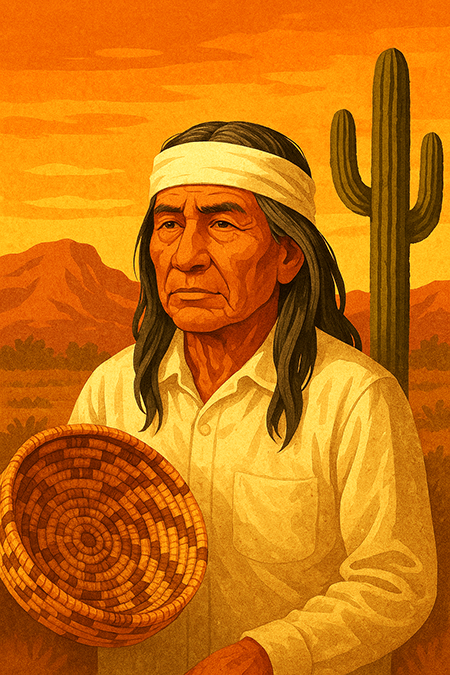
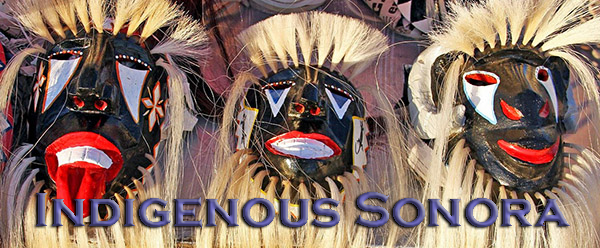
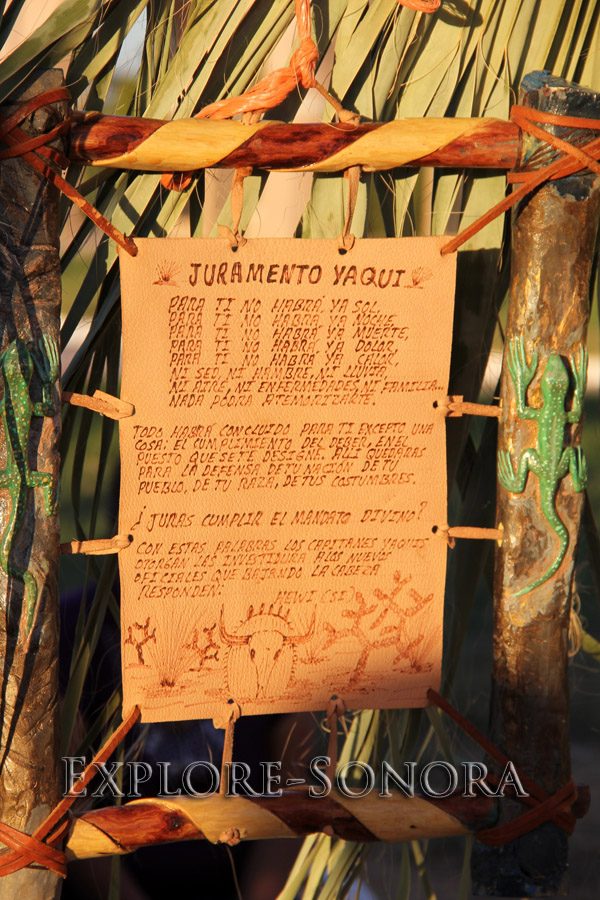
Over the years, Explore Sonora has developed a growing collection of pages and cultural features focused on the indigenous peoples of Sonora, with pages that feature the state’s eight recognized indigenous groups: the Yoeme Yaqui, Yoreme Mayo, Comcáac Seri, Tohono O’odham, Guarijío Makurawe, Pima, Cucapá, and Kikapú.
These pages have become some of the most visited and widely searched content on the website, demonstrating a strong interest in the people, traditions, history, language, art, and cultural identity of Sonora’s indigenous communities.
More Than History
One of the most important things I have learned while traveling throughout Sonora is that indigenous cultures are not simply part of the region’s past. They remain an important and living part of Sonora today.
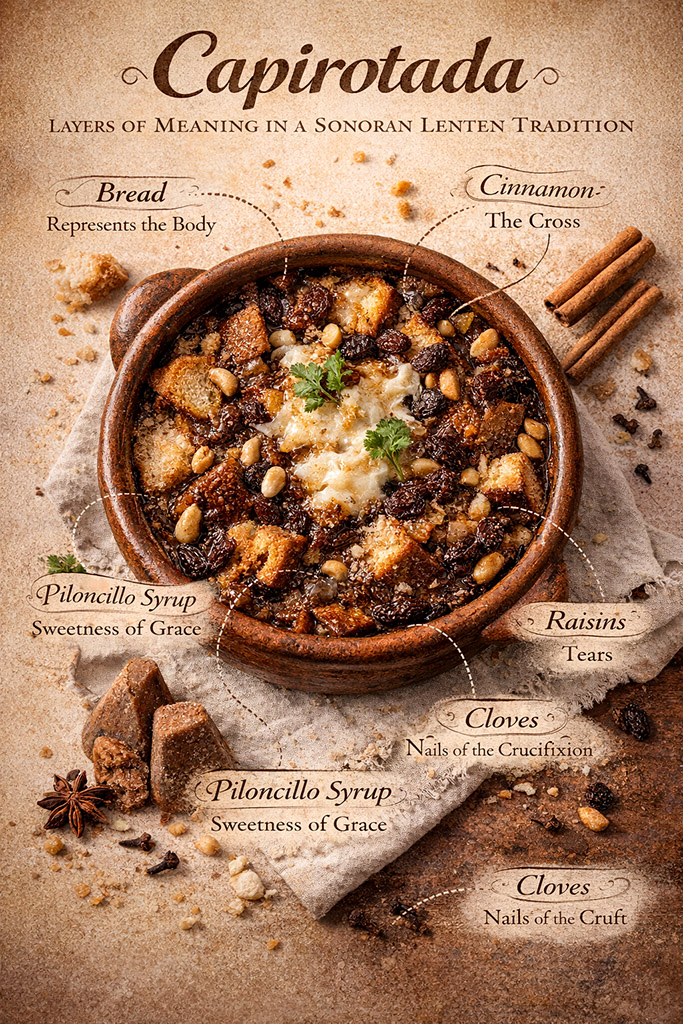
Their influence can be seen throughout the state in traditions, food, art, craftsmanship, language, ceremonies, music, regional identity, and community life. Learning about these cultures adds depth and meaning to their understanding of Sonora itself.
Personal Appreciation
I have always been drawn to indigenous cultures and the deep sense of history, identity, spirituality, and connection to place that they represent.
Traveling throughout Sonora has provided opportunities not only to visit beautiful destinations, but also to better appreciate the cultural richness and diversity that make the region so fascinating.
That appreciation continues to shape the long-term direction of Explore Sonora.
Looking Ahead
As Explore Sonora continues to grow, I hope to further expand respectful cultural and historical coverage related to the indigenous peoples of Sonora through additional cultural features, historical information, regional traditions, images, artisan and craft highlights, festivals and ceremonies, and educational travel content.
The goal goes beyond tourism to understanding and appreciation. Because one of the best ways to truly experience Sonora is to understand the cultures and communities that have shaped the region for generations.
Explore the Indigenous Peoples of Sonora
Explore Sonora’s Indigenous Peoples section here.
Thank you for helping support the continued growth of ExploreSonora.com and its efforts to share the history, culture, and beauty of Sonora with readers around the world.
— Bruce Waldon
Founder, ExploreSonora.com