February 2 in Sonora: La Candelaria and Tamales

February 2 in Sonora: La Candelaria and Tamales
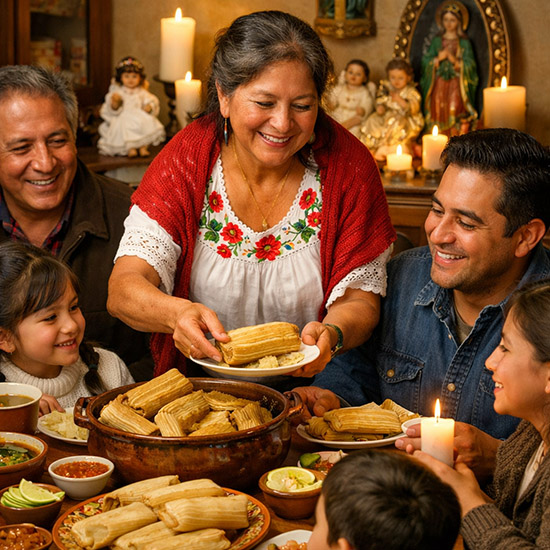
An annual tradition that begins on Three Kings’ Day

In Sonora, February 2, known north of the border as Candlemas (la Candelaria) or the Feast of the Presentation of the Lord, is more than a religious observance. It marks the culmination of a cultural tradition that begins weeks earlier on January 6, Día de los Reyes Magos (Three Kings’ Day).

During Three Kings’ Day celebrations, families gather to share the Rosca de Reyes, a sweet bread that hides small figurines of the baby Jesus. Tradition holds that anyone who finds a figurine becomes the padrino or madrina responsible for hosting, or at least contributing to, the Candlemas gathering on February 2.

Tamales, Faith, and Community

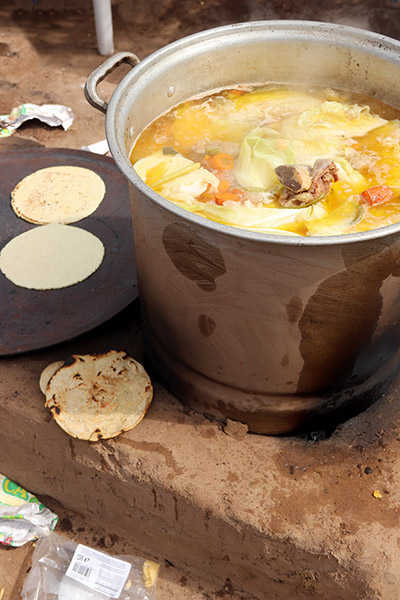
In Sonora, Candlemas is widely celebrated with tamales, often homemade and shared with extended family, neighbors, coworkers, and friends. The meal is both festive and communal, reinforcing social bonds and a sense of shared responsibility rooted in tradition.

Alongside the food, many families attend Mass, where candles are blessed to symbolize Christ as the light of the world. This blend of faith, food, and fellowship reflects a distinctly Sonoran way of observing the day. Grounded in spirituality but lived through everyday community life.

From the Rosca de Reyes to the tamales of La Candelaria, the tradition reflects continuity across generations, linking belief, celebration, and cultural identity in a way that remains deeply meaningful throughout Sonora.
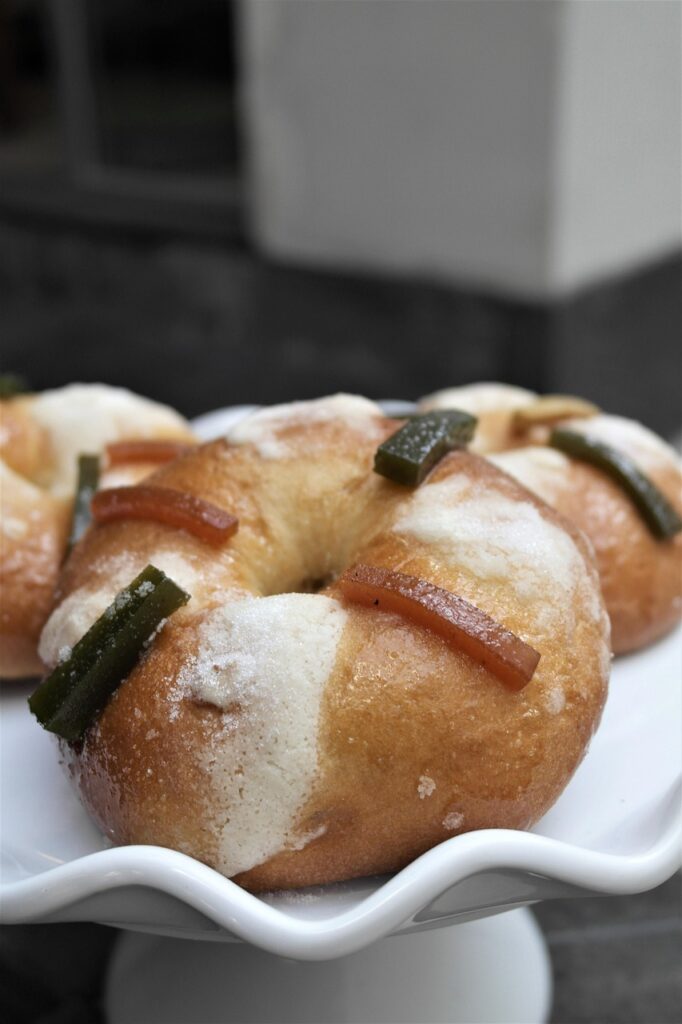
Closeup of a Rosca de Reyes

Videos of Dia de San Juan Traditional Fiestas

Celebrating the feast day of San Juan Bautista in Navojoa, Sonora on June 24

Celebrations of the Nativity of Saint John the Baptist

June 24 is the Nativity of Saint John the Baptist, a major liturgical day in the Catholic, Anglican and Lutheran churches, and a feast day with great religious and cultural significance in Sonora.

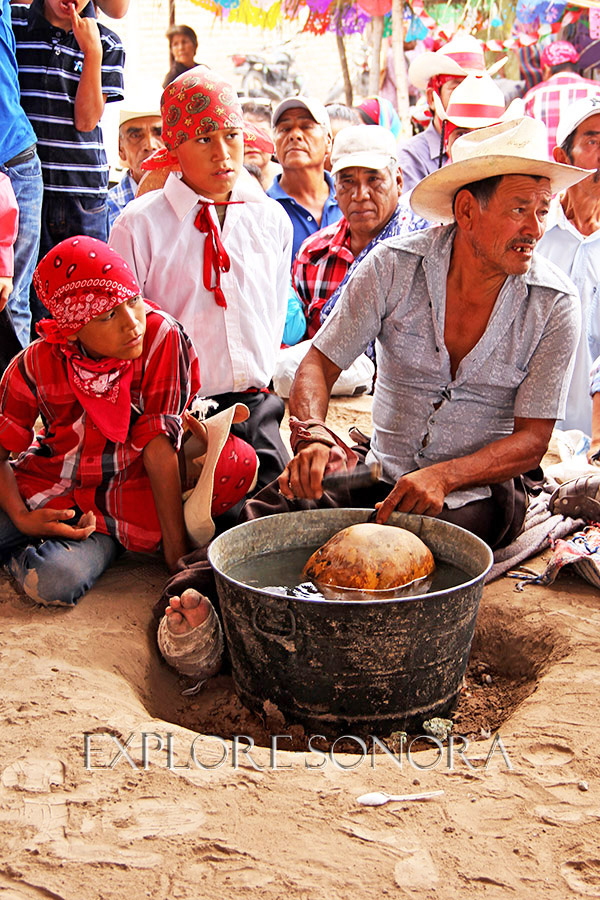
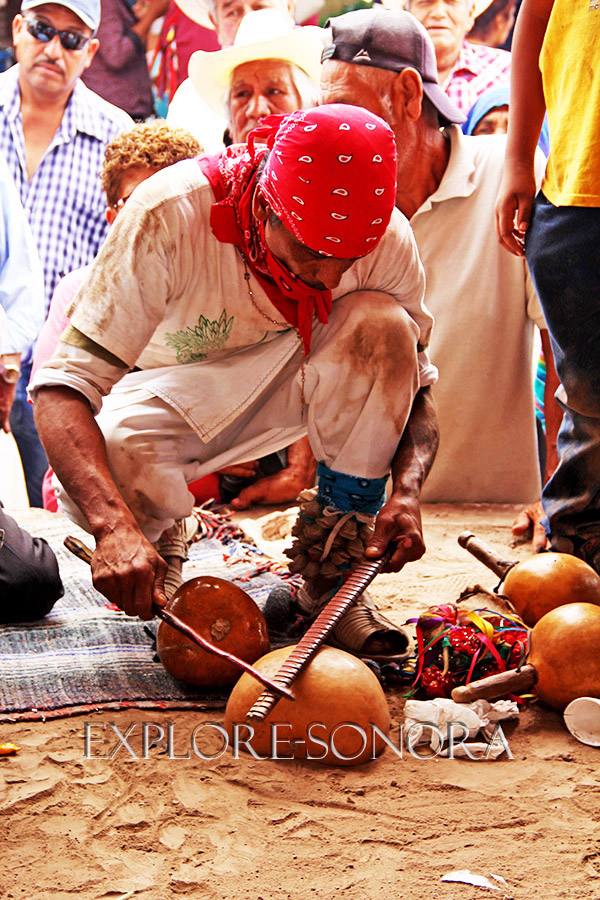
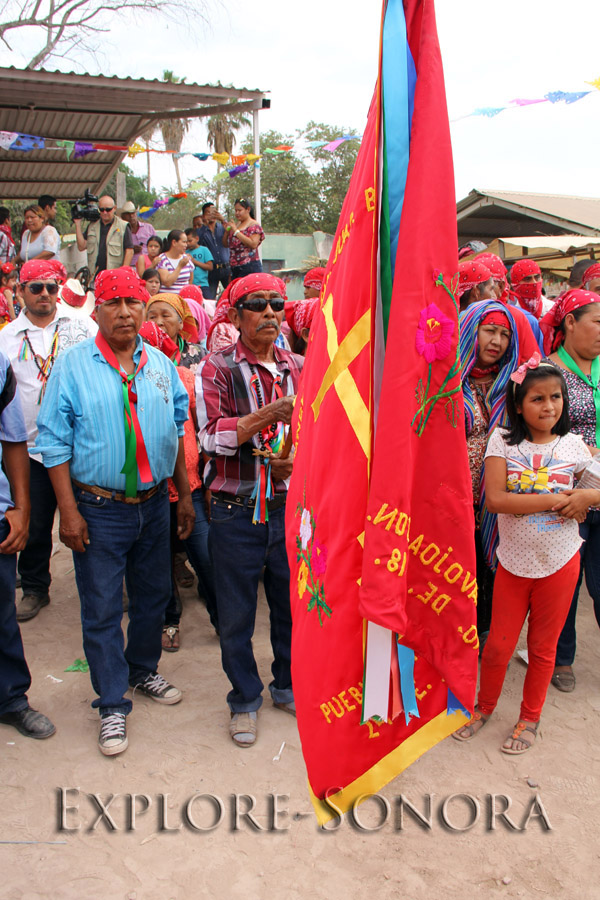
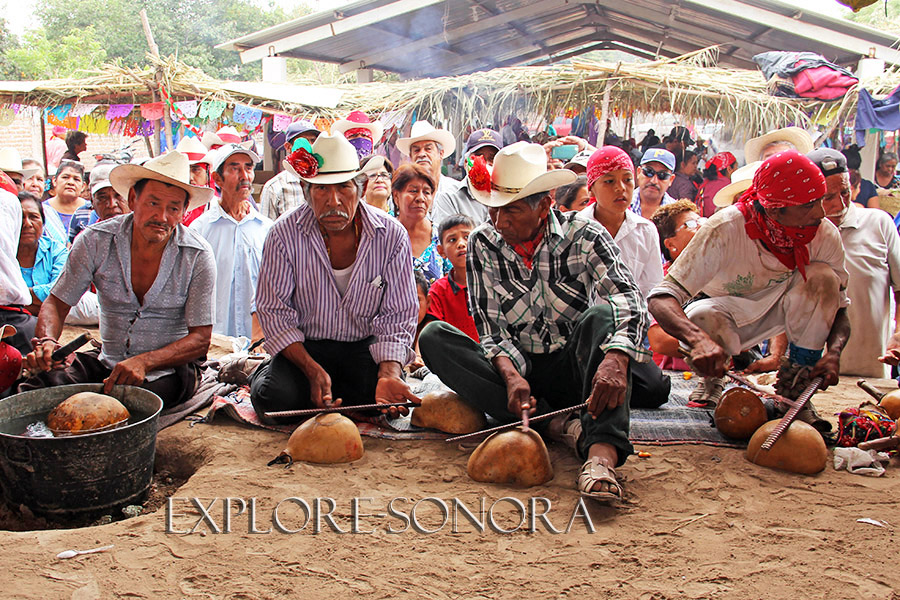
In the Yoreme Mayo pueblo of Pueblo Viejo, Navojoa, celebrations begin on the eve of June 24, where dancers and musicians perform all night in the town’s ramada gathering area.

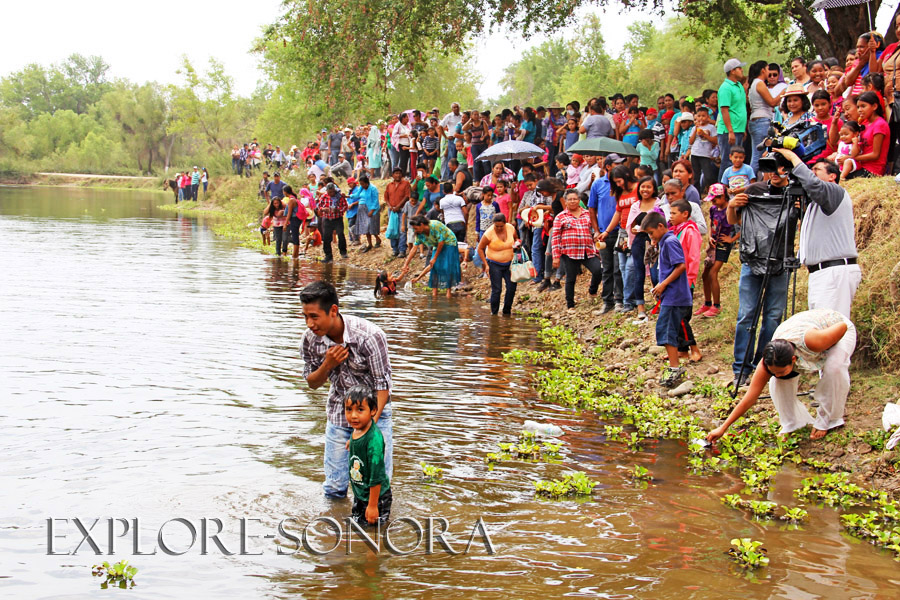
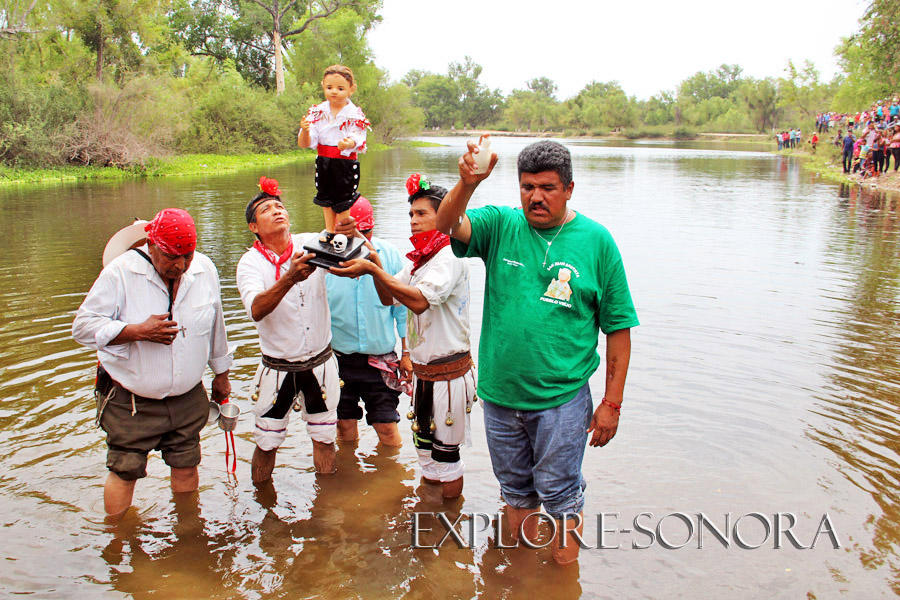
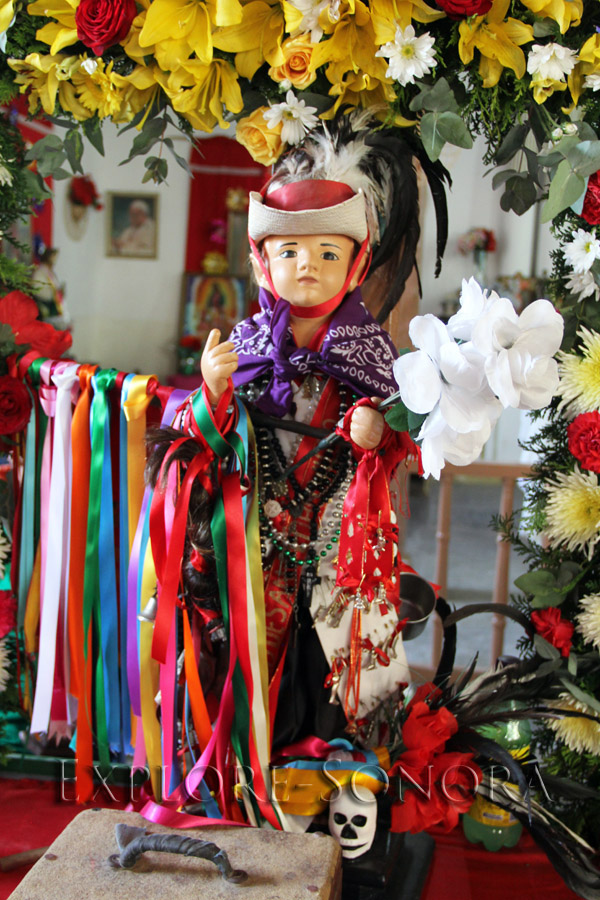
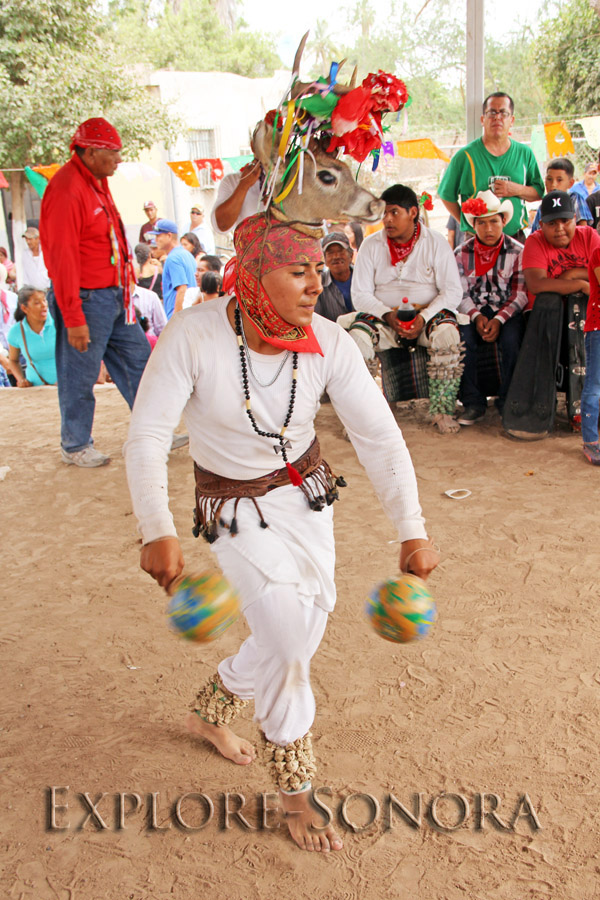
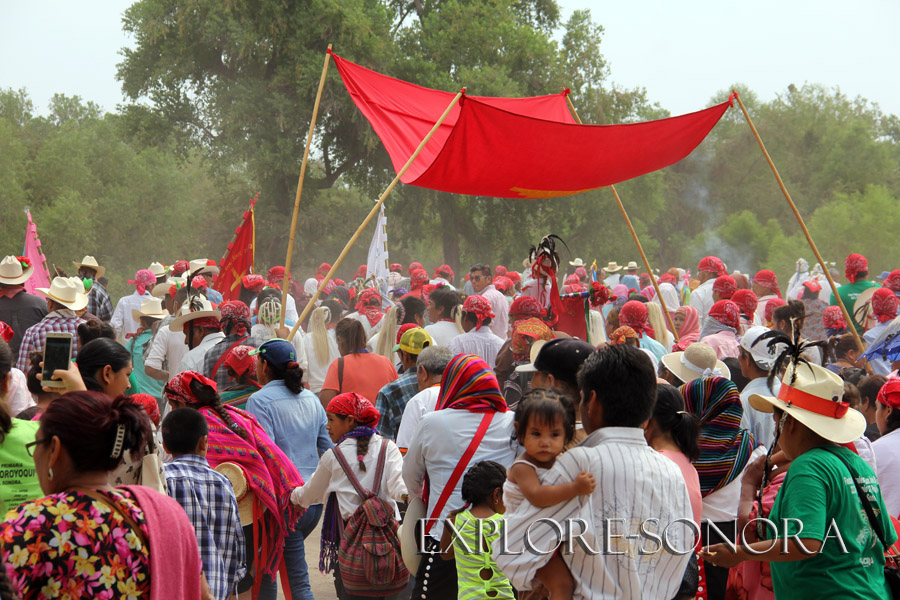
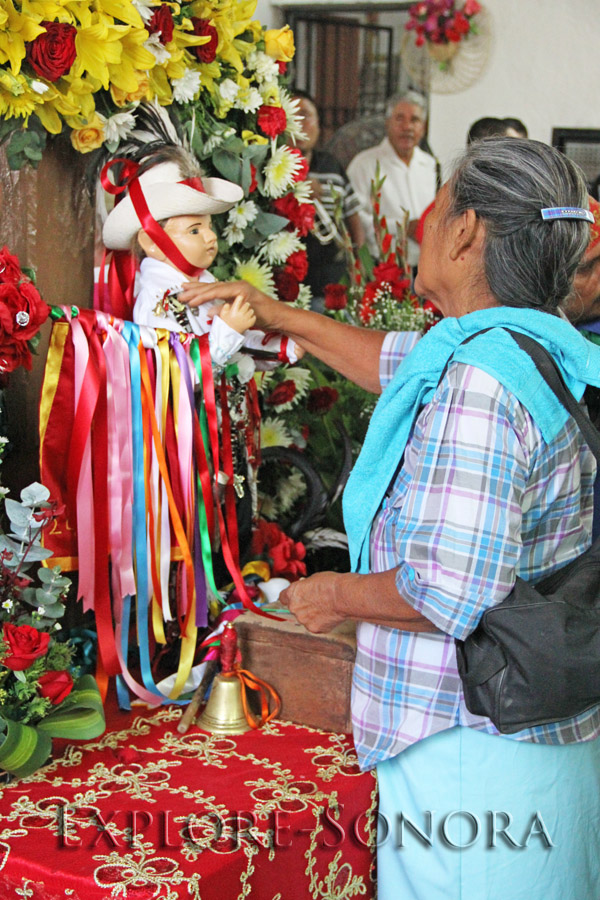
On the morning of June 24, a procession takes the image of Saint John to the River Mayo, led by matachin dancers, paskolas and deer dancers. The saint is then bathed in the river and blessed, which it is believed causes the waters of the River Mayo to be blessed.

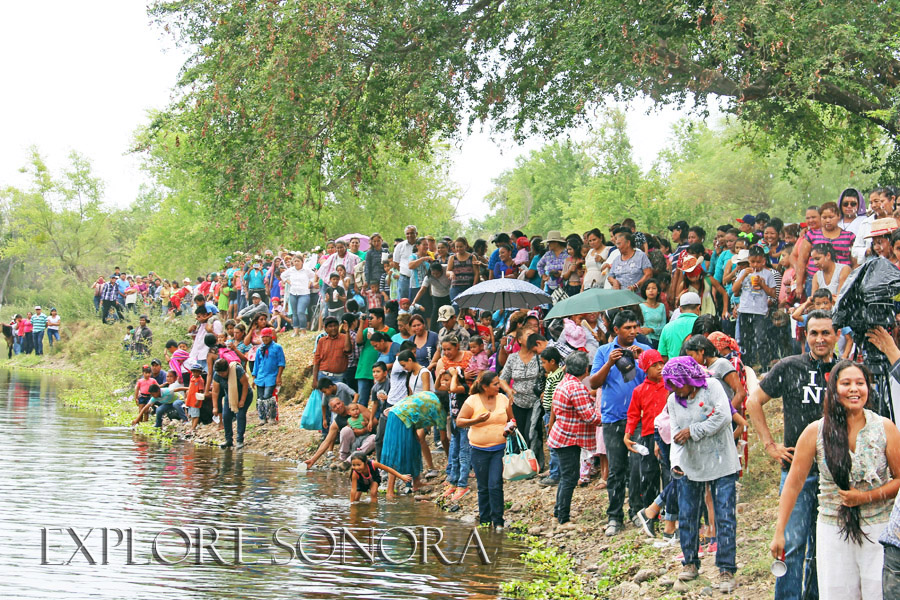
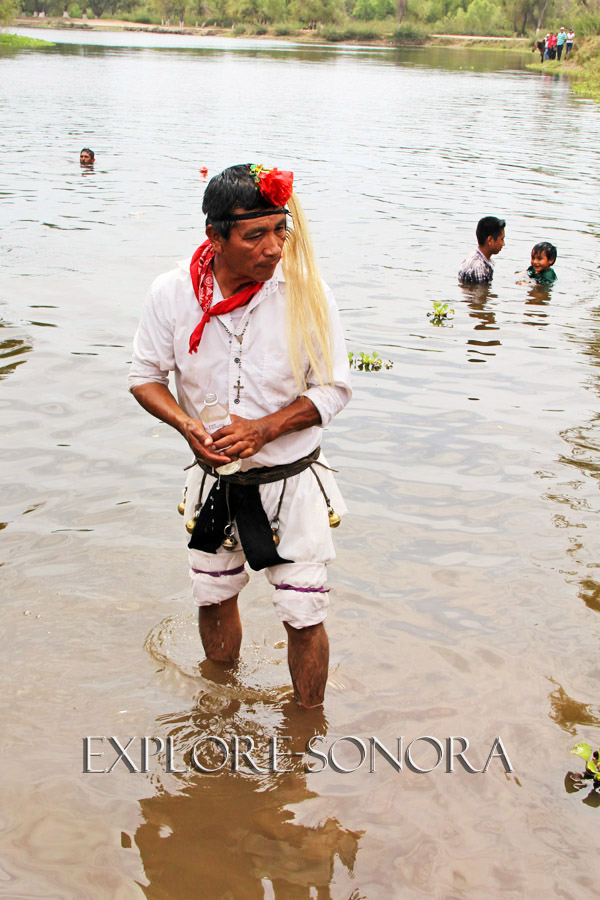
Participants then either enter the river or splash each other with water from the river, a refreshing end to the ceremony on this hot summer day.

Following are videos from the 2017 “fiestas tradicionales” in observance of the nativity day of St John the Baptist, in the Yoreme Mayo town of Pueblo Viejo, Navojoa, Sonora.

Read more about celebrations on the feast day of St John the Baptist and see more photos.

Celebrating Dia de San Juan Bautista in the Mayo River - Navojoa, Sonora, Mexico
Facebook logo

Gathering at the Ramada in Pueblo Viejo

San Juan and the Rio Mayo

Facebook logo

June 24 – Feast Day of John the Baptist in Sonora

Taking St John the Baptist to the River Mayo in Navojoa, Sonora on June 24

Celebrations of the Nativity of Saint John the Baptist

June 24 is the Nativity of Saint John the Baptist, a major liturgical day in the Catholic, Anglican and Lutheran churches, and a feast day with great religious and cultural significance in Sonora.

San Juan Bautista is one of the most revered saints, as the prophet who foretold the coming of the Messiah in the form of Jesus Christ, and who baptized Jesus in the River Jordan.

Where the feast days of saints usually celebrate the day of their death (and birth into the afterlife), the nativity of Saint John the Baptist commemorates his birth, six months before the birth of Christ.

The date is linked to two other major days on the liturgical calendar. It is three months after the annunciation, when the Angel Gabriel informed Mary that she would conceive Jesus, and six months before Christmas.

Saint John also has a feast day on August 29 to commemorate his beheading, around the year A.D 28.

Global Celebrations in Honor of Saint John

The nativity of Saint John is observed in different ways in different regions of the world.

Europeans light fires on the eve of the nativity and believe that herbs picked on the eve of June 24 have special healing powers, and hidden treasures sit exposed in open places. Some Scandinavian and Slavic countries have ancient beliefs that witches and demons are allowed to roam the earth of the eve of the nativity.

Observances of Día de San Juan in Sonora

In Sonora, the feast day of St John is revered among the native peoples of the region, especially the indigenous Yoeme Yaqui and Yoreme Mayo.

Instead of fire, the day is celebrated with water, perhaps because Saint John is the patron saint of baptism and the date comes at a time when seasonal summer rains typically begin in this hot, dry desert region. A common belief is that any rains on June 24 will be holy water.

Celebrations typically begin on the eve of the nativity of St John and continue through the night. The day of the 24th is celebrated with religious services, processions, dance and other activities. Most involve lots of water, where participants get wet through sprinkling, throwing water or otherwise getting soaked with water.

Festivities in Pueblo Viejo, Navojoa, Sonora

In the Yoreme Mayo pueblo of Pueblo Viejo, Navojoa, observances of this special day begin on the 22nd with a traditional canariom ceremony,

Starting on the eve of the Dia de San Juan, traditional paskola, matachin and deer dancers perform with musicians through the night at a gathering in the pueblo’s ramada area.

On the morning of June 24, a procession takes the image of Saint John to the River Mayo, led by matachin dancers, paskolas and deer dancers.

Saint John is then taken in to the river, where the saintly image is bathed. It is a ritual that the faithful believe also blesses the river’s water, making it holy water. Participants on the banks of the River Mayo enter the water and splash each other and collect samples of the holy water.

Celebrating Dia de San Juan Bautista in the Mayo River - Navojoa, Sonora, Mexico
Instagram for Explore-Sonora
Celebrating Dia de San Juan Bautista in the Mayo River - Navojoa, Sonora, Mexico

January 2018 Events in Sonora Mexico

January 2018 Events in Sonora, Mexico

The Sonora events calendar starts the year by finishing the 2017 Christmas season, which officially ends on January 6, the Dia de Reyes. The month ends with what has become a massive cultural and arts festival, the Festival Cultural Dr. Alfonso Ortiz Tirado, also known as FAOT. Tens of thousands flock to the epicenter of Alamos, Sonora, and concerts are also performed in Hermosillo and other Sonoran cities.

New Year’s Day
January 1
A quiet day, most stores and businesses are closed.

Dia de Reyes – Kings Day
January 6
Mexican children receive gifts from the three kings (the Magi) on this day, which is the traditional end to the Christmas season. This is also the day when people buy special circular bread called a “rosca.” Inside every rosca there is a plastic figurine of Jesus, and whoever gets the piece that contains the plastic Jesus is obligated to provide tamales for Candlemas (Dia de la Candelaria) on the 2nd of February.

Alamos Cultural Festival – Festival Cultural Dr. Alfonso Ortiz Tirado
Alamos, Sonora
January 19 – 27
This annual festival, commonly known as the “FAOT,” is named in honor of Alamos doctor and philanthropist Alfonso Ortiz Tirado, who was also an accomplished opera singer.

The event highlights operatic singing and chamber music, but a variety of popular music and art are also featured – not only in Alamos, but in other cities in Sonora as well, where concerts are performed during the week.

This event has steadily grown in popularity and is now one of Sonora’s most important cultural events, drawing over 100,000 people from many different countries. 2018 marked the 34th year of the festival. More information

Instagram for Explore-Sonora

ECOIX Sonora Ecotourism

ECOIX Sonora Ecotourism

Well-being for Sonora's Indigenous Communities
Comcaac artisan - ECOIX Sonora Ecotourism

ECOIX Ecoturismo Sonora is an ecotourism and cultural-tourism initiative based in Hermosillo, Sonora that promotes and seeks social, environmental and economic well-being for the indigenous communities of Sonora.

By means of establishing alliances with the native peoples, they promote ecotourism visits to their territories so that visitors can discover, experience, appreciate, respect and admire their natural environment and wealth of cultural heritage.

ECOIX is a customer-oriented organization that has scheduled tours, and can also plan a tour based on your interests – if you would like to learn more and have a first-hand experience with the indigenous peoples of Sonora, Mexico in their native lands, get in contact with ECOIX to get started.

All photos provided by ECOIX Ecoturismo

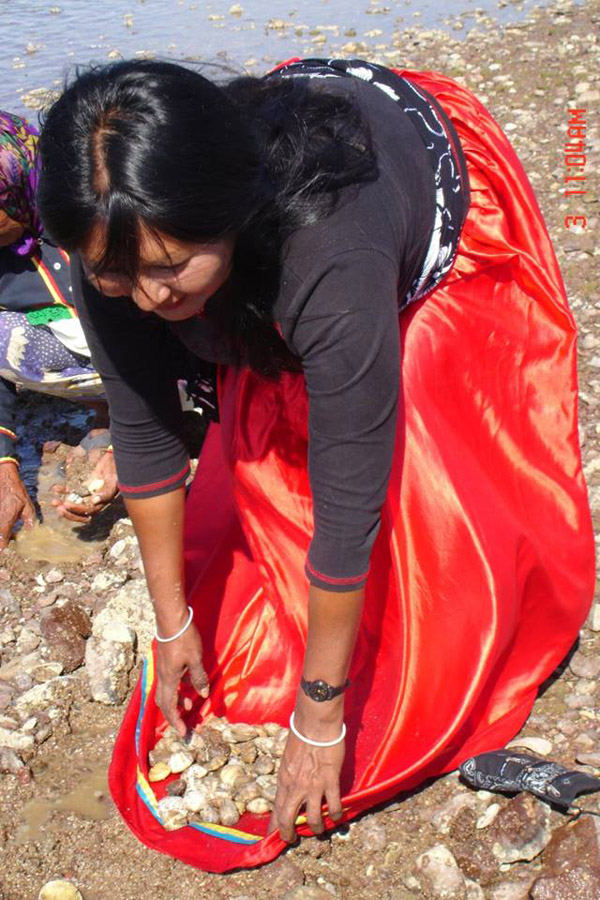
A Comcaac woman collects Aöcl (stone clams), a traditional Seri food in the estuary. Photo provided by ECOIX
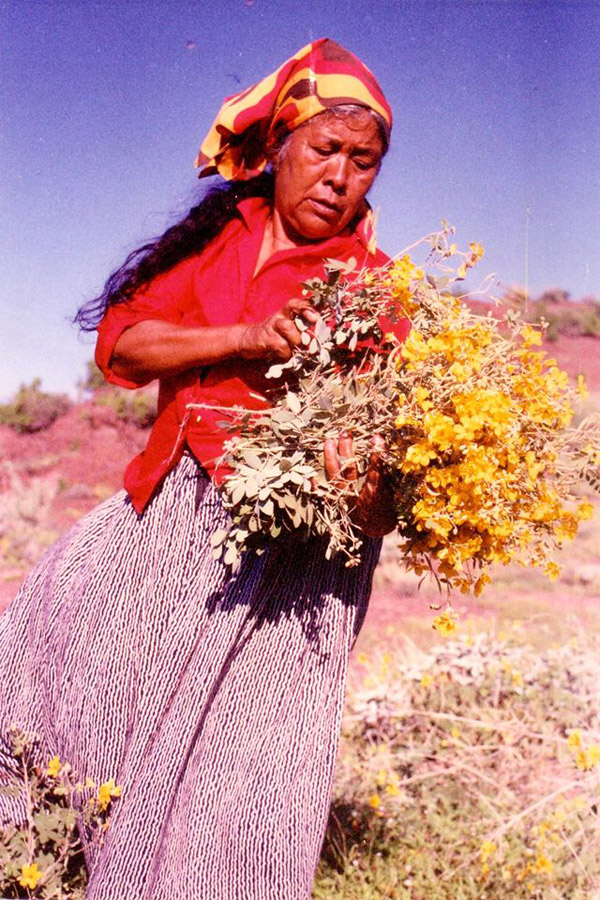
Carmelita Burgos collects medicinal plants - photo provided by ECOIX

The ECOIX Team

Mtra. Olivia Bringas Alvarado. +52 (662) 139-0602
M.C. Eduwiges Gómez. +52 (662) 155-1407
M.C. Jesús Tadeo Manrique Gallardo +52 (662) 188-2948

Visit their Facebook page

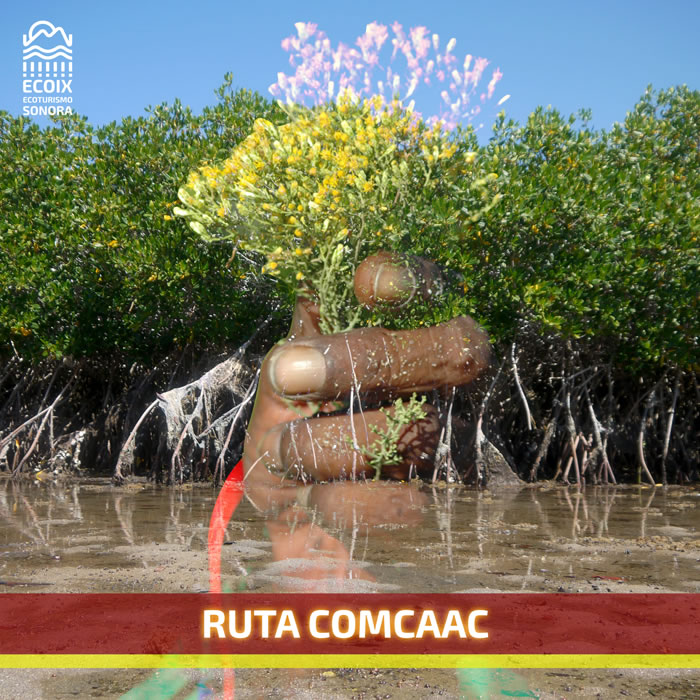
ECOIX Route of the Comcaac
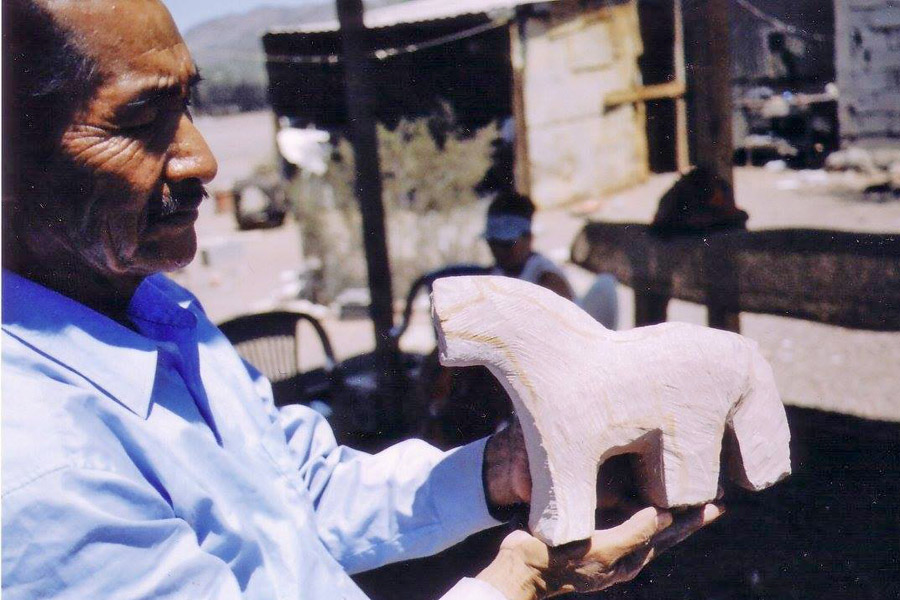
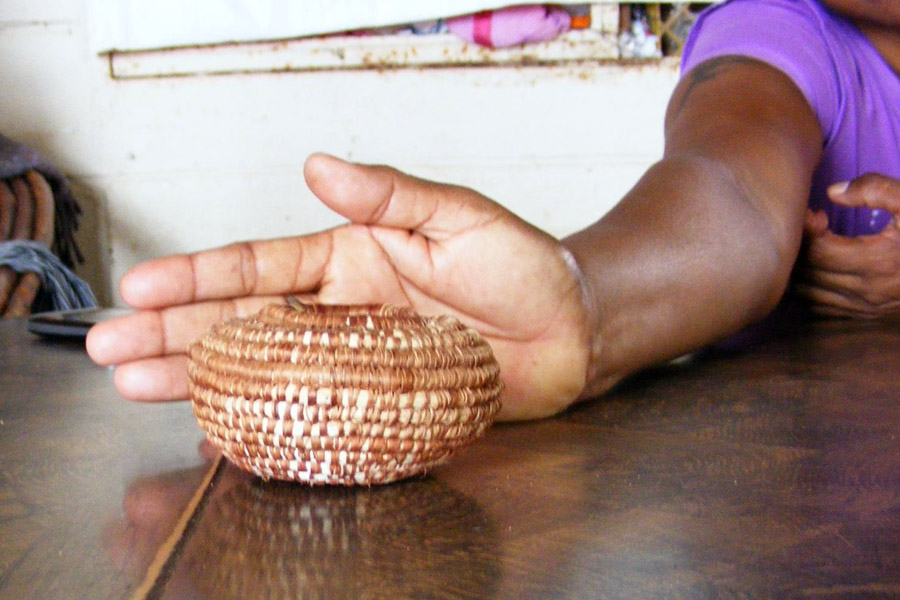
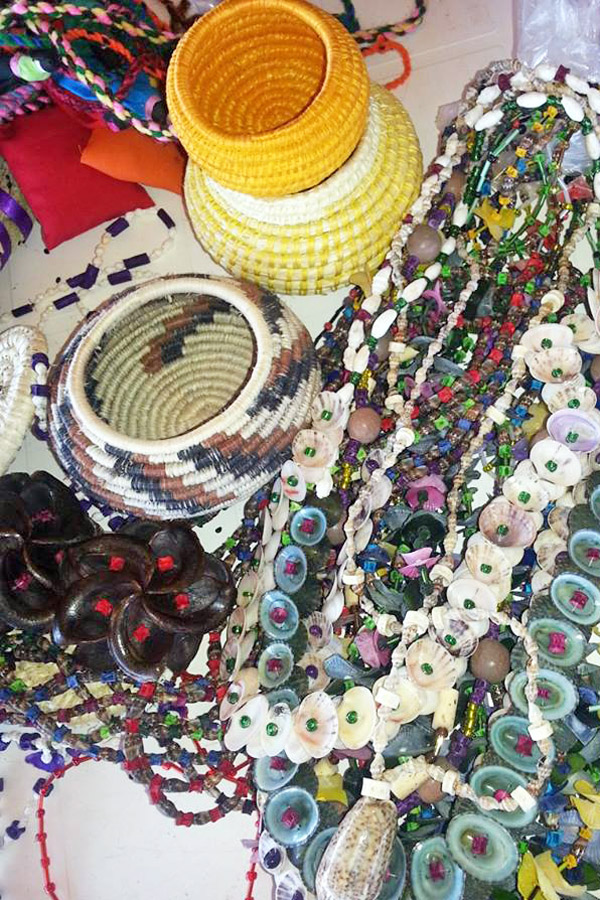
Comcaac artisan products - photo provided by ECOIX