The Yoreme (Mayo) People of Southern Sonora
People of the Shore
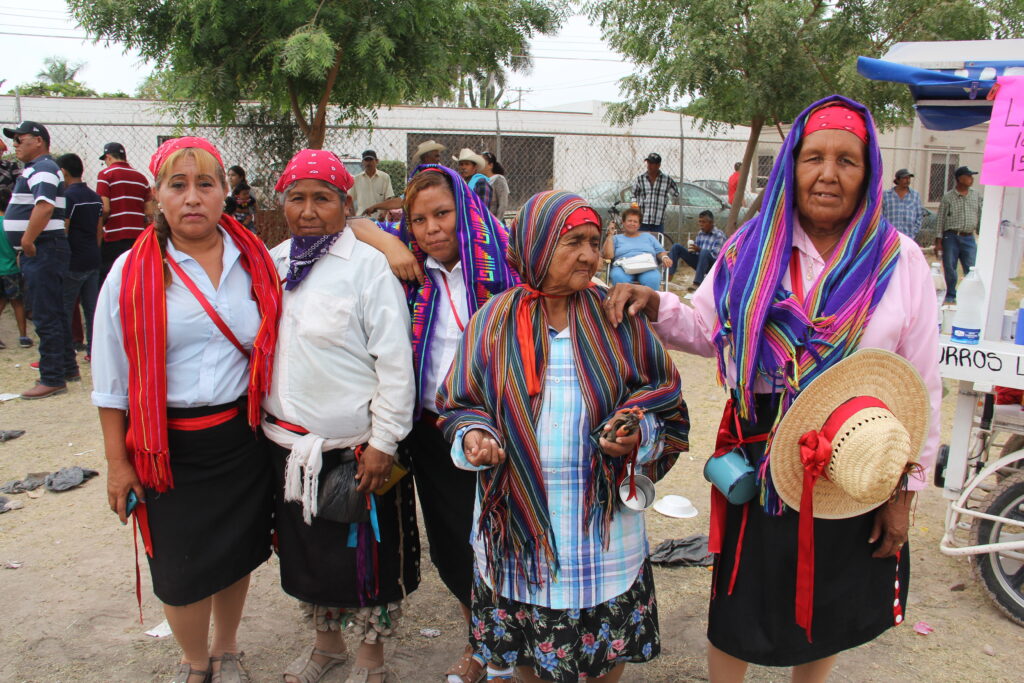
In their native language, the word Mayo is often understood as “people of the shore,” while they refer to themselves as Yoreme, meaning “the people who respect tradition.”
The traditional Mayo region extends across southern Sonora and northern Sinaloa, with the largest concentration of Yoreme Mayo communities in Sonora found in the fertile Valle del Mayo (Mayo Valley).
This region is characterized by rich alluvial soil and access to rivers and the Gulf of California, making agriculture and fishing two of the most important traditional and modern economic activities of the Mayo people.
Historical Communities
During the early 1600s, Jesuit missionaries – including Padre Mendez – established a series of mission settlements among the Mayo communities. Several of these historic pueblos continue to exist today, including Camoa, El Júpare, Etchojoa, and Pueblo Viejo (Navojoa).
Today, significant Mayo populations continue to live in and around the municipalities of Etchojoa, Huatabampo, Navojoa, Quiriego, and Álamos.
The Mayo Language
The Mayo language is closely related to Yaqui and belongs to the Taracahita branch of the Uto-Aztecan (Yuto-Nahua) language family.
Like many Indigenous languages in Sonora, the Mayo language is endangered as fewer young speakers continue to use it in daily life. However, initiatives such as Radio Indígena XEETCH in Etchojoa play an important role in preserving and revitalizing the language by broadcasting content in Mayo, Yaqui, and Guarijío.
Arts and Crafts
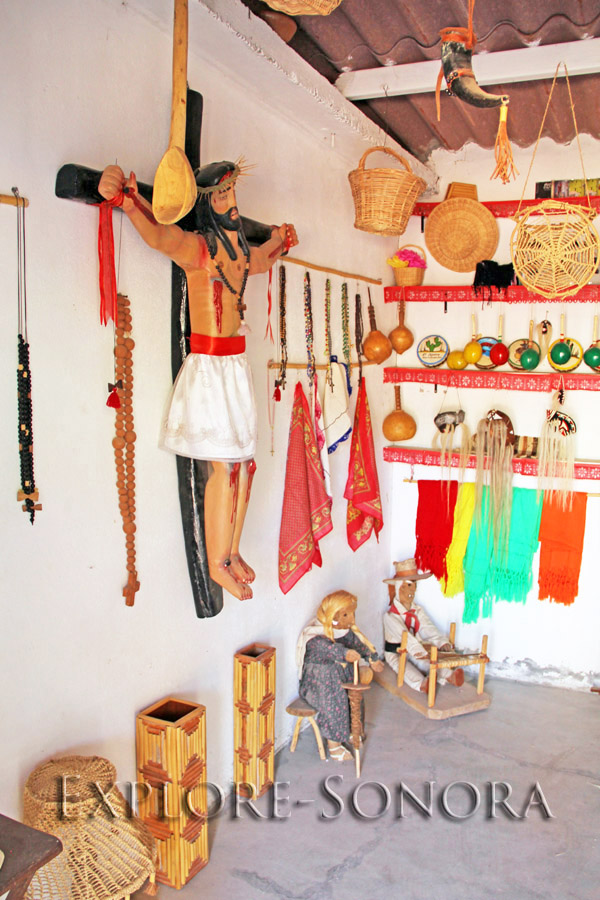
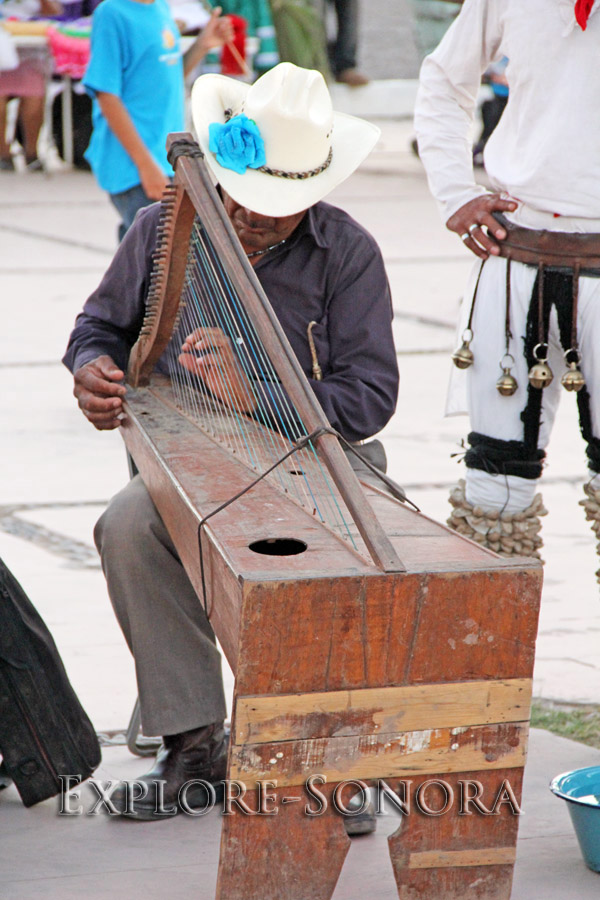
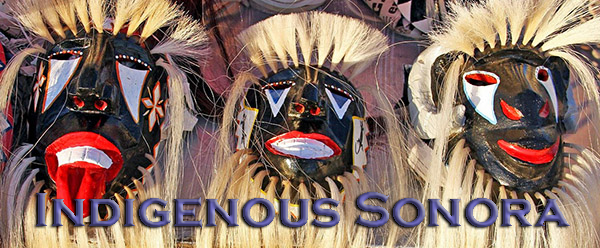
Mayo artisans are known for a wide array of traditional crafts, including woven and knitted textiles, stick baskets, wooden masks and carved figures, musical instruments, and leather goods such as belts, saddles, stools, keychains, and tehuas (traditional sandals)
These artistic traditions continue to serve both ceremonial purposes and as an important source of cultural expression and community income.
Festivals and Faith
The Yoreme Mayo maintain a deep spiritual life that blends Catholic tradition with pre-Hispanic cosmology and reverence for the natural world.
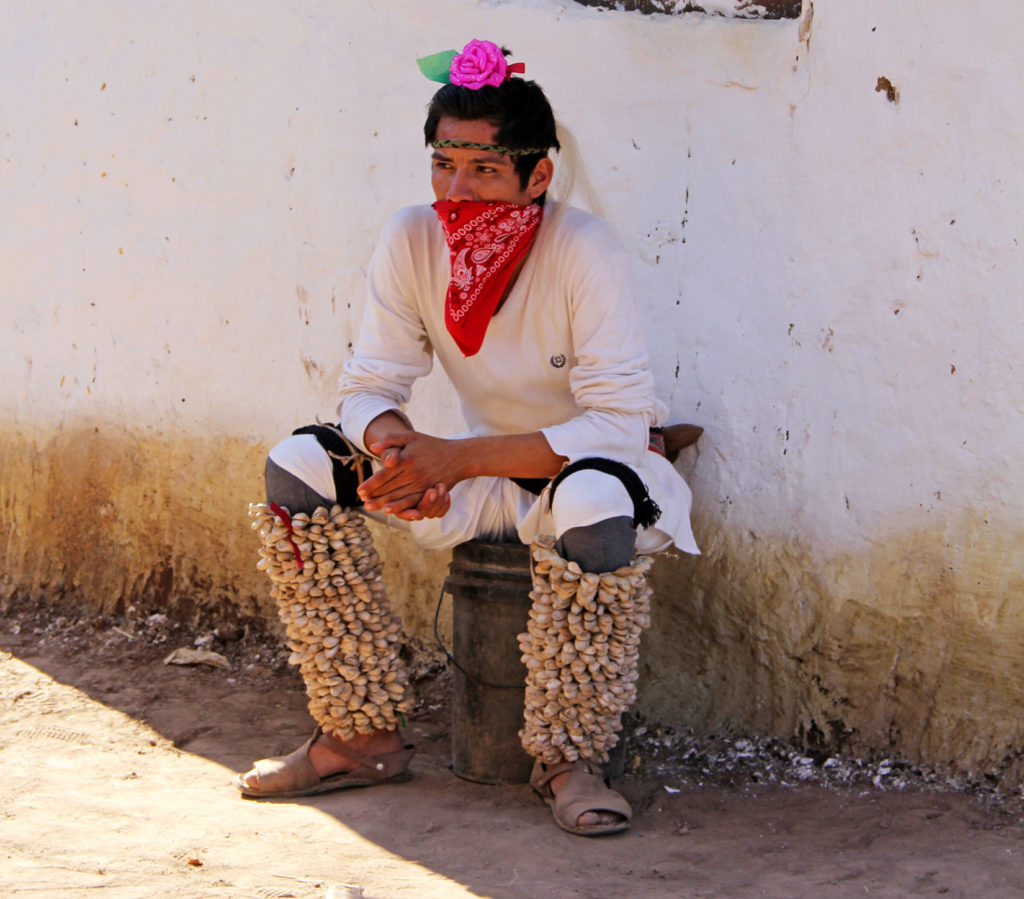
Throughout the year they commemorate important religious and cultural celebrations, many of which involve elaborate ceremonies, dances, music, and ceremonial clothing.
Major Annual Observances
Annual festivities celebrated by the Mayo Indians are:
- Semana Santa (Holy Week)
- Cuaresma (Lent and Easter season)
- Feast day of San José (June 24)
- Santísima Trinidad (Holy Trinity – Sunday after Pentecost)
- San Ignacio de Loyola (July 31)
- Feast day of the Holy Cross (Santa Cruz – September 14)
- Día de Muertos (November 2)
- Feast day of the Virgen de Guadalupe (December 12)
These celebrations continue to strengthen community identity and preserve ancient ceremonial traditions passed down through generations.