
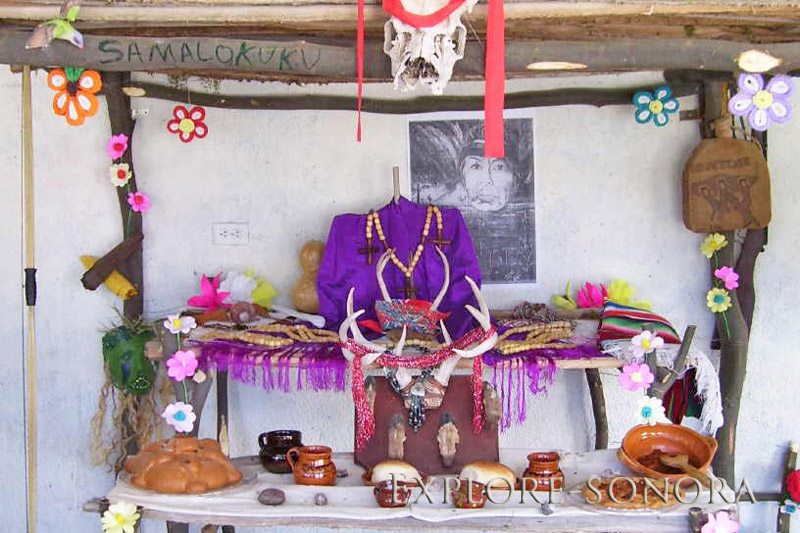
The Yoeme Yaqui
A Living Spirit of Resistance, Identity, and Ceremony
The Yaqui people, who call themselves Yoeme (“The People”), are one of the most historically significant and culturally resilient Indigenous nations of Sonora and northern Mexico.
Their ancestral homeland lies along the Yaqui River Valley, stretching from the Sierra Madre Occidental to the Gulf of California, just south of present-day Ciudad Obregón.
For centuries, the Yaqui have stood as powerful guardians of their land, water, language, spirituality, and autonomy.
Today, the Yaqui people represent a spiritual and cultural bridge between ancient Mesoamerican roots and a living, modern Indigenous identity that extends across northern Sonora and into Arizona.
History: Warriors, Survivors, and Protectors of the River
The Yaqui resisted Spanish colonization for more than 250 years – longer than almost any other Indigenous group in the Americas.
When the Spanish arrived in the early 1600s, the Yaqui initially formed limited alliances with Jesuit missionaries, who introduced Christianity. However, the Yaqui never abandoned their own spiritual identity.
Over time, as colonial land seizure intensified, the Yaqui revolted again and again to protect their territory and their water, which they saw not as property, but as sacred.
In the late 1800s and early 1900s, the Mexican government under Porfirio Díaz waged an especially brutal campaign against the Yaqui. Thousands were forcibly captured and sold into slavery on henequen plantations in Yucatán. Entire villages were emptied. Yet, the culture did not die.
Many Yaqui fled north into Arizona, where today there is a federally recognized tribe: the Pascua Yaqui Tribe, centered in and around Tucson. Meanwhile, in Sonora, the Yaqui continue to inhabit eight traditional pueblos: Vícam, Pótam, Tórim, Bácum, Cócorit, Huirivis, Rahum, and Belem.
These villages still function within a traditional governance structure rooted in elder councils and ceremonial authority.
The Yaqui remain deeply engaged in the modern struggle for water rights, especially around the diversion of water from the Yaqui River – a sacred source of life and identity.
Territory and the Sacred River
For the Yaqui, the Yaqui River is not merely geography – it is the life source, the ancestor, the spiritual cord that connects them to the Earth.
Water for the Yoeme is sacred, ceremonial, ancestral, and communal.
Modern industrial and agricultural diversion of the Yaqui River has been a major source of conflict. The Yaqui continue to advocate for environmental justice and autonomy over traditional resources.

Culture and Identity
The Yaqui culture is known for its deep spirituality, ceremonial richness, and devotion to community. Their worldview is one in which the physical and spiritual worlds always exist alongside one another.
Core values include respect for ancestors, collective responsibility, harmony with nature, ceremony as a way of life, oral history and storytelling, and strong clan relationships.
They have preserved a unique blend of Indigenous cosmology and adapted Catholic symbolism – not as submission, but as transformation.
Ceremonial Dances and Spiritual Life
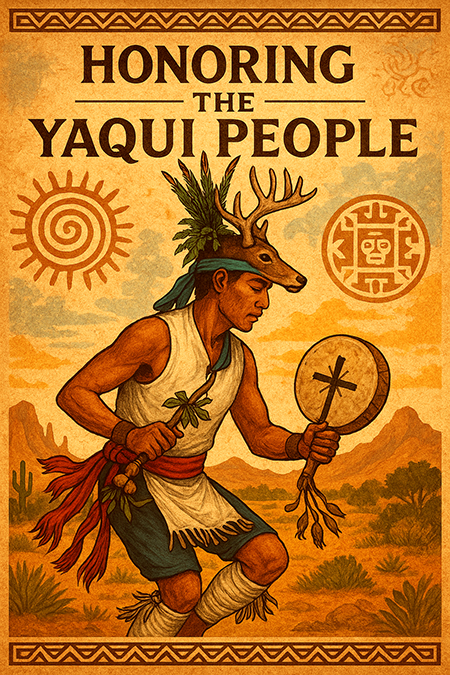
The Yaqui are world-renowned for their ceremonial dances, which are not simply performances – they are prayers in movement.
Notable Yaqui Dances
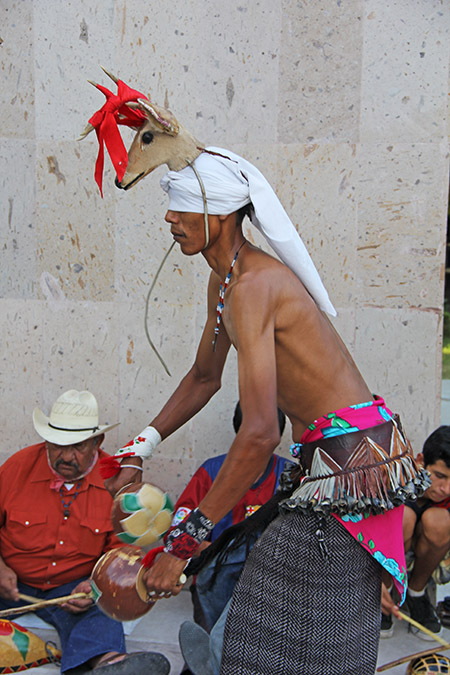
The Deer Dance (Danza del Venado)
The dance represents the deer, sacred messenger of the forest. It is performed with ankle rattles made of cocoons, and is a prayer for balance and survival.
The Pascola Dance
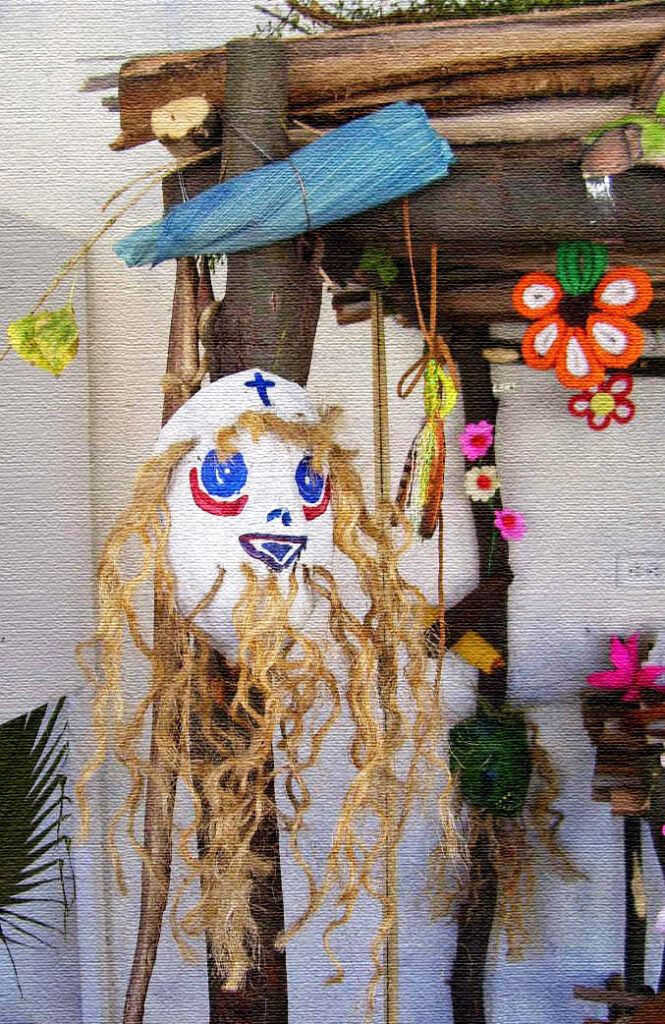
The Pascola dancer is a trickster and spirit dancer who mixes humor and sacred symbolism.
The Matachines Dance
Matachin dancers present a Catholic-Indigenous synthesis that honors spiritual victory and transformation.
The dances are especially prominent during Holy Week (Semana Santa), a period when the Yaqui villages transform into sacred spaces of ritual, masks, music, silence, and devotion.
Holy Week in a Yaqui pueblo is one of the most spiritually powerful Indigenous ceremonies in North America.
Yaqui Arts and Crafts
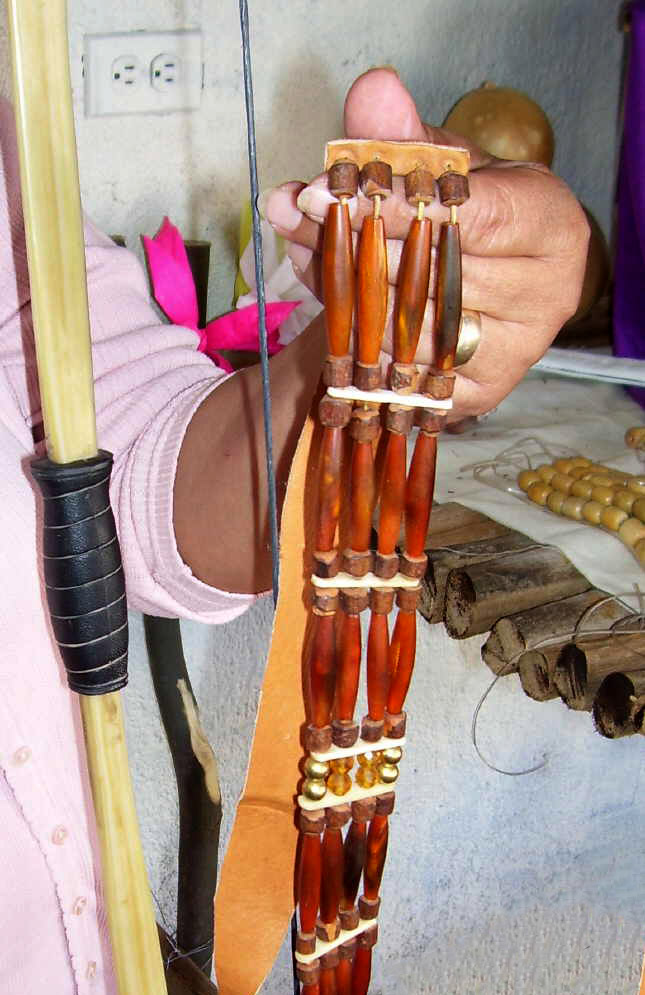
Yaqui art is functional, ceremonial, and deeply symbolic. Traditional crafts include:
- Masks (for Pascola and Cahita ceremonies)
- Drums made from deerskin
- Rattles made from butterfly cocoons
- Wood carvings
- Embroidery and weaving
- Traditional clothing
Each object has meaning – it is not decoration; it is a container of spirit.
The Yaqui Language
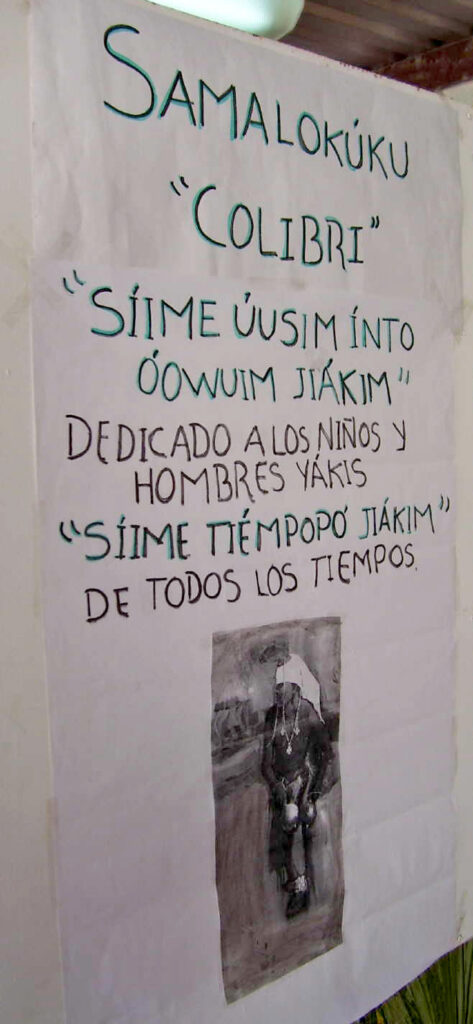
The Yaqui language (Yoemem Noki) belongs to the Uto-Aztecan family and is closely related to the Mayo language.
Efforts in both Sonora and Arizona are underway to revitalize and teach the language to younger generations through community schools, language programs, cultural immersion workshops, and university partnerships.
Preserving this language is critical to maintaining cultural sovereignty.
Yaqui Life Today
Today, the Yaqui people stand at the intersection of ancient wisdom and modern activism. Many Yaqui are artists, environmentalists, educators, cultural ambassadors, spiritual leaders, and political advocates.
They continue to fight for water rights, land protection, cultural recognition, environmental sustainability, and autonomy and self-determination.
The Yaqui story is not just history – it is present, alive, and rising.
Why This Matters to Sonora (and to Explore Sonora)
The Yaqui are part of the soul of Sonora.
To understand Sonora without understanding the Yaqui is to see only the surface. Their resistance shaped the region’s political history.
Their ceremonies shaped its spiritual identity. Their struggle for water today echoes global movements for Indigenous rights and environmental stewardship.
By honoring the Yaqui story, Explore Sonora becomes not just a travel site – but a living archive of resilience and truth.
Learn More about the Yoeme Yaqui
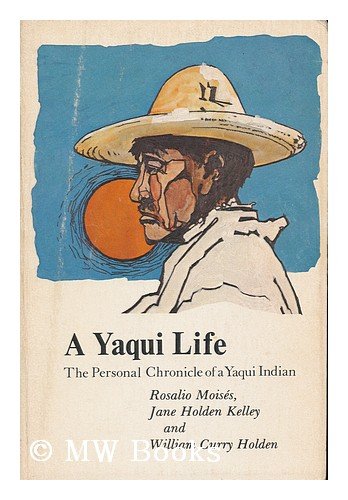
A Yaqui Life
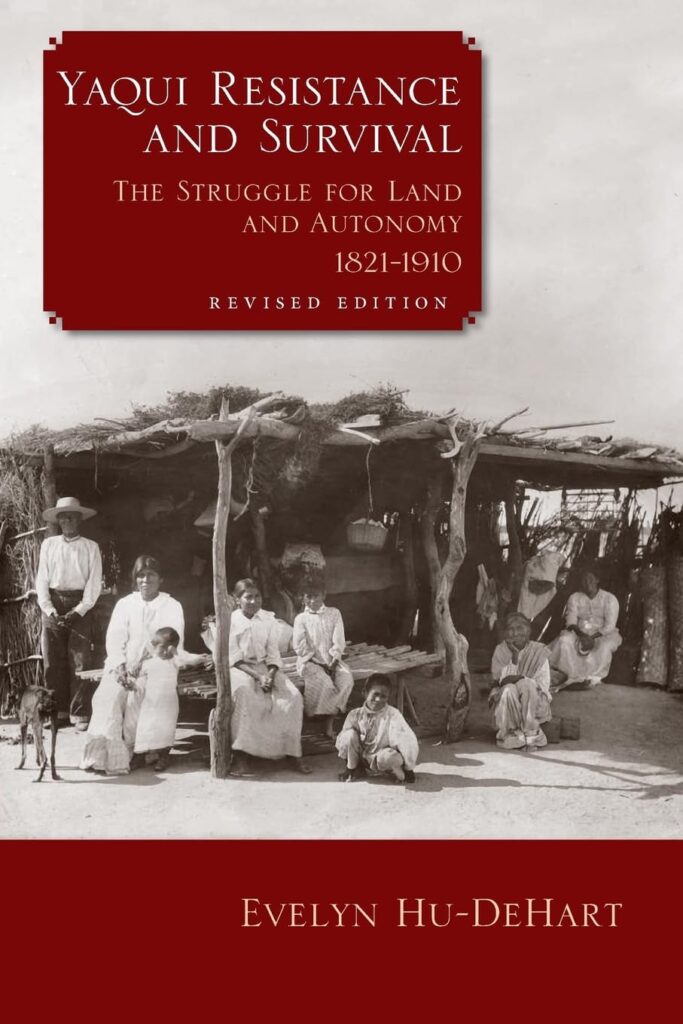
Yaqui Resistance and Survival
Yaqui Myths and Legends
A Yaqui Way of Knowledge
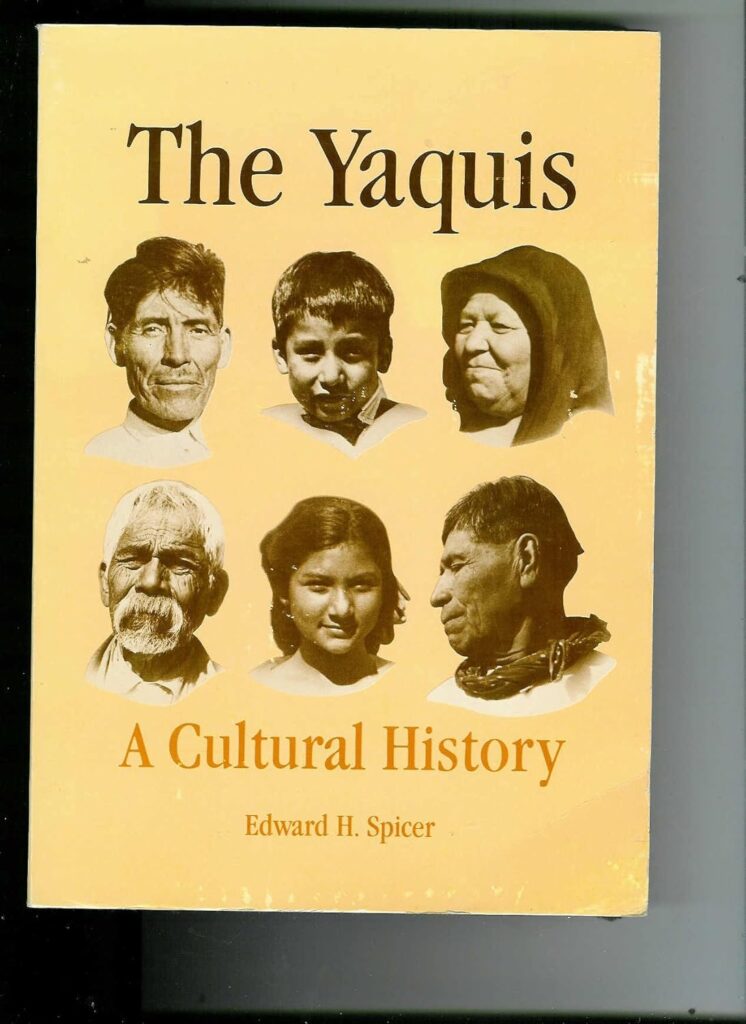
The Yaquis A Cultural History
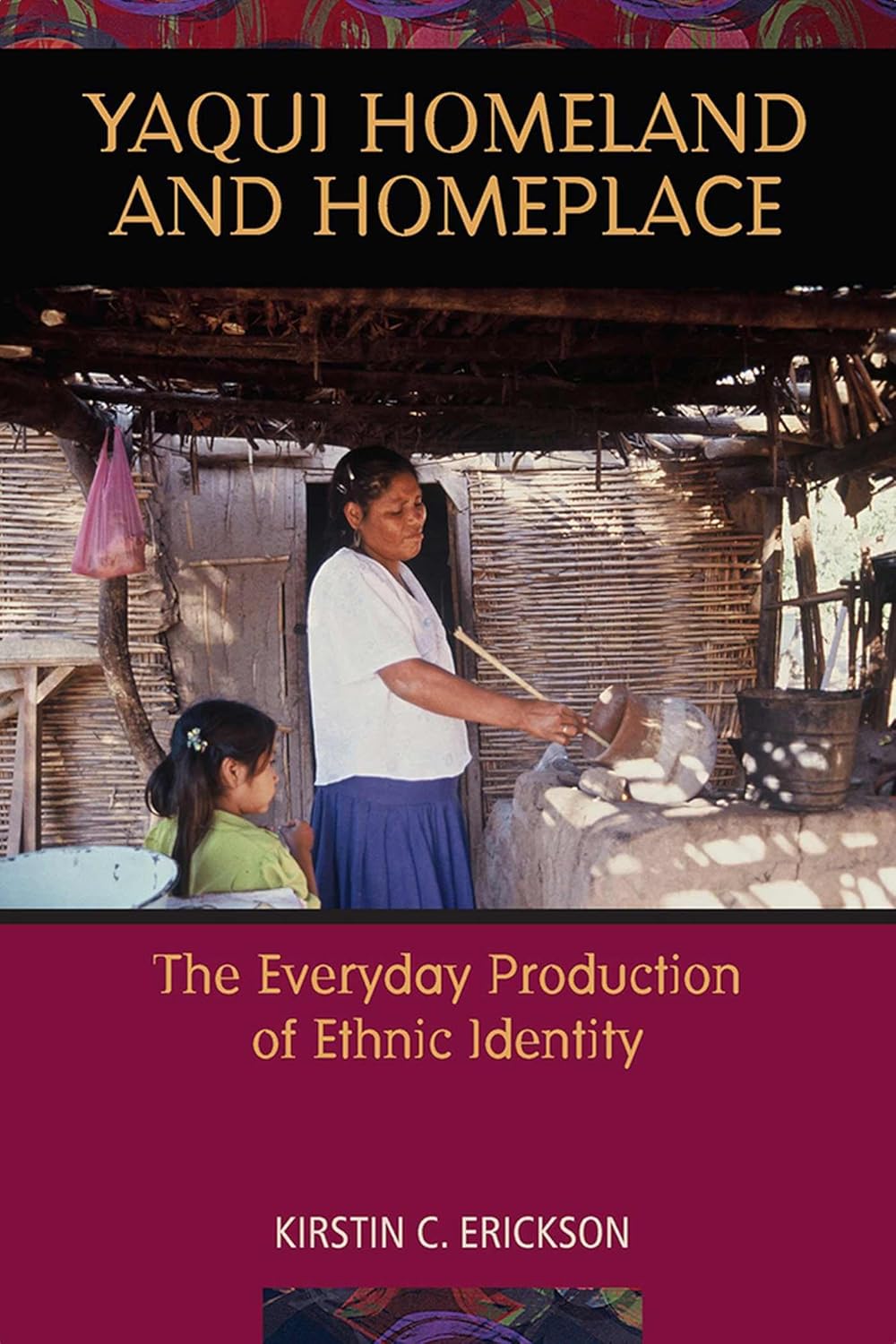
Yaqui Woman and the Crystal Cactus