Pima–O’ob – Akimel O’odham
The River People
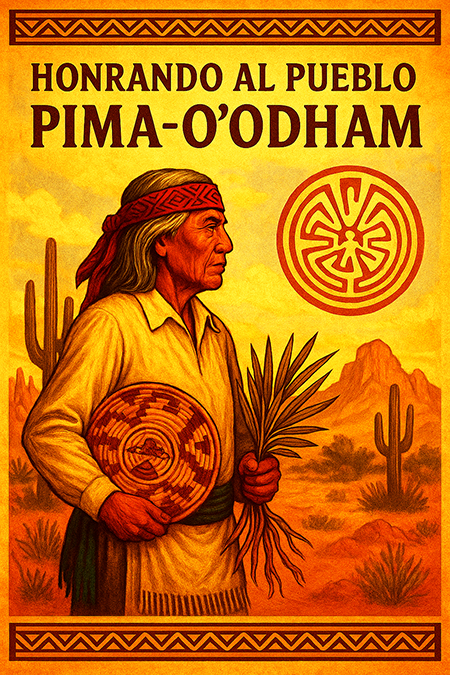
The people often referred to historically as the Pima call themselves Akimel O’odham, which means “People of the River.” The term Pima is believed to have originated from a misunderstanding during early Spanish contact; outsiders misheard a phrase meaning something like “I don’t understand” and applied it as a name for the people.
They traditionally lived along the rivers of what is now central and southern Arizona and northern Sonora, especially along the Gila River and the Santa Cruz River – making them ecological cousins of the Yaqui, who are tied to the Río Yaqui.
Together, they form part of a larger O’odham world that includes:
- Akimel O’odham – River People (Pima)
- Tohono O’odham – Desert People (formerly Papago)
- Hia-Cĕḍ O’odham – Sand Dune People (coastal Sonora)
Traditional Territory
Historically, Pima–O’ob territory extended across Southern Arizona and Northern Sonora, especially the Sonora River basin regions. The Sonoran Desert river systems ecosystem is essential to food, trade, and spirituality.
Their survival in one of the world’s harshest climates is a testament to extraordinarily advanced environmental and agricultural knowledge.
They developed some of the most sophisticated desert irrigation systems in the pre-Columbian Americas – canals that later settlers reused for Arizona’s modern agricultural system.
Masters of Desert Agriculture
The Akimel O’odham were known for sustainable farming methods adapted to desert conditions. They practiced floodwater farming and canal-based irrigation long before Europeans arrived, growing corn (maize), squash, beans, cotton, amaranth, and tepary beans.
The arrival of settlers, dams, and modern agriculture diverted their water supply – which devastated traditional farming and led to many of the economic and social struggles the community continues to face today.
Their water story parallels what the Yaqui experience further south.
Culture and Spiritual Beliefs
The Pima–O’ob worldview, like the Yaqui, is centered on balance and respect for the land. Key beliefs and values include:
- The Earth is sacred and alive
- Water is life
- All living things are interconnected
- Ancestors are present in nature
- Oral stories are sacred history
- Community comes before individual
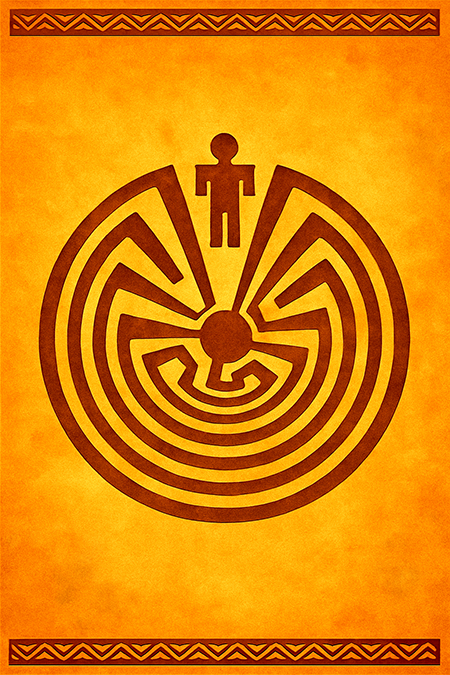
Like the Tohono O’odham, Pimas believe in I’itoi (Elder Brother / Man in the Maze) – a central spiritual figure who taught the people how to live, endure, and survive in the desert.
The famous Man in the Maze symbol represents the journey of life, with choices, struggles, and wisdom at its center.
Basketry and Arts
The Pima–O’ob are world-renowned for their basketry, considered among the finest Indigenous basket traditions in the Americas.
Baskets are made using materials like willow, devil’s claw, bear grass, and yucca fibers. Each pattern is symbolic and can represent the sun, water, mountains, migration, or life’s journey.
The baskets are not only beautiful – they are storytelling vessels.
Language
They speak O’odham Ñe’okĭ, part of the Uto-Aztecan linguistic family, related to languages spoken throughout northern Mexico and the American Southwest.
There is an increasing modern push to revitalize the language in both Arizona and Sonora.
The Pima–O’ob Today
Today the Akimel O’odham are centered primarily in the Gila River Indian Community and the Salt River Pima–Maricopa Indian Community.
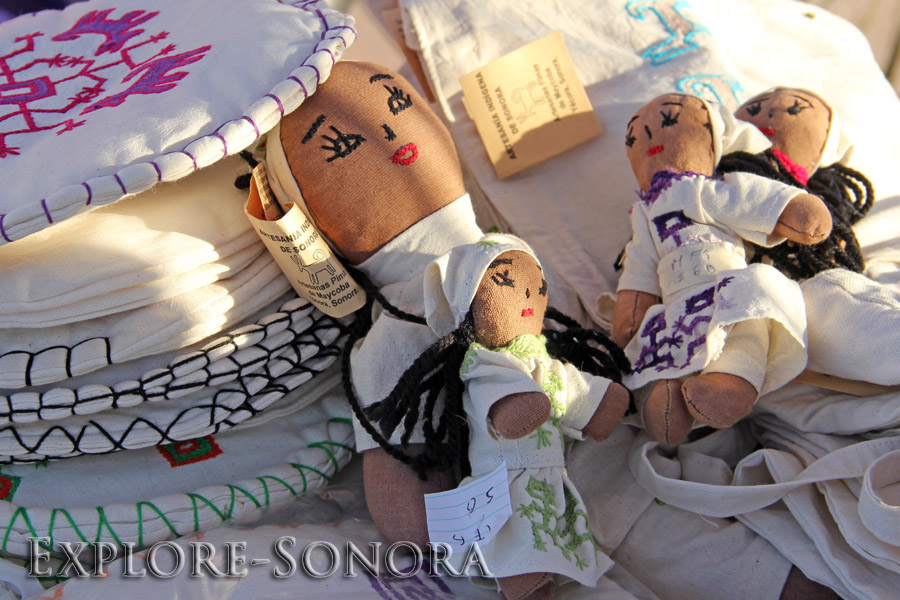
Meanwhile, O’odham relatives in Sonora continue preserving traditions on both sides of the border.
Modern struggles and revival efforts focus on water rights, health, diabetes prevention, cultural survival, language preservation and revitalization, education, and environmental stewardship
And like the Yaqui – the spirit is not fading. It is strong.
Why the Pima–O’ob Matter to Sonora (and Explore Sonora)
Their story is part of the original identity of the Sonoran Desert. Their agricultural systems, place names, trails, spiritual beliefs, and survival wisdom shaped the region long before borders existed. To honor Sonora’s living story, the Pima–O’ob are an integral part.