Cananea, Sonora, Mexico
The historic Sonoran mining community of Cananea, located in Northeastern Sonora about a one-hour drive from Naco, Arizona, is the city located at the northernmost end of Sonora highway 8 (or 89). Cananea is one of Sonora’s most historically significant and visually striking cities, a mountain mining community located in northeastern Sonora, about one hour south of Naco, Arizona, along Highway 2 and the northern gateway to the Route of the Río Sonora.
The region was originally inhabited by native Pima and Opata peoples, and Spanish explorers and Jesuit missionaries arrived in the area in the 1760s. The city is located in the mountainous region known as the Sierra Madre Occidental of Sonora, at an altitude of 4900 feet (1500 meters).
Officially known as Heroica Ciudad de Cananea, the city sits at approximately 4,900 feet (1,500 meters) in the Sierra Madre Occidental region. The municipality was established in 1901, and the city has long been shaped by a mix of Indigenous heritage, Spanish colonial influence, and industrial-era development tied to copper.
Mining: The City of Copper
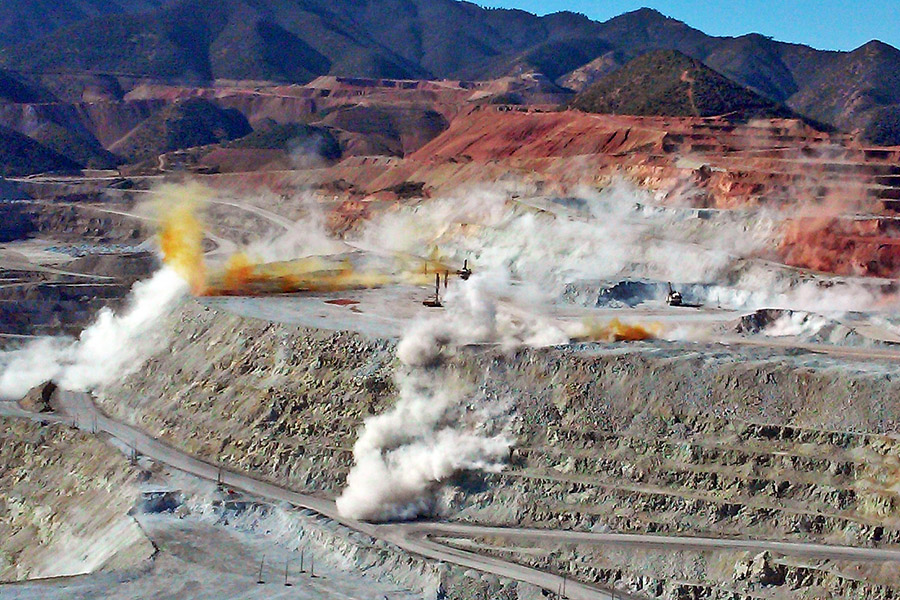
Cananea is widely known as “La Ciudad del Cobre” (the City of Copper) and for good reason. The area is home to one of the largest open-pit copper mining operations in the world, and mining has shaped Cananea’s identity for centuries.
Early mining activity dates to the 1600s, when Jesuit missions oversaw local extraction of gold and silver. Those early efforts were repeatedly disrupted by Apache raids, which also hindered later attempts to establish permanent mining operations.
By the late 1800s, mining resumed in a more sustained way. In 1889, former Sonora governor Ignacio Pesqueira sold the mines to American entrepreneur William Cornell Greene, who founded the Cananea Consolidated Copper Company, based in Nogales, Sonora.
The 1906 Strike: A Turning Point in Mexican History
Cananea is not only important economically, it is also a landmark in Mexico’s labor and political history.
In 1906, the famous miners’ strike known as La Huelga de Cananea erupted in protest of working conditions and wage inequality under the American-owned mining company. The strike was violently suppressed, and the deaths of dozens of workers became one of the major flashpoints that helped fuel the Mexican Revolution (1910–1920).
Tourism: Copper, History, and Mountain Sonora
Today, Cananea offers visitors something rare: a destination where industrial history, modern Sonoran culture, and mountain scenery come together.
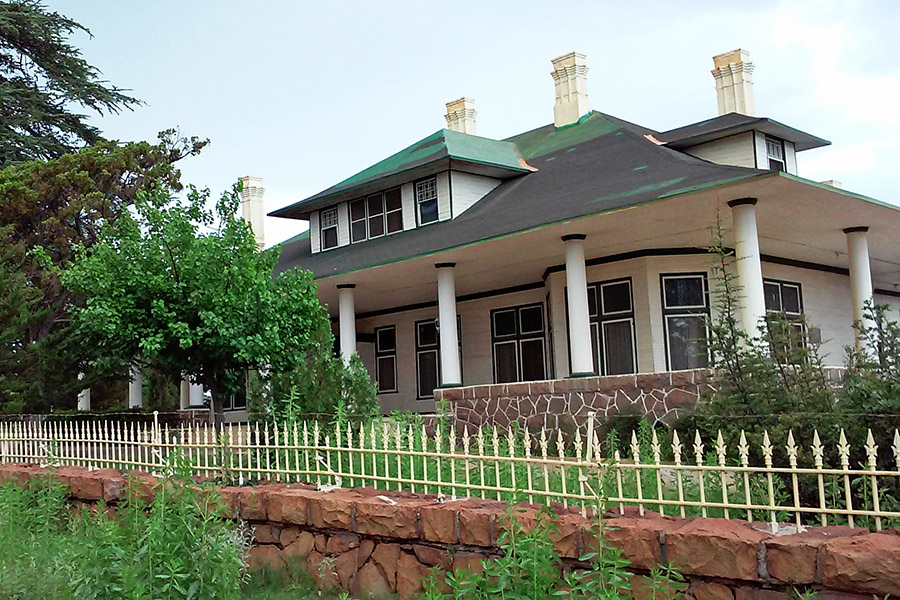
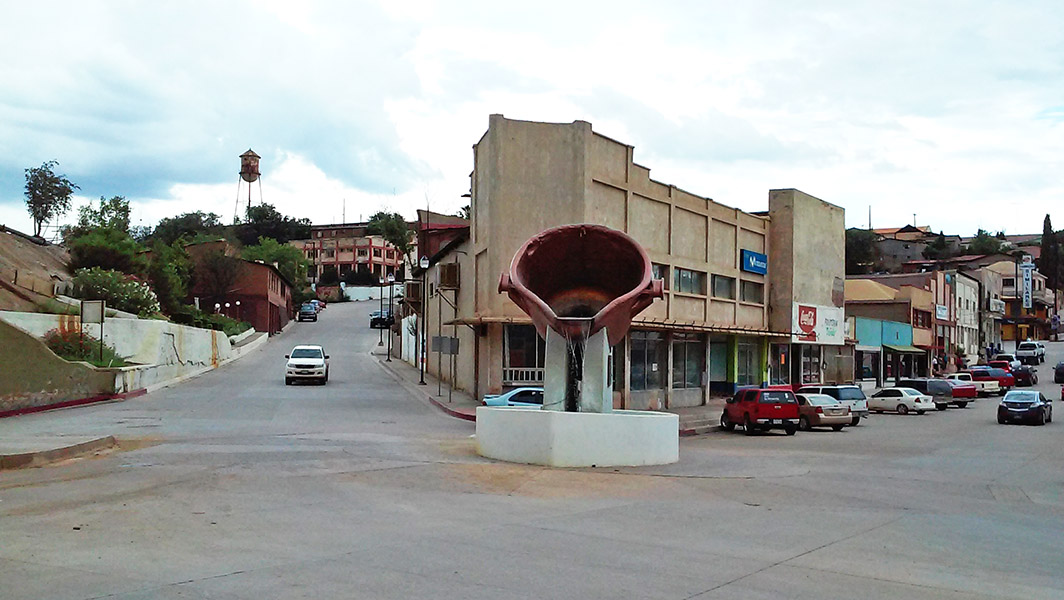
Highlights include the historic Greene Mansion, the old Cananea jail and downtown district, the Cananea Nature Park and Reserve, and, for those interested, mine-related tours and historic mining sites.
Photos courtesy of Ambos Tours of Arizona.
Rio Sonora
Aconchi
Arizpe
Bacoachi
Banamichi
Baviacora
Cananea
Chinapa
Huepac
San Felipe de Jesus
Ures
Border Region
Coastal Sonora
Northern Sonora
Central Sonora
Southern Sonora