Traditional Sonoran Indigenous Cuisine
The Flavors of the First Peoples of the Desert
Long before cattle ranches, Spanish missions, or modern cities, the original peoples of Sonora built a rich food culture rooted in the rhythms of the desert and sea.
The Yoeme (Yaqui), Yoreme (Mayo), and Comcáac (Seri) communities developed cuisines based on resilience, seasonal knowledge, and deep respect for the natural world. Their foods reflect a profound understanding of Sonora’s harsh climate and the plants and animals that thrive within it.
Many of these ingredients and cooking traditions continue to shape Sonoran cuisine today.
This page celebrates the original foods of Sonora. Humble, powerful, and still alive in the pueblos today.
A Cuisine Born from the Land
Traditional indigenous foods rely on ingredients that naturally thrive in Sonora’s desert and coastal ecosystems.
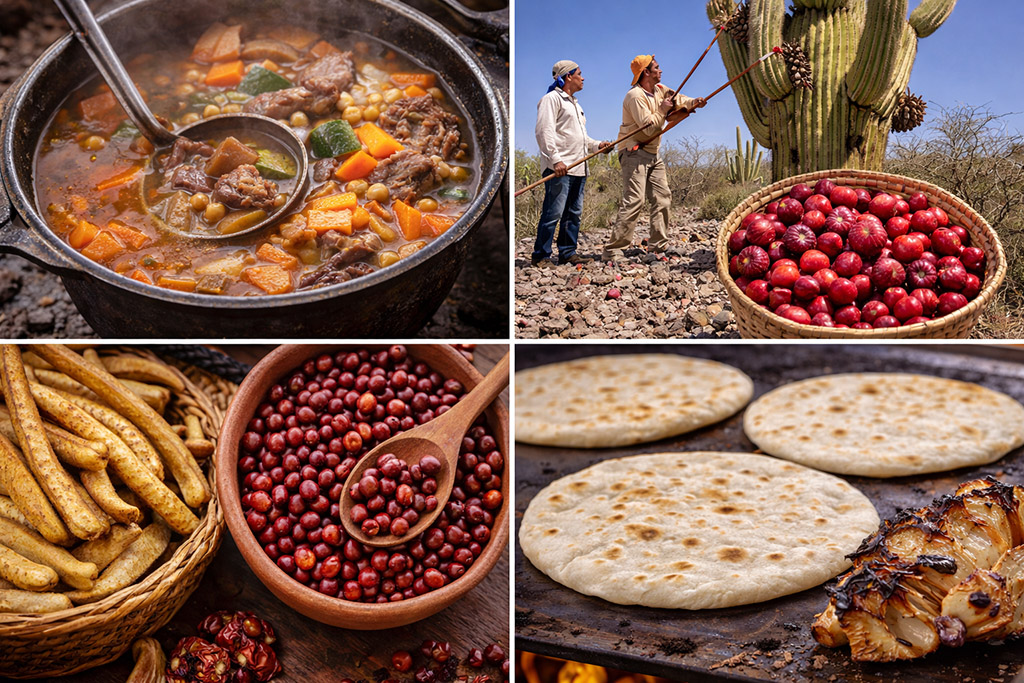
These include mesquite beans used to produce naturally sweet flour; corn, beans, and squash, the classic Mesoamerican “three sisters” crops; chiltepin, the tiny wild chile known as the queen of Sonoran chiles; native herbs and desert plants; fresh river and coastal fish; game meat and small livestock; and wild desert fruits such as sahuaro fruit and pitaya.
These ingredients formed the foundation for soups, beverages, breads, and ceremonial meals that have been passed down through generations. In many indigenous communities, the connection between food and the land remains deeply spiritual as well as practical.
Signature Indigenous Dishes of Sonora
Wakabaki (Wakavaki)
Perhaps the most iconic dish of the Yaqui and Mayo people is wakabaki, a hearty ceremonial stew.
Prepared with beef on the bone, cabbage, carrots, chickpeas, squash, and traditional spices, wakabaki is typically cooked in large pots and shared with entire communities.
The dish is closely associated with the San Juan celebrations on June 24, a festival that marks both the birth of Saint John the Baptist and the arrival of the summer rains.
More than a meal, wakabaki represents community, memory, and ceremony in a bowl.
Pitiú (Yaqui Fish Soup)
Among coastal and river communities, fish plays an important role in traditional diets.
Pitiú is a simple but deeply flavorful fish soup prepared with whole fish simmered with vegetables, herbs, and chiltepin.
The dish reflects the clean, natural flavors of the Yaqui River and the coastal waters of Sonora.
Caldo de Queso
Today considered a beloved comfort food across Sonora, caldo de queso combines fresh cheese, potatoes, tomatoes, and green chiles in a warm, rustic soup.
While widely enjoyed throughout the state, the dish is rooted in traditional home cooking influenced by indigenous foodways and agricultural practices.
Atole and Pinole
Corn has been a central ingredient in indigenous diets for thousands of years. Two traditional preparations include Atole, a warm drink made from ground corn mixed with water or milk, often lightly sweetened, and Pinole, toasted and ground corn flour that can be mixed into drinks or eaten as a nourishing food.
Both remain important during ceremonies, festivals, and daily meals in many pueblos.
Desert Harvest Foods
The Sonoran Desert offers a remarkable variety of wild foods that have been used for centuries.
Sahuaro Fruit (Bahidaj)
Harvested from the giant saguaro cactus, the fruit is used to make syrups, jams, and ceremonial beverages.
Mesquite Flour
Ground mesquite pods produce a naturally sweet flour used in breads and drinks.
Chiltepin
This tiny wild chile grows naturally throughout Sonora and provides intense heat and flavor.
Roasted Agave Heart
Agave plants have long been used as a food source, with roasted hearts producing a sweet, fibrous delicacy.
These ingredients represent some of the oldest food traditions in the region.
Food and Ceremony
In indigenous Sonora, food is inseparable from cultural and spiritual life. During major fiestas and religious celebrations, communities prepare large shared meals that may include wakabaki, tamales, fresh tortillas, sweet breads, atole, roasted meats, and vegetables.
Meals are often cooked in large communal pots and shared among families, neighbors, and visitors. In this way, food becomes a way to honor saints, ancestors, and the desert itself.
Why Indigenous Foods Matter Today
Indigenous cuisine is not a relic of the past. It is a living tradition that continues to influence modern Sonoran cooking.
These foods remind us of the challenges of desert life, the ingenuity of Sonora’s first peoples, and the continuity of culture across centuries.
Many of the ingredients that define Sonoran cuisine today, like chiltepin, mesquite, wild desert fruits, and agave, originated in indigenous food traditions. To taste these foods is to experience the deep roots of Sonora itself, because They are the foundation of everything that came after.

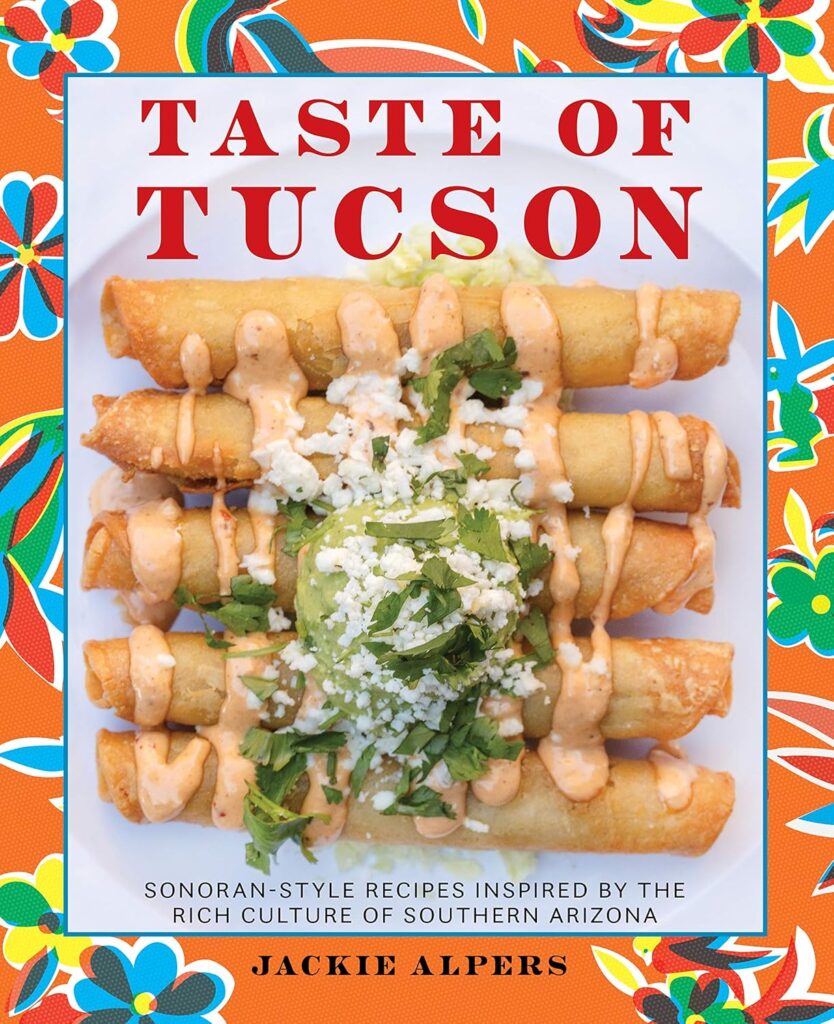

Books about Mexican Cuisine