One of Mexico’s Most Unique Food Cultures
Mexico is famous for its rich and diverse cuisine, and each region tells its own culinary story. In the northern state of Sonora, food traditions developed under conditions very different from those in central or southern Mexico.
Here, the landscape itself shaped the menu. From the rugged mountains of the Sierra Madre to the vast Sonoran Desert and the abundant waters of the Sea of Cortez, Sonoran cuisine reflects a remarkable combination of environments, cultures, and historical influences.
The result is one of the most distinctive food traditions in Mexico.
The Influence of the Desert
Much of Sonora lies within the Sonoran Desert, one of the most biologically diverse deserts in the world.
Living in this environment requires ingenuity and a deep understanding of native plants and seasonal resources. Indigenous communities such as the Yaqui, Mayo, and Seri peoples developed food traditions based on ingredients that thrived in the desert climate.
These foods included mesquite beans used to produce naturally sweet flour, wild chiles such as chiltepin, desert fruits like saguaro fruit and pitaya, roasted agave, and small game and river fish.
Many of these ingredients continue to influence Sonoran cooking today, forming the foundation of the region’s culinary identity.
Ranching and the Rise of Carne Asada
While indigenous traditions shaped the earliest food culture of Sonora, Spanish colonization introduced new animals and agricultural practices that transformed the region’s cuisine.
Cattle ranching flourished in Sonora’s wide open landscapes, eventually becoming one of the state’s defining industries.
This ranching culture gave rise to one of Sonora’s most iconic foods: carne asada.
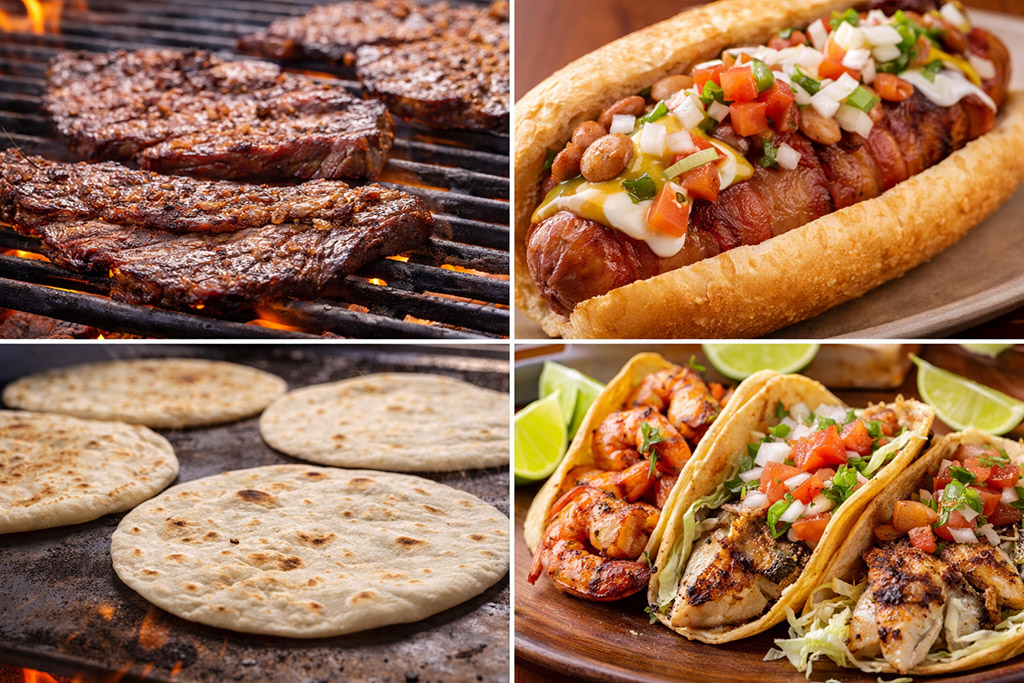
Thin cuts of beef grilled over mesquite charcoal are now a hallmark of northern Mexican cooking. Carne asada gatherings are common throughout Sonora, where grilling meat outdoors is both a culinary tradition and a social ritual.
The region’s reputation for high-quality beef remains one of the defining characteristics of Sonoran cuisine.
The Flour Tortilla Tradition
Another hallmark of Sonoran cooking is the flour tortilla.
Unlike many regions of Mexico where corn tortillas dominate, Sonora’s agricultural history made wheat an important crop. Over time, cooks developed large, thin flour tortillas that became essential to everyday meals.
These tortillas are used to prepare burritos, quesadillas, tacos de carne asada, or just simple tortillas with butter.
Today, Sonora is widely known for producing some of the best flour tortillas in Mexico.
The Abundance of the Sea of Cortez
While much of Sonora is desert, the state also borders the Sea of Cortez, one of the most biologically rich marine environments on Earth.
This coastline supports vibrant fishing communities that supply an incredible variety of seafood.
Shrimp, fish, scallops, clams, and octopus appear in dishes such as seafood tacos, ceviche, seafood cocktails, grilled whole fish, and traditional soups like cahuamanta.
In coastal towns like Puerto Peñasco, San Carlos, Bahía de Kino, and Huatabampo, seafood is often served just hours after being caught.
This freshness is one of the defining qualities of Sonoran coastal cuisine.
The Spirit of Bacanora
No exploration of Sonoran food culture would be complete without mentioning bacanora, the state’s traditional agave spirit.
Produced in the foothills of the Sierra Madre from desert agave, bacanora has a long and dramatic history. It was prohibited for decades during the early 20th century before being legalized again in 1992.
Today, bacanora is experiencing a revival and is increasingly recognized as a symbol of Sonoran heritage.
A Culture of Generosity
Perhaps the most striking feature of Sonoran food culture is its spirit of generosity.
Meals are often large, communal, and meant to be shared. Whether at a carne asada gathering, a coastal seafood restaurant, or a street taco stand, food in Sonora is rarely just about nourishment.
It is about family, community, celebration, and hospitality. Visitors quickly discover that meals in Sonora often become social events that can stretch long into the evening.
A Culinary Identity All Its Own
Sonoran cuisine reflects a rare combination of influences. It draws from indigenous desert traditions, Spanish ranching culture, coastal fishing communities, and northern Mexican culinary creativity. Few regions combine desert foods, ranch cooking, and coastal seafood in such a distinctive way.
For travelers exploring the state, discovering Sonoran cuisine offers a deeper understanding of the land and the people who call it home.
Discover the Flavors of Sonora
To explore Sonora’s food culture further, read more information about Sonoran indigenous foods, Sonoran street food, seafood from the Sea of Cortez, and bacanora, Sonora’s traditional spirit.
Together, these traditions form one of the most unique culinary landscapes in Mexico.

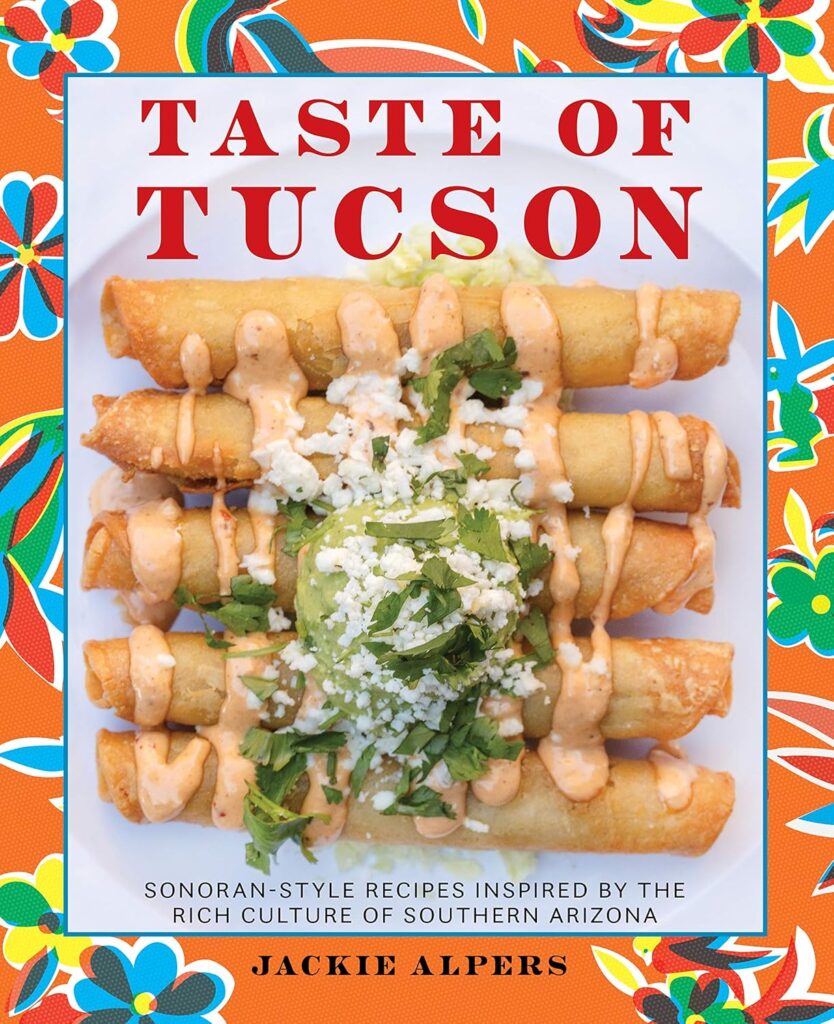

Books about Mexican Cuisine