Springtime in Sonora (March – May)
Weather, Wildflowers, Culture, and the Best Time to Explore
Spring is one of the most rewarding seasons to visit Sonora.
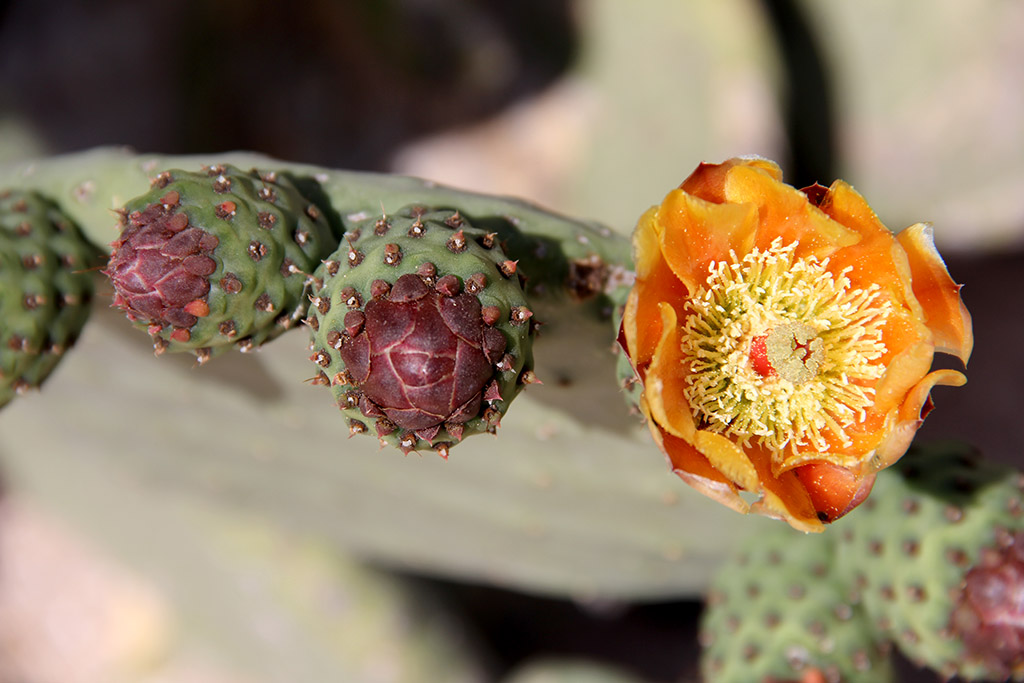
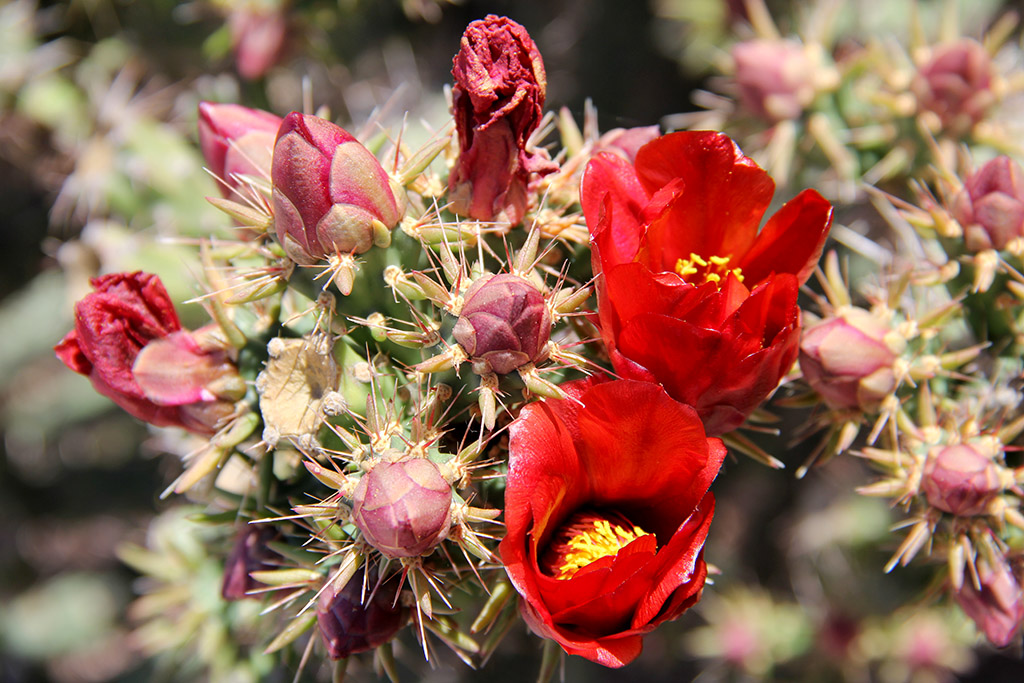
After the cool winter months, the desert begins to warm but the intense summer heat has not yet arrived. Days become sunnier and longer, the air turns crisp and clear in the mornings, and Sonora’s landscapes start to shift in subtle but beautiful ways: desert plants wake up, the first wildflowers appear, and coastal communities begin preparing for their busiest travel period of the year.
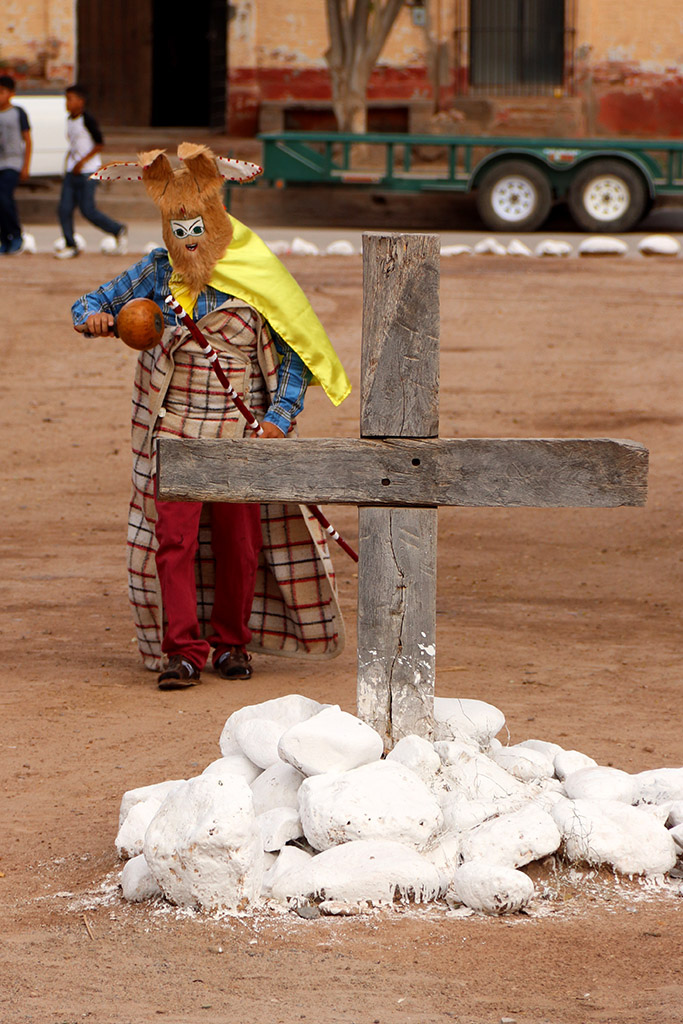
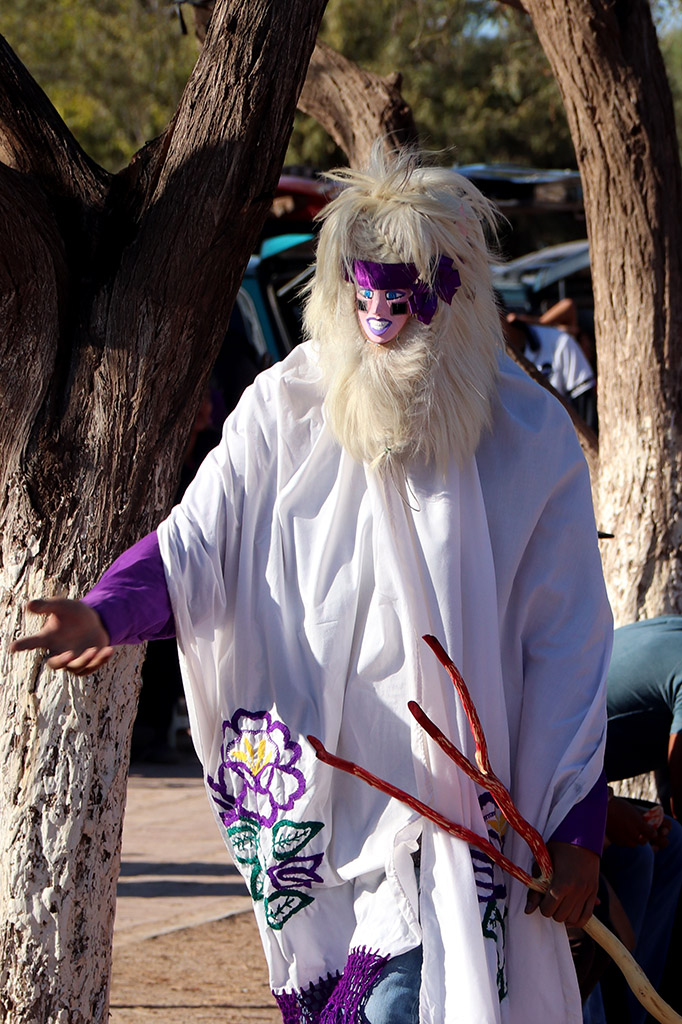
Spring is also one of Sonora’s most culturally significant seasons. The region transitions from Carnaval into Lent, and then into Semana Santa, a period that brings together faith, family, and deep Indigenous tradition, especially in Yaqui and Mayo communities.
For travelers, spring offers an ideal combination: comfortable weather, unforgettable cultural experiences, and some of the most scenic desert and coastal conditions of the year.
Spring Weather
Spring weather in Sonora varies depending on where you go — and that’s part of what makes the season so special.
Desert Cities (Hermosillo, Nogales, Magdalena, Caborca)
In the central and northern parts of the state, spring usually brings warm daytime temperatures and cooler nights. It is often the most comfortable time of year for exploring historic plazas, markets, missions, and small towns, especially before May begins pushing toward summer heat.
The Sierra (Arizpe, Cananea region, Moctezuma, Yécora)
Higher elevations in the Sierra remain cooler and greener. Spring is a beautiful time to explore mountain towns and rural communities, with a slower pace and a different side of Sonora than most visitors expect.
The Coast (San Carlos, Guaymas, Bahía de Kino, Puerto Peñasco)
Along the Sea of Cortez, spring is prime season. The water begins warming, skies stay clear, and coastal towns come alive with visitors during Semana Santa and Easter week. It’s also a great time for fishing, snorkeling, and beach travel before summer humidity arrives.
Subtropical South (Álamos, Navojoa, Huatabampo, Etchojoa, Río Mayo region)
Spring in southern Sonora often feels softer and greener than the central desert.
The region is closer to a subtropical ecosystem influenced by river valleys, agriculture, and lower-elevation terrain. Days warm quickly, and by late April and May the air can feel more humid — especially compared to Hermosillo, Nogales, or the Sierra.
This part of Sonora is a great spring destination for travelers who enjoy lush landscapes, historic towns like Álamos, traditional food culture, and a slower pace of life with the bonus that many Indigenous and religious traditions become especially visible in the south during the Lenten season.