Sonoran Seasons
A Year-Round Guide to Weather, Culture, and When to Visit
Sonora is a state of dramatic landscapes and equally dramatic seasons.
From the high desert and pine-covered mountains of the Sierra Madre to the subtropical valleys of southern Sonora and the warm waters of the Sea of Cortez, Sonora offers visitors a year-round mix of outdoor adventure, cultural tradition, and unforgettable scenery.
Each season has its own character. Not only in weather, but in what Sonorans celebrate, where people travel, and what visitors can experience. Whether you want cool mountain air, coastal sunsets, spring festivals, Indigenous ceremonies, or the monsoon’s desert transformation, the rhythm of the year matters in Sonora.
Spring in Sonora
Spring (March-May): Sonora’s Golden Season
Spring is widely considered the best time to visit Sonora. The days are warm and bright, the nights are still comfortable, and the state comes alive with outdoor festivals, coastal travel, and cultural celebrations.
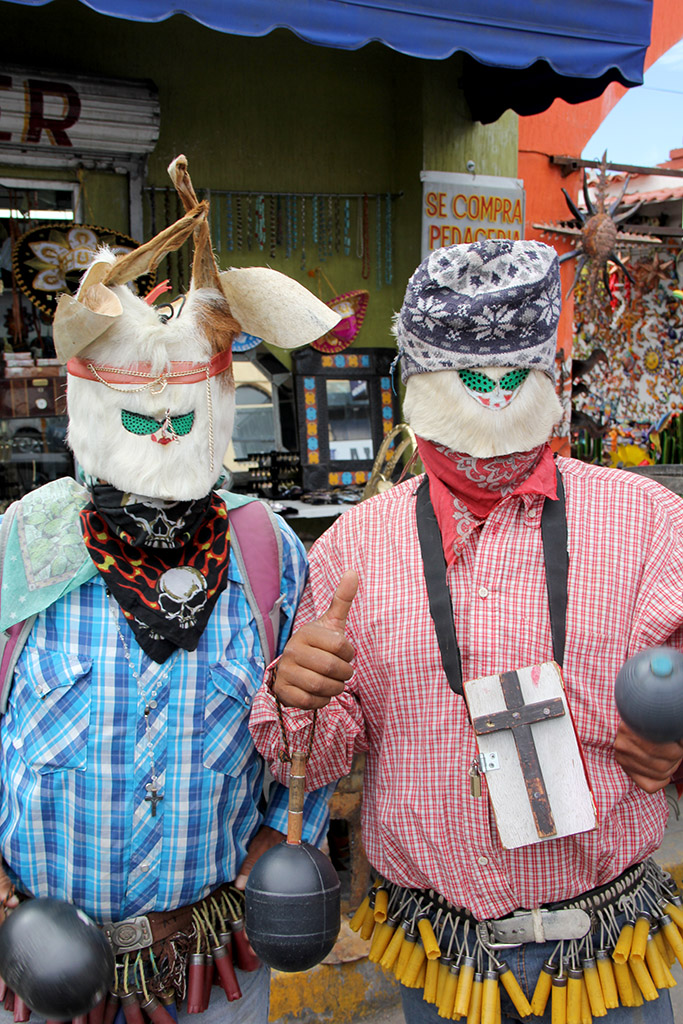
Spring also overlaps with some of Sonora’s most important religious and ceremonial traditions, like the Indigenous Lenten and Holy Week observances in Yaqui and Mayo communities.
In southern Sonora, spring often feels more subtropical, with greener landscapes and warmer evenings, especially around the Río Mayo and Río Yaqui regions.
Best for: festivals, hiking, beaches, cultural travel, road trips
Featured events: Semana Santa, Festival del Pitic, outdoor season in San Carlos and Puerto Peñasco
Summer (June–September): Heat, Coast, and the Monsoon
Summer in Sonora is intense, especially in the central and northern desert regions. Hermosillo and surrounding areas regularly see extreme heat. But Sonora doesn’t shut down; it shifts.
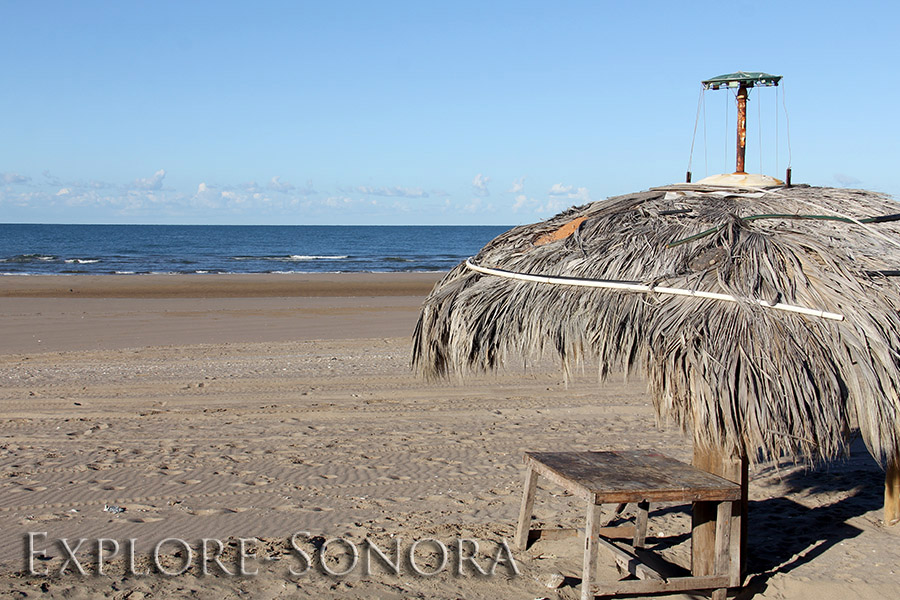
The coast becomes the center of life, and mountain communities offer cooler temperatures and a different kind of Sonoran summer. In many areas, the monsoon season brings dramatic skies, evening storms, and bursts of desert greenery.
Summer is also the season of regional flavors, including cold drinks, seafood, and coastal nightlife.
Best for: coastal travel, summer storms, mountain escapes
Featured experiences: Sea of Cortez travel, monsoon landscapes, higher-elevation pueblos
Summer in Sonora
Fall in Sonora
Fall (October–November): Culture, Harvest, and Comfortable Weather
Fall is one of Sonora’s most enjoyable and underrated seasons. The heat begins to fade, travel becomes easier again, and many communities return to their cultural calendar after the intensity of summer.
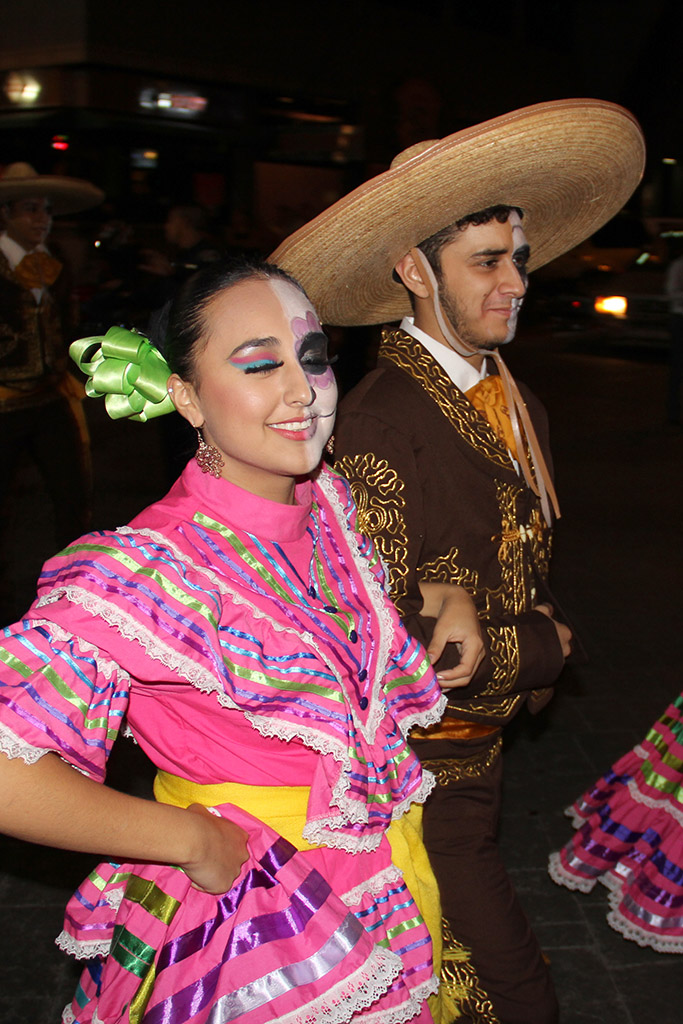
This is the season of fiestas, regional pride, and harvest energy, including events tied to food, music, and local identity. The desert is still warm, but no longer overwhelming, and the Sierra begins to cool.
Fall is also a great time for scenic drives, photography, and historic pueblo visits.
Best for: road trips, cultural festivals, comfortable outdoor travel
Featured experiences: pueblo fiestas, harvest season, desert sunsets, mountain cool-down
Winter in Sonora
Winter (December–February): Holidays, Desert Sun, and Deep Tradition
Winter in Sonora is mild by most standards, especially for travelers coming from colder climates. Days are often sunny and pleasant, while evenings can be cool, especially in the mountains.
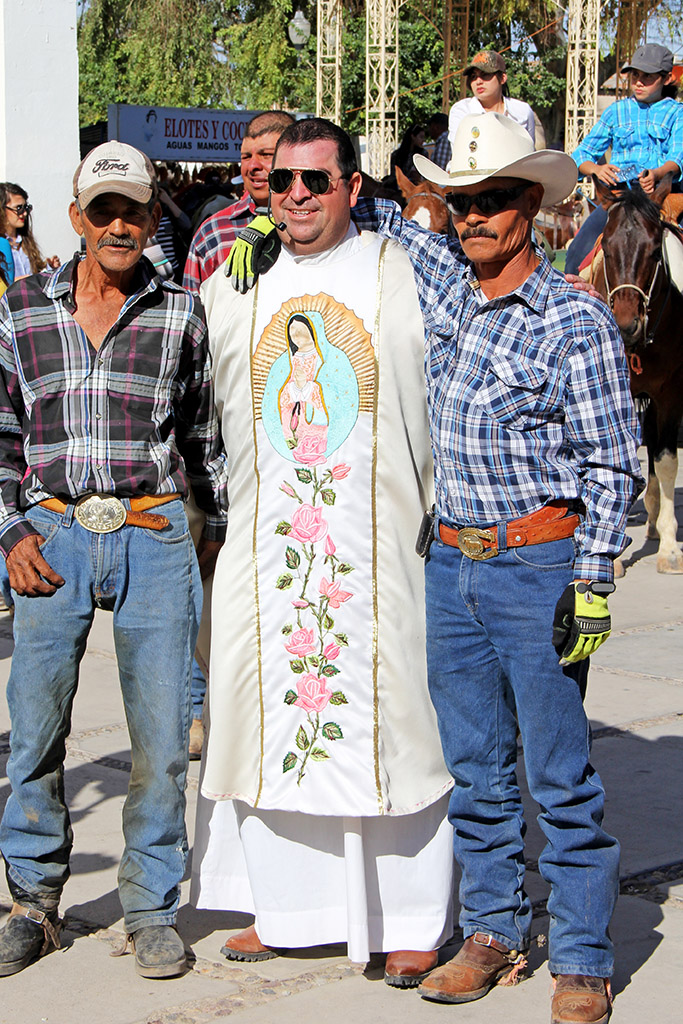
The winter season includes Mexico’s most important holiday traditions, from the Guadalupe celebrations and Christmas season to Día de Reyes and Día de la Candelaria.
By late winter, Sonora begins transitioning into Carnaval and Lent, one of the most culturally distinctive seasonal shifts in northern Mexico.
Best for: holiday travel, comfortable desert exploring, cultural traditions
Featured events: Christmas season, Día de Reyes, Carnaval, beginning of Lenten traditions