Annual Amapa Blooms
Sonora’s “Northern Jacaranda”
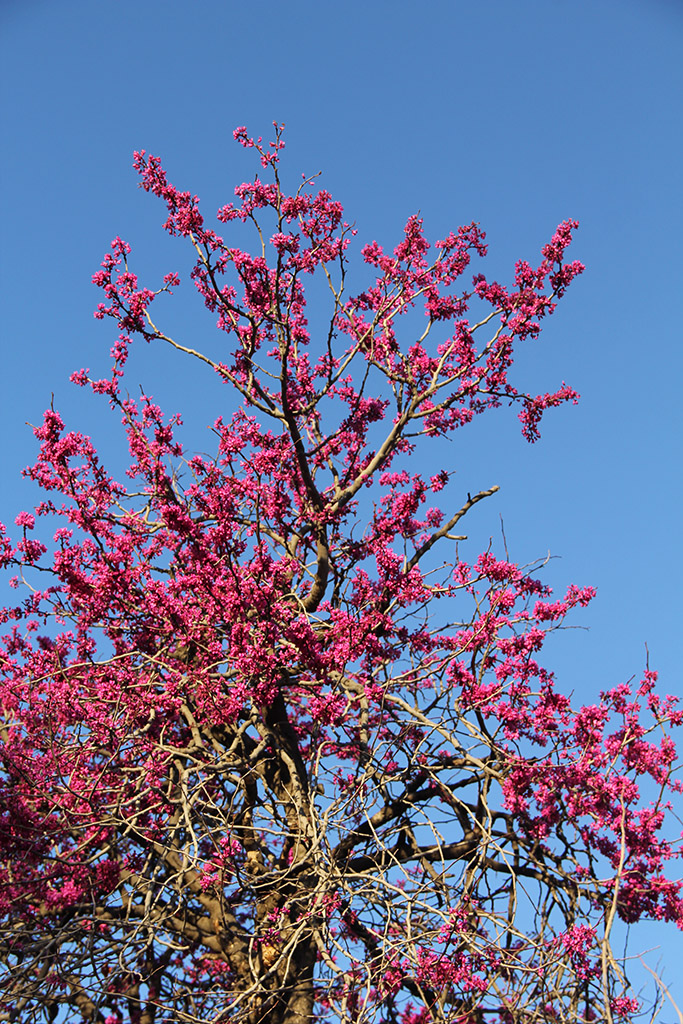
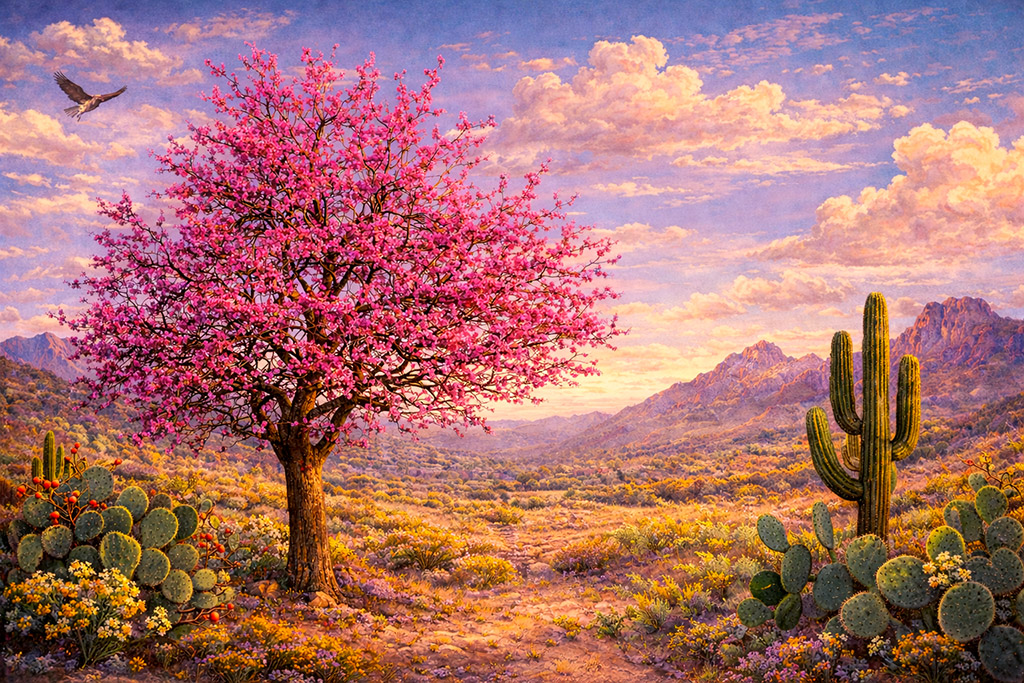
Something quietly magical to welcome Spring has started in the Sonoran Desert, trees bursting with soft pink, white, and golden-yellow blooms.
They are amapa trees, a native desert species sometimes called “the northern jacaranda” as a Sonoran counterpart to the purple jacarandas that brighten central Mexico.
Amapas have long been recommended as one of the best urban trees for Sonoran cities, because they offer shade, grow relatively quickly, and are well-suited for narrow sidewalks and small spaces. Unlike some larger species, it typically does not lift pavement or create heavy leaf litter, making it a practical and beautiful choice for urban neighborhoods.
Caring for amapas’ is relatively simple. The tree begins to bloom in February, and its seeds can be collected for propagation in March and April. The tree’s deep taproot is one of its strengths. If watered properly during its early years, its roots learn to reach underground moisture and eventually it will require far less routine watering.
Amapa and palo verde are two of the most visible native bloomers of late winter in Sonora, and their seasonal colors are one of the most underrated reasons to explore Sonora during this time of year.
For Hermosillo residents, Amapa trees can often be obtained through donation programs at Hermosillo’s municipal nursery or at the CEDES nursery at the Centro Ecológico, where residents can receive up to five trees with valid identification.